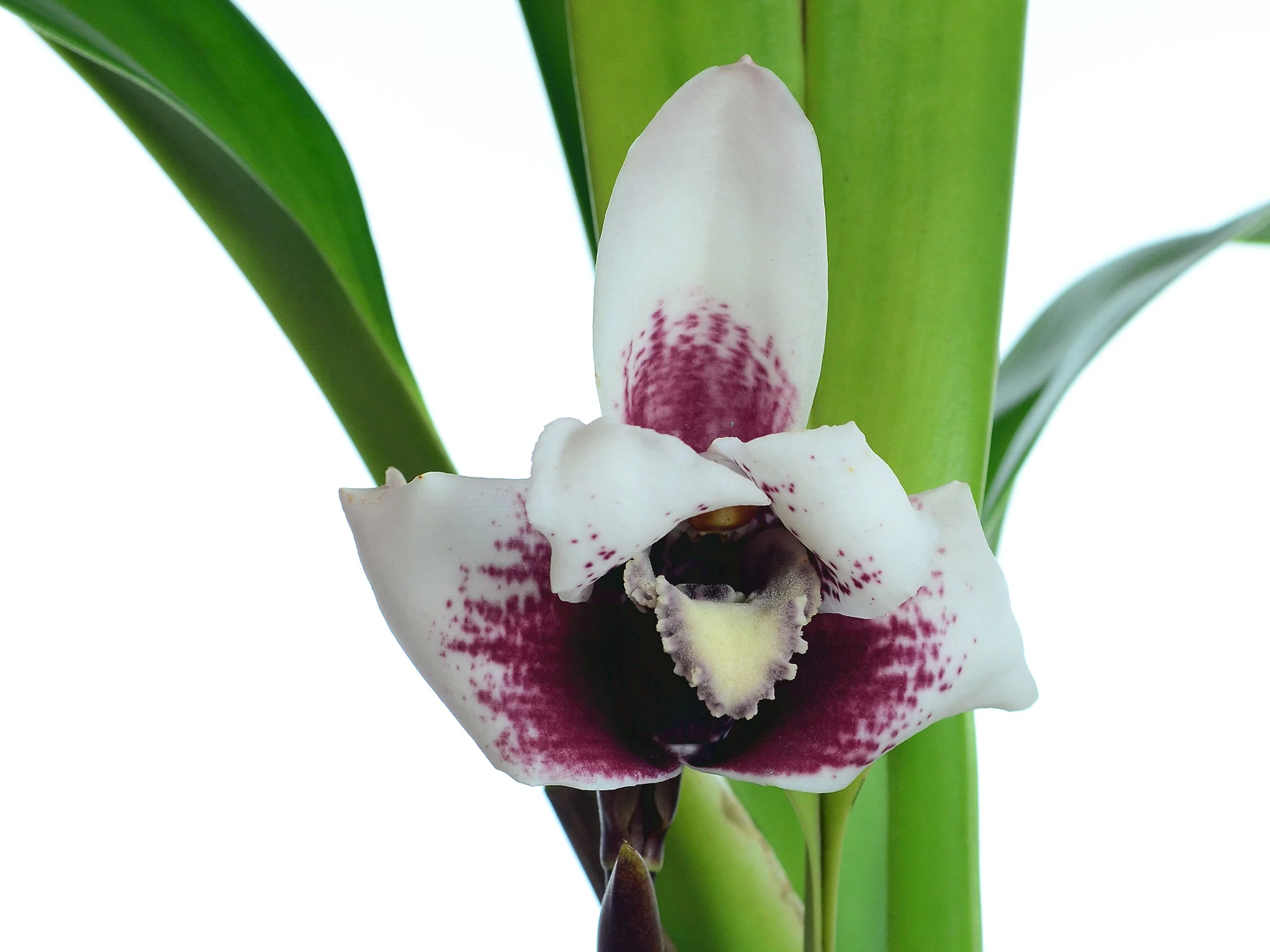
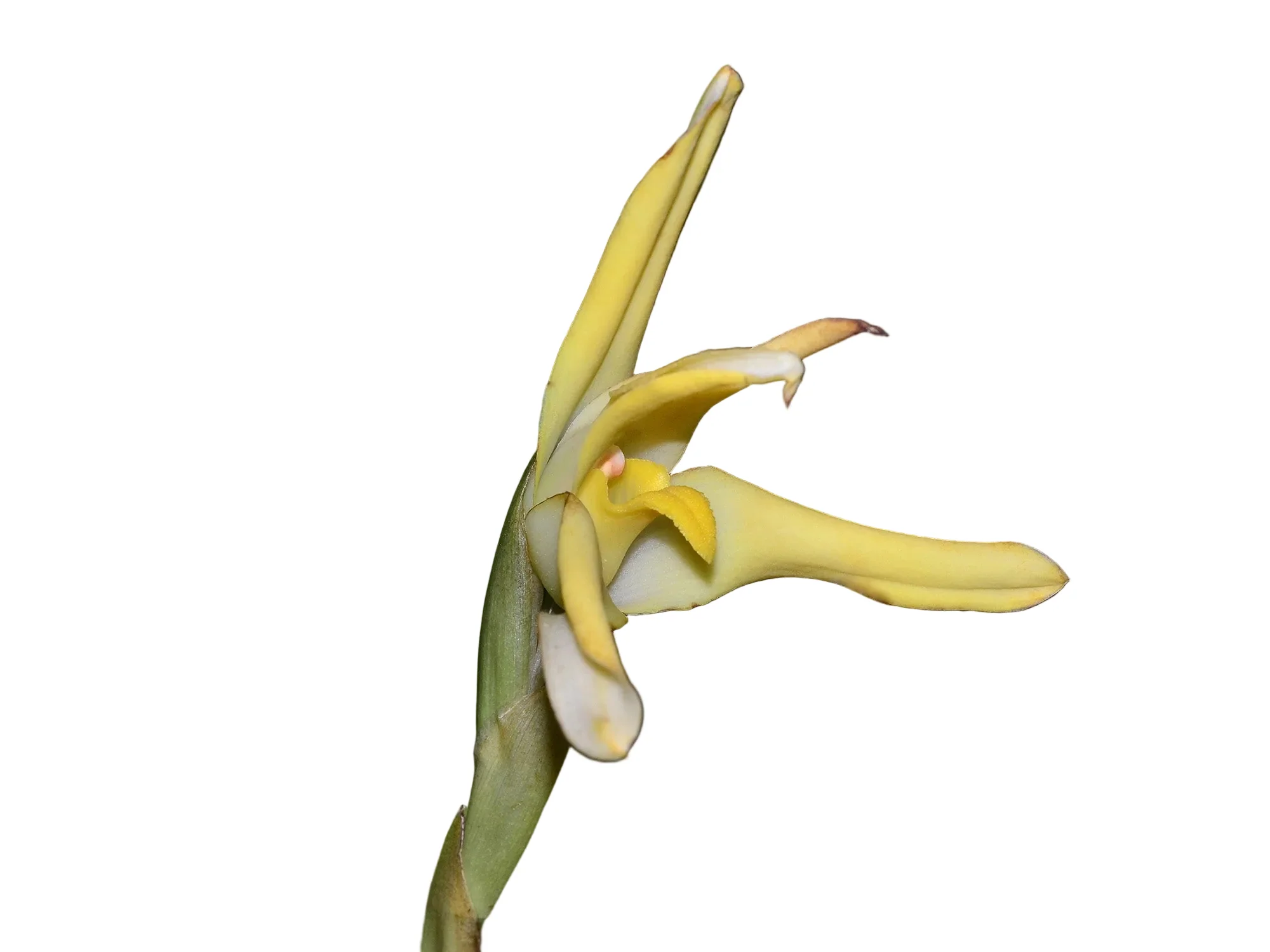
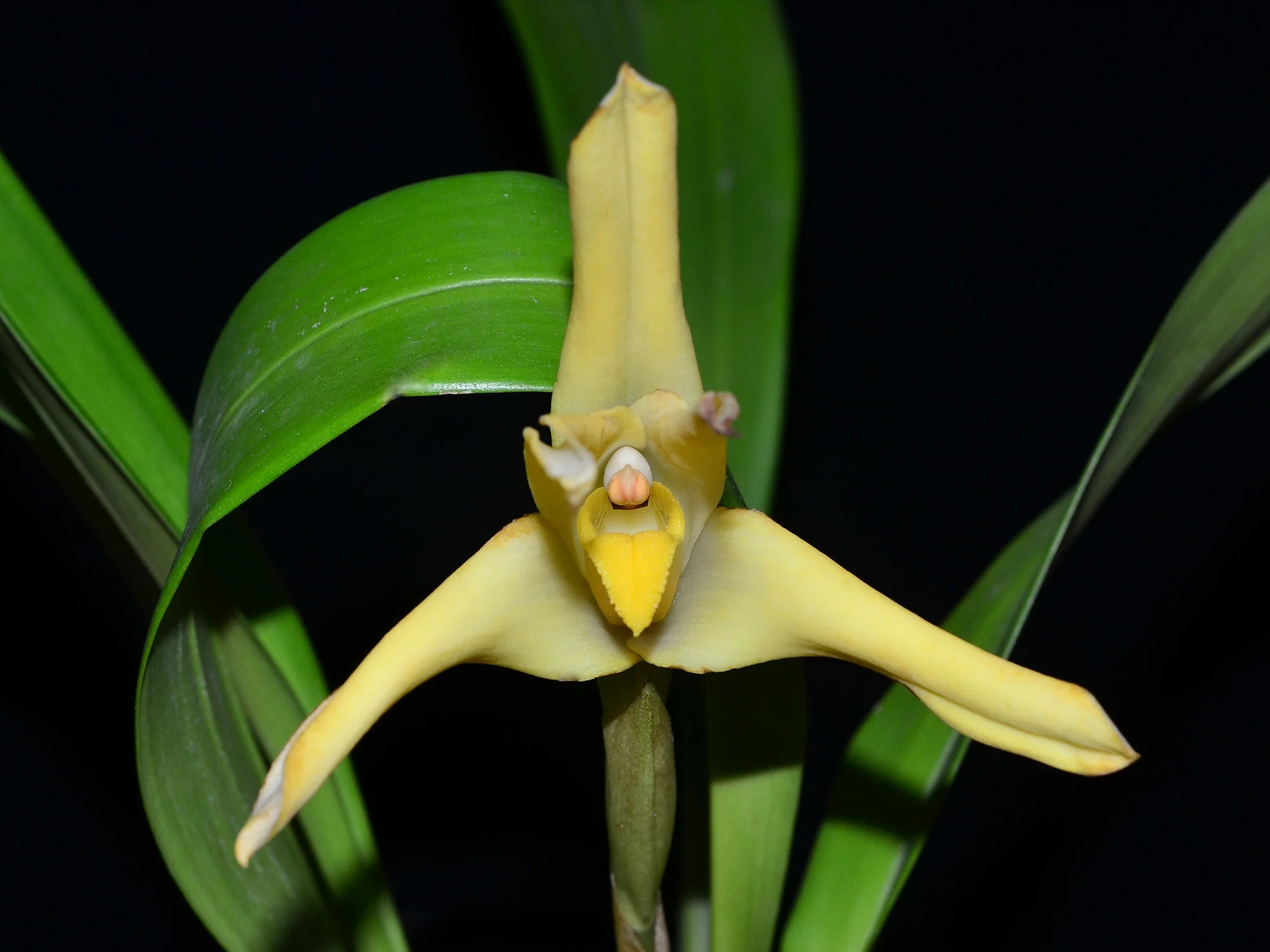
Acineta antioquiae
Acineta antioquiae Culture
Successful cultivation of the captivating Acineta antioquiae. Here are some important cultural tips to ensure its thriving growth:
- Light: Acineta antioquiae thrives in bright, indirect light. Avoid direct sunlight, which can scorch its leaves.
- Temperature: To mimic its natural habitat, aim for daytime temperatures between 18-24°C (65-75°F) and cooler nights around 10-15°C (50-59°F).
- Humidity: Keep humidity levels high at 60-80% to ensure optimal growth and flower production. Consider using humidifiers or trays to achieve this.
- Watering: Maintain a consistently moist but well-draining environment. Water regularly, allowing the substrate to dry slightly between waterings.
- Substrate: Utilize a well-draining substrate such as a mix of bark chips, perlite, and sphagnum moss to provide good aeration for the roots.
Acineta antioquiae Culture
Successful cultivation of the captivating Acineta antioquiae. Here are some important cultural tips to ensure its thriving growth:
- Light: Acineta antioquiae thrives in bright, indirect light. Avoid direct sunlight, which can scorch its leaves.
- Temperature: To mimic its natural habitat, aim for daytime temperatures between 18-24°C (65-75°F) and cooler nights around 10-15°C (50-59°F).
- Humidity: Keep humidity levels high at 60-80% to ensure optimal growth and flower production. Consider using humidifiers or trays to achieve this.
- Watering: Maintain a consistently moist but well-draining environment. Water regularly, allowing the substrate to dry slightly between waterings.
- Substrate: Utilize a well-draining substrate such as a mix of bark chips, perlite, and sphagnum moss to provide good aeration for the roots.
$14.70
Original: $42.00
-65%Acineta antioquiae—
$42.00
$14.70Description
Acineta antioquiae Culture
Successful cultivation of the captivating Acineta antioquiae. Here are some important cultural tips to ensure its thriving growth:
- Light: Acineta antioquiae thrives in bright, indirect light. Avoid direct sunlight, which can scorch its leaves.
- Temperature: To mimic its natural habitat, aim for daytime temperatures between 18-24°C (65-75°F) and cooler nights around 10-15°C (50-59°F).
- Humidity: Keep humidity levels high at 60-80% to ensure optimal growth and flower production. Consider using humidifiers or trays to achieve this.
- Watering: Maintain a consistently moist but well-draining environment. Water regularly, allowing the substrate to dry slightly between waterings.
- Substrate: Utilize a well-draining substrate such as a mix of bark chips, perlite, and sphagnum moss to provide good aeration for the roots.