Maxillaria azulensis
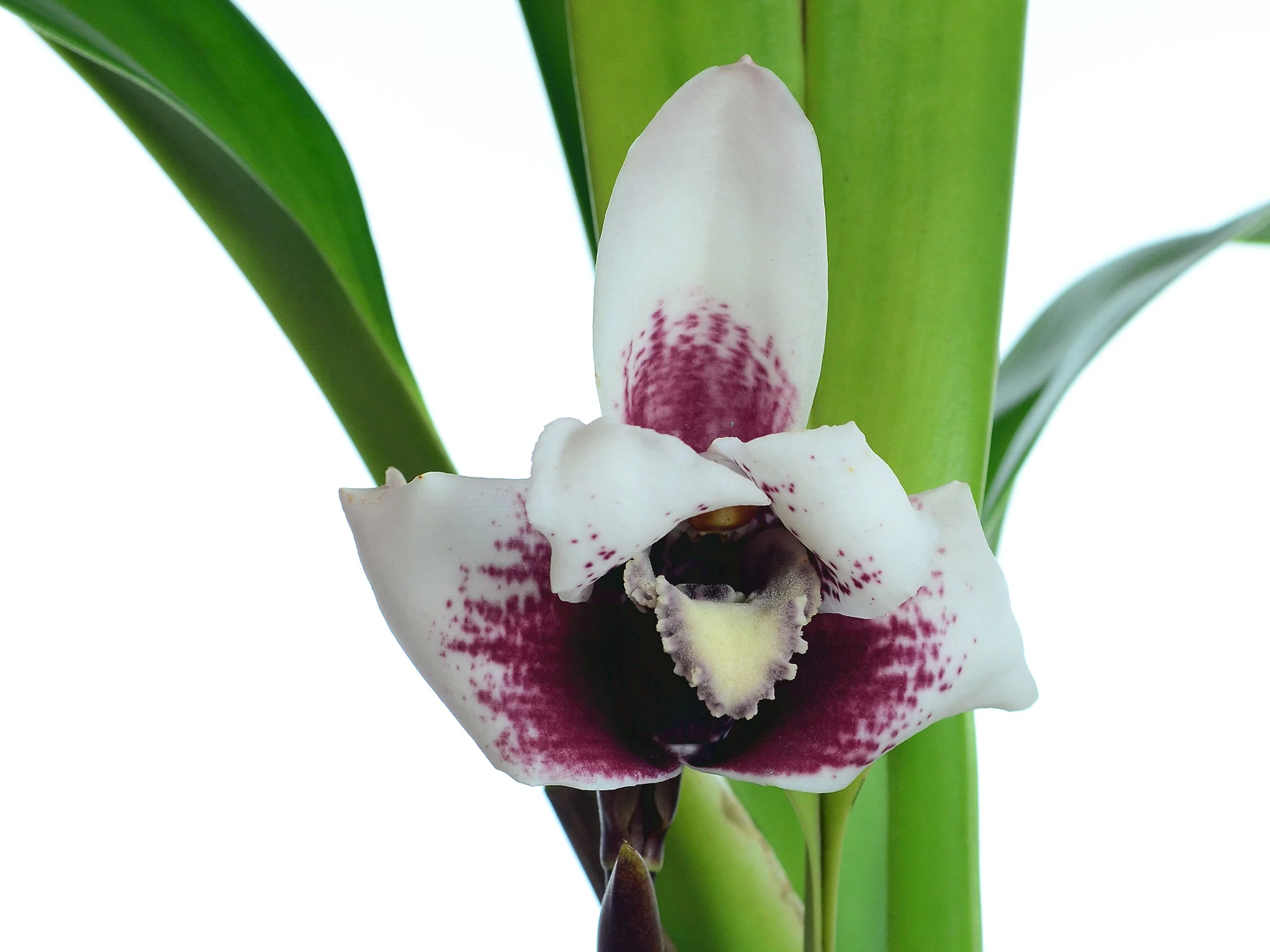
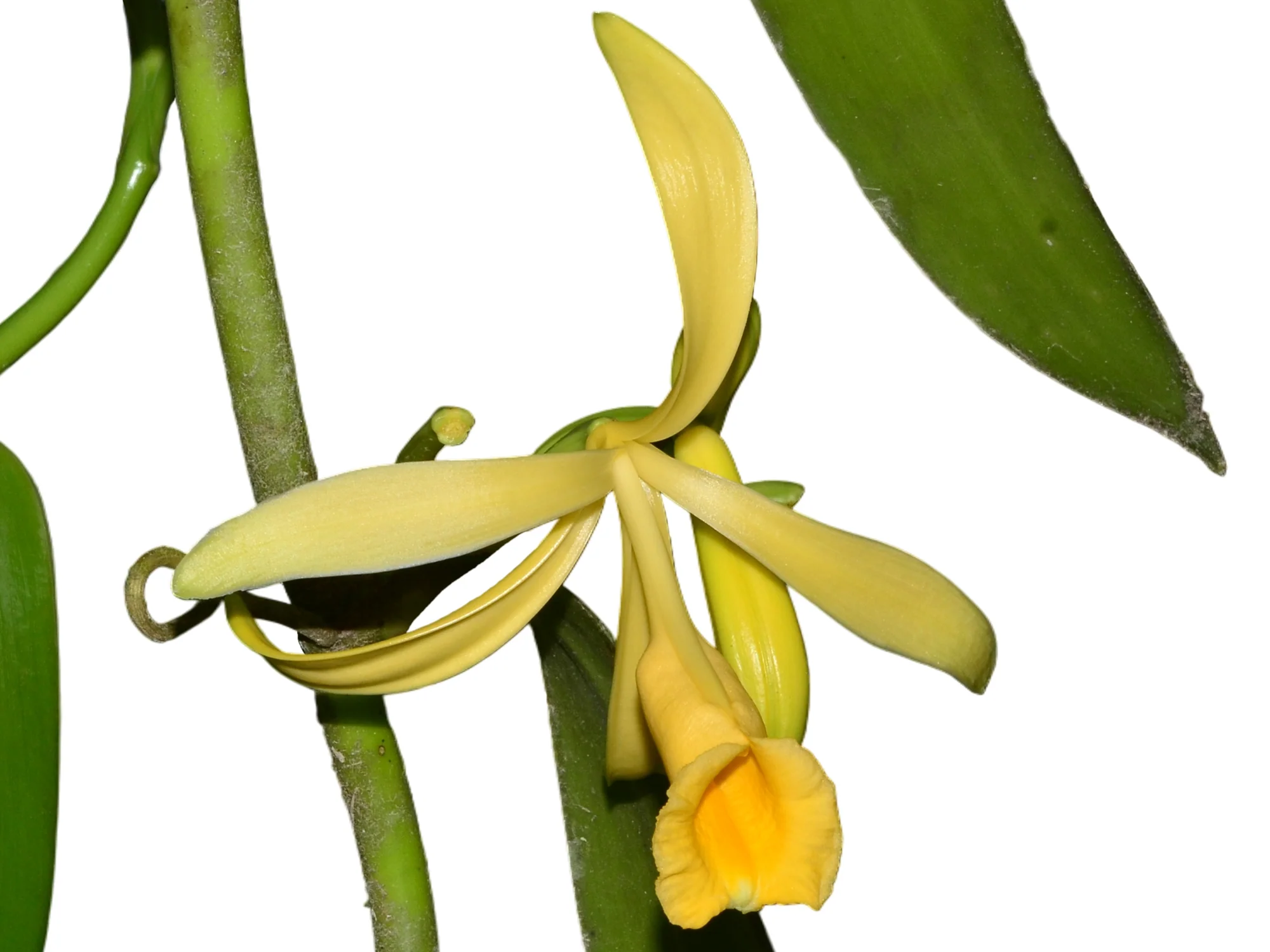
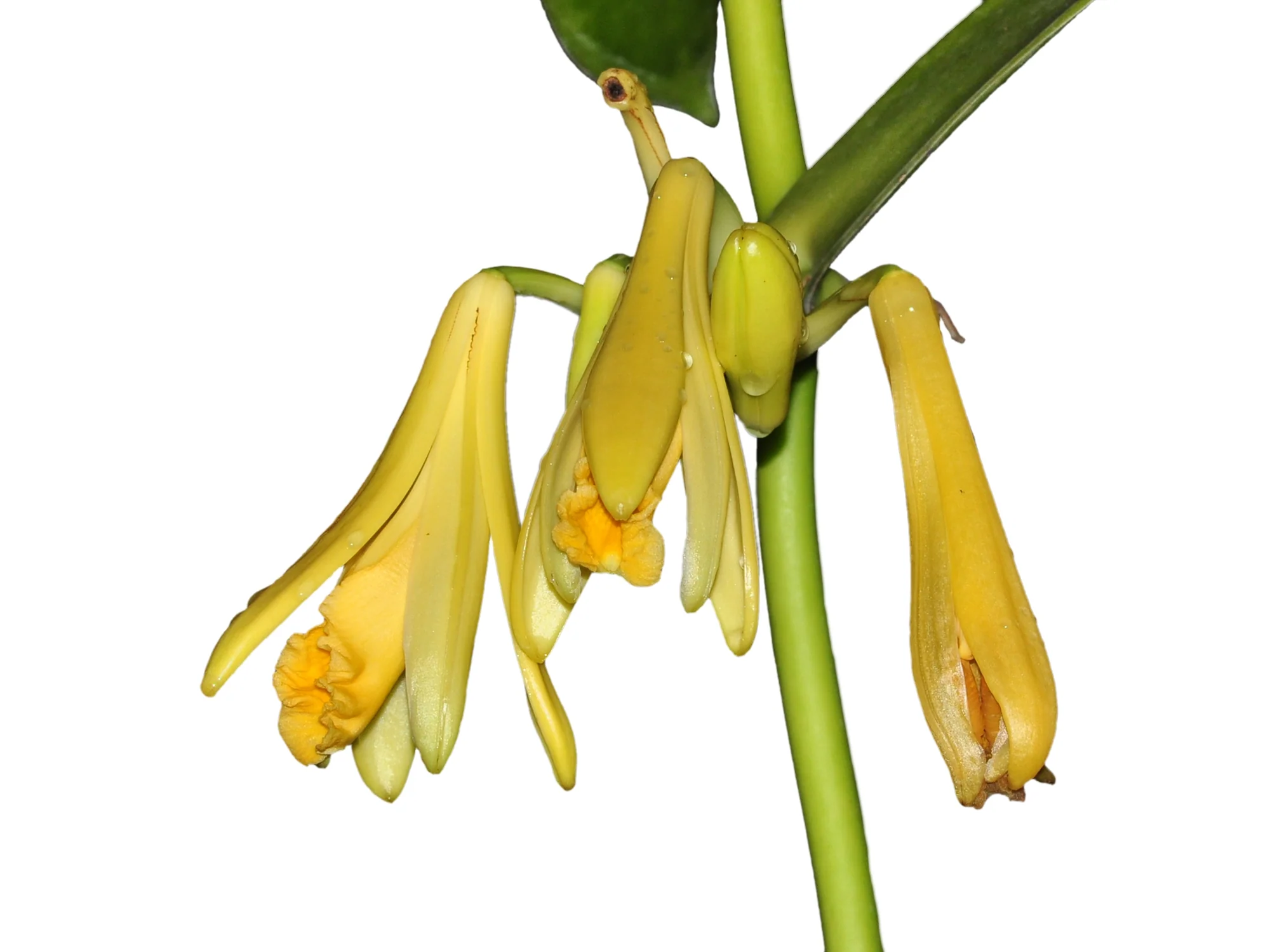
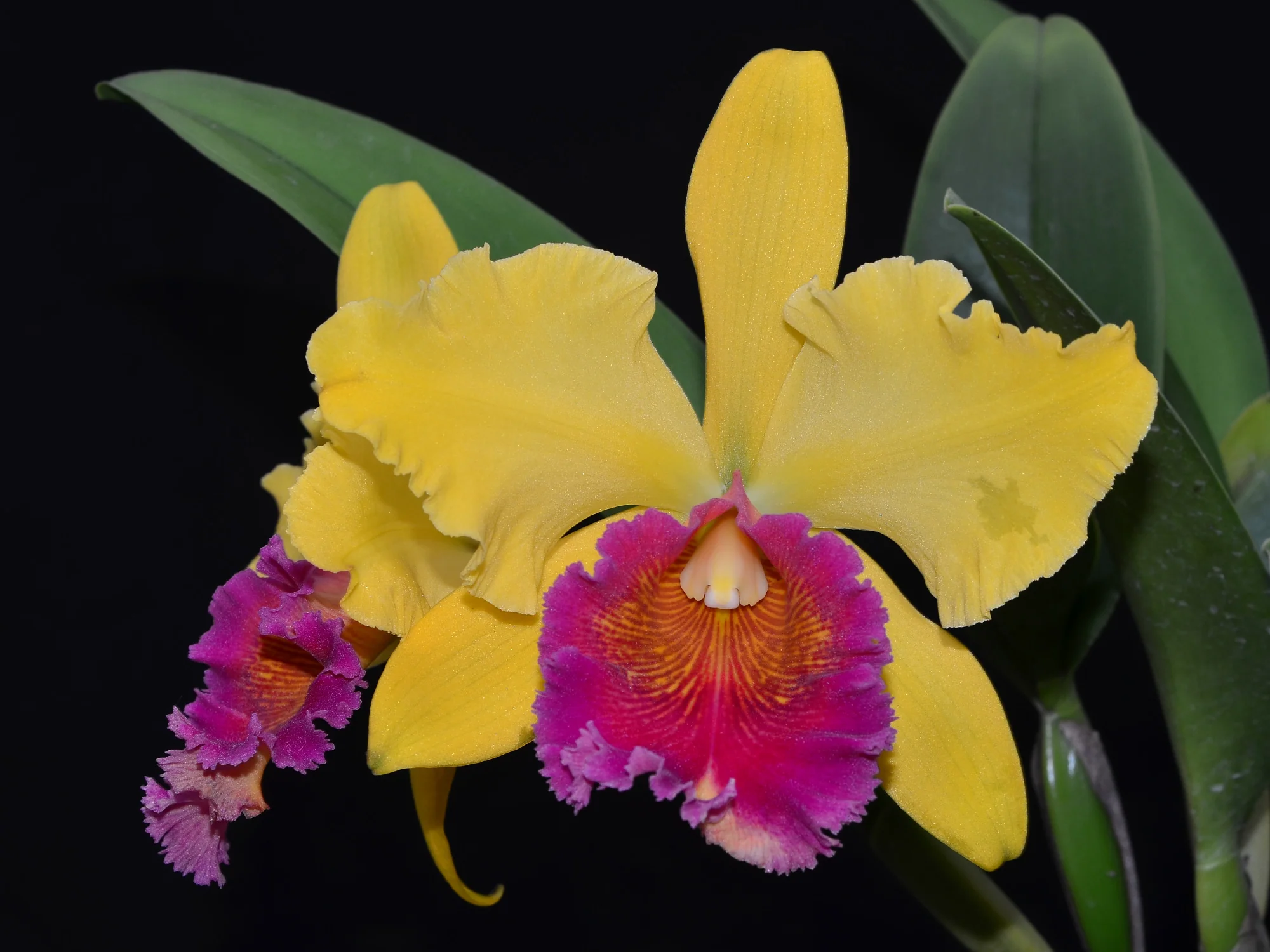
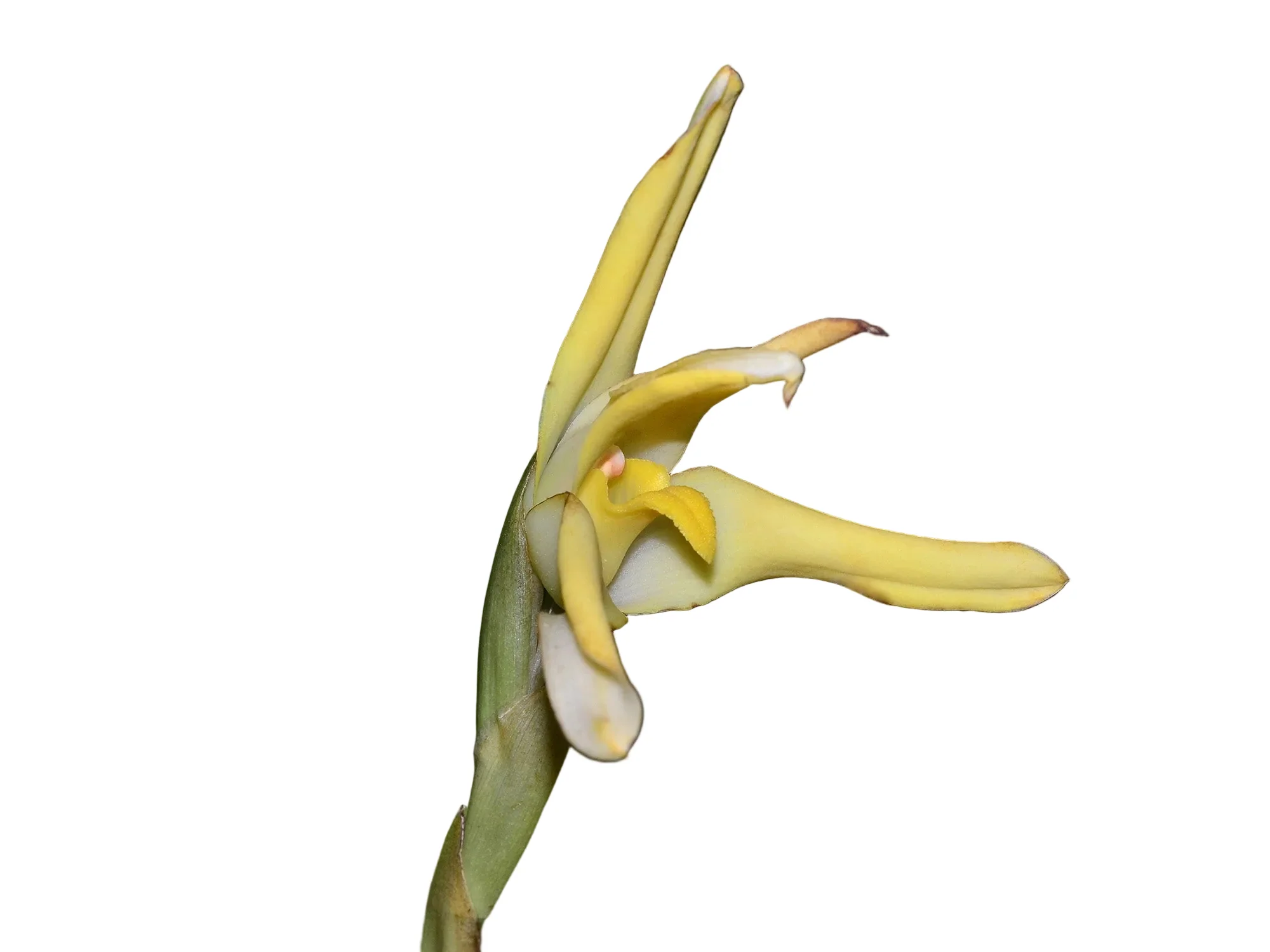
An elegant epiphyte from the Andean cloud forests, producing solitary flowers with a tall, erect dorsal sepal, horizontally spreading lateral sepals, and a trilobed lip with a vivid midlobe. Known for its pleasant fragrance, making it a rewarding addition to any intermediate collection.
- Light: Bright indirect light with 50–70% shade cloth; avoid direct sun exposure.
- Temperature: 55–72°F (13–22°C); an intermediate grower that appreciates stable conditions with good air circulation.
- Humidity: 60–80%; consistent humidity supports healthy growth and reliable blooming.
- Watering: Water thoroughly and allow the mix to approach dryness between waterings; avoid prolonged saturation at the roots.
Additional Notes
Ships bare root and well-established — pot promptly upon arrival in fine bark mix and water generously to rehydrate the roots. Best grown in a small pot with good drainage.
An elegant epiphyte from the Andean cloud forests, producing solitary flowers with a tall, erect dorsal sepal, horizontally spreading lateral sepals, and a trilobed lip with a vivid midlobe. Known for its pleasant fragrance, making it a rewarding addition to any intermediate collection.
- Light: Bright indirect light with 50–70% shade cloth; avoid direct sun exposure.
- Temperature: 55–72°F (13–22°C); an intermediate grower that appreciates stable conditions with good air circulation.
- Humidity: 60–80%; consistent humidity supports healthy growth and reliable blooming.
- Watering: Water thoroughly and allow the mix to approach dryness between waterings; avoid prolonged saturation at the roots.
Additional Notes
Ships bare root and well-established — pot promptly upon arrival in fine bark mix and water generously to rehydrate the roots. Best grown in a small pot with good drainage.
Description
An elegant epiphyte from the Andean cloud forests, producing solitary flowers with a tall, erect dorsal sepal, horizontally spreading lateral sepals, and a trilobed lip with a vivid midlobe. Known for its pleasant fragrance, making it a rewarding addition to any intermediate collection.
- Light: Bright indirect light with 50–70% shade cloth; avoid direct sun exposure.
- Temperature: 55–72°F (13–22°C); an intermediate grower that appreciates stable conditions with good air circulation.
- Humidity: 60–80%; consistent humidity supports healthy growth and reliable blooming.
- Watering: Water thoroughly and allow the mix to approach dryness between waterings; avoid prolonged saturation at the roots.
Additional Notes
Ships bare root and well-established — pot promptly upon arrival in fine bark mix and water generously to rehydrate the roots. Best grown in a small pot with good drainage.