Acianthera polystachya
Successful cultivation of Acianthera polystachya requires attention to the following aspects:
- Light: Prefers shaded to semi-shaded conditions. Avoid direct sunlight.
- Temperature: Intermediate to warm growing. Aim for daytime temperatures around 20-27°C (68-81°F) and slightly cooler nighttime temperatures between 15-21°C (59-70°F).
- Humidity: Requires high humidity levels, ideally between 70-85%.
- Watering: Keep the substrate consistently moist, but avoid overwatering which can lead to root rot. Ensure the potting mix is well-draining.
- Substrate: Prefers a fine to medium-grade, well-draining substrate such as bark mix, tree fern fiber, sphagnum moss, or a combination thereof. It can be grown mounted, especially smaller forms, provided high humidity is maintained.
Additional Notes:
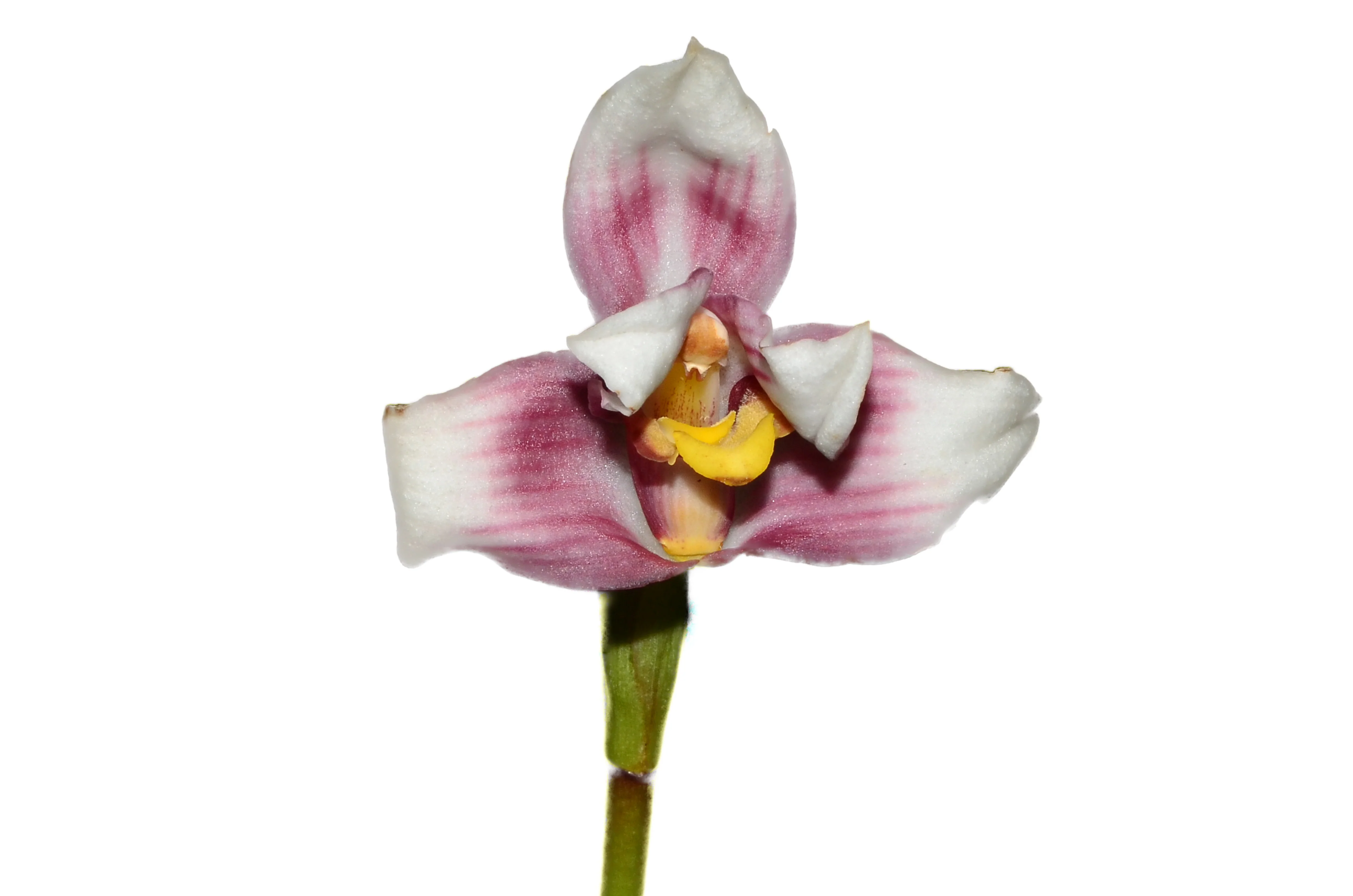
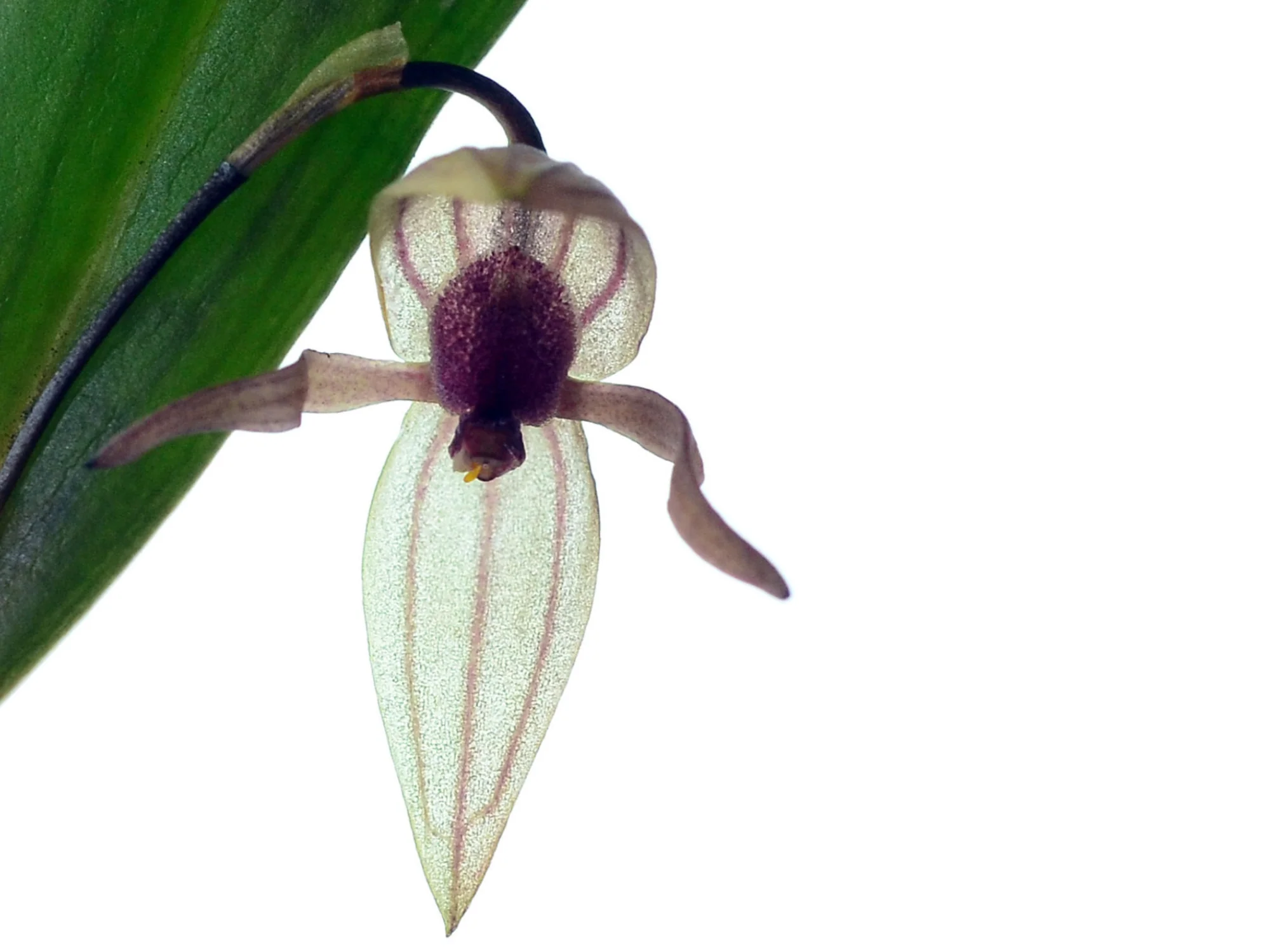
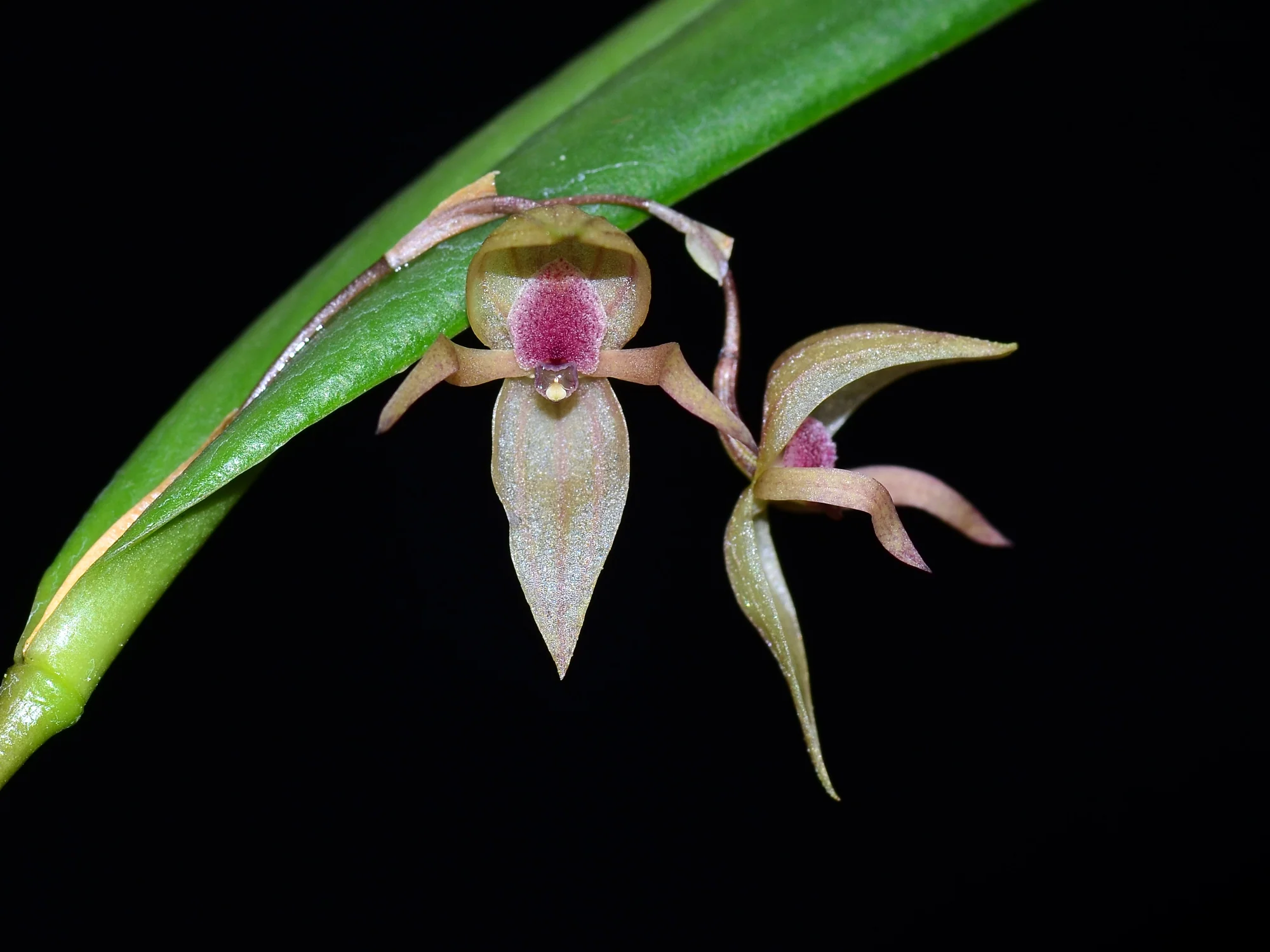
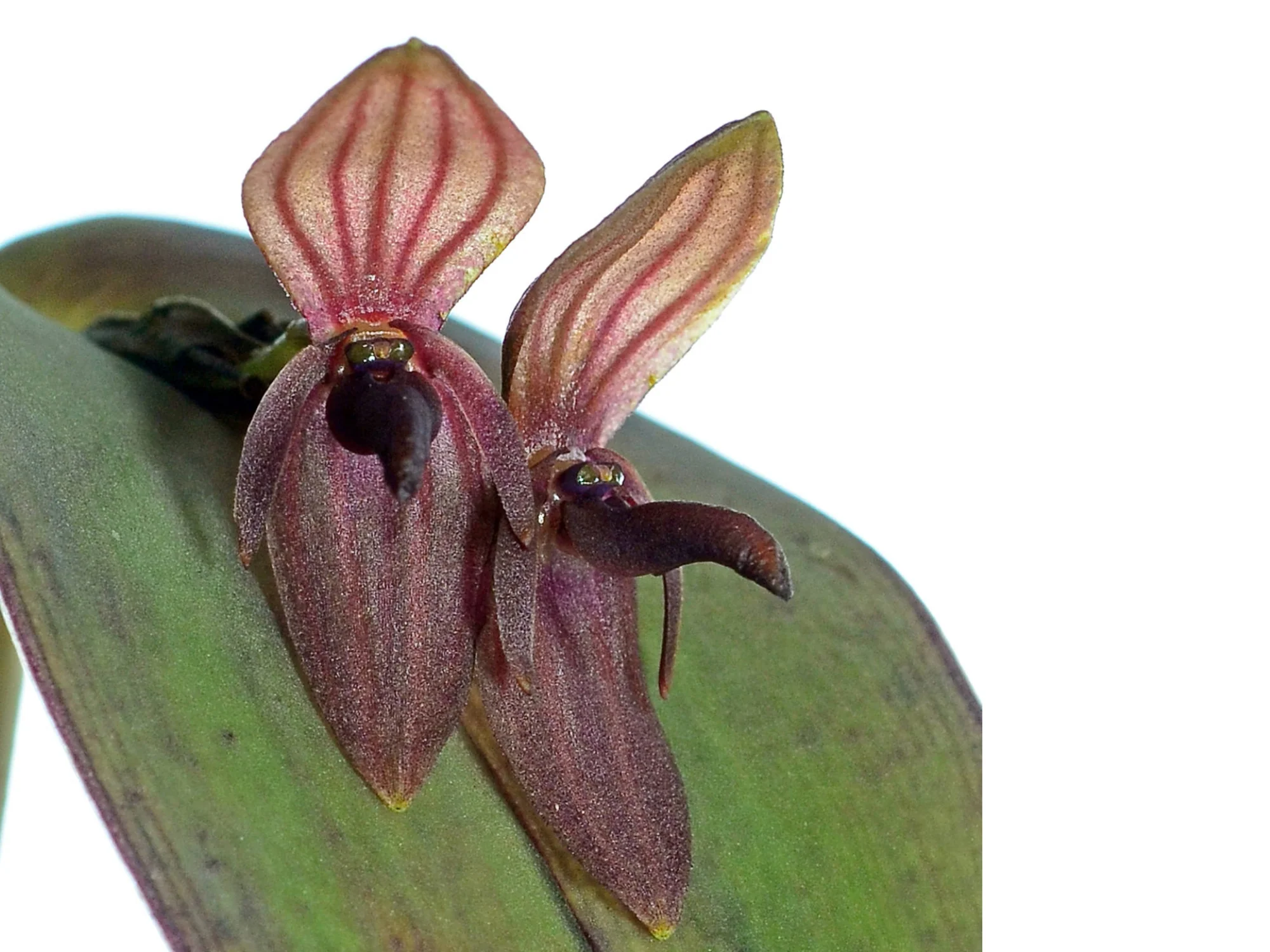
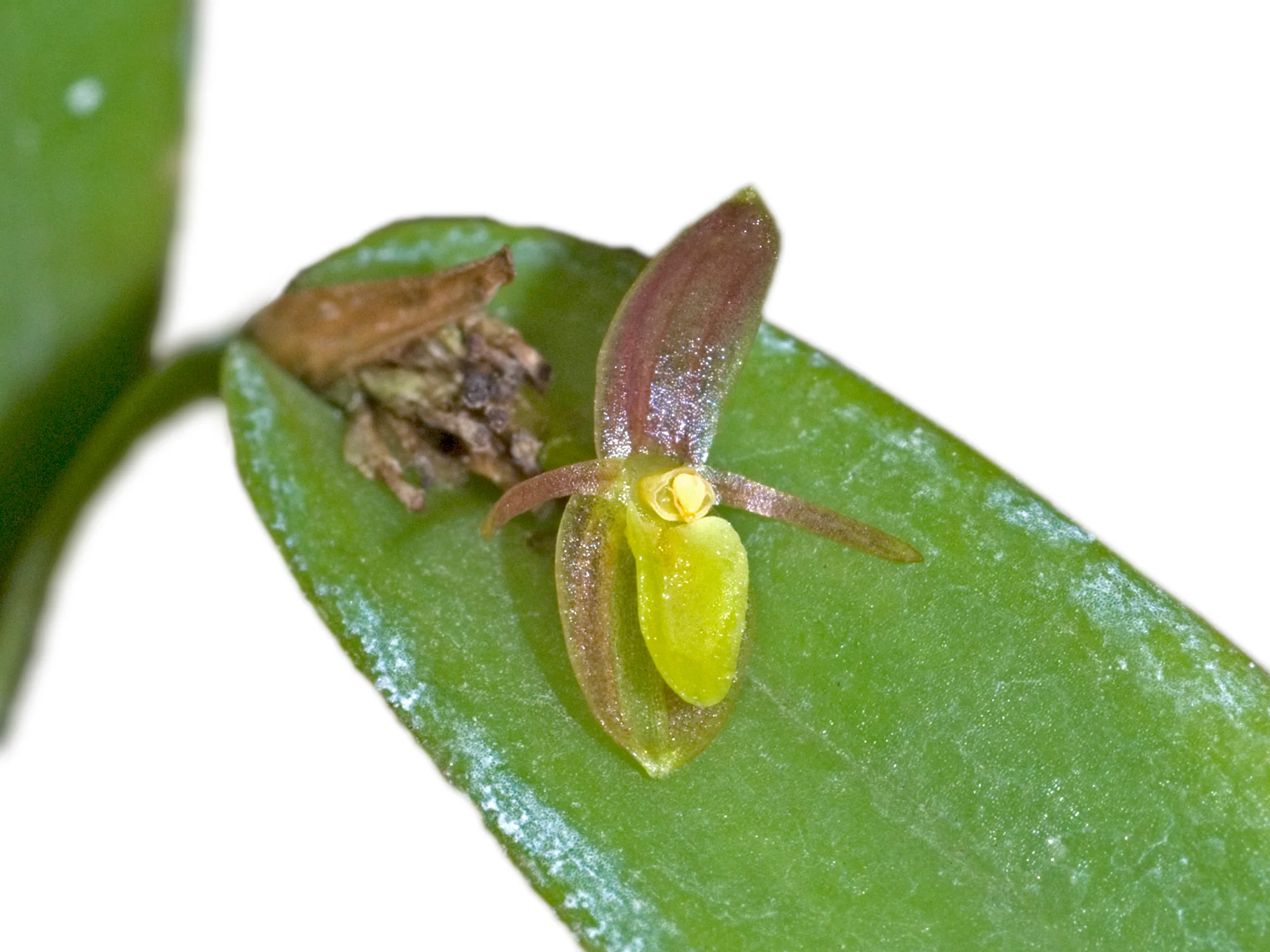
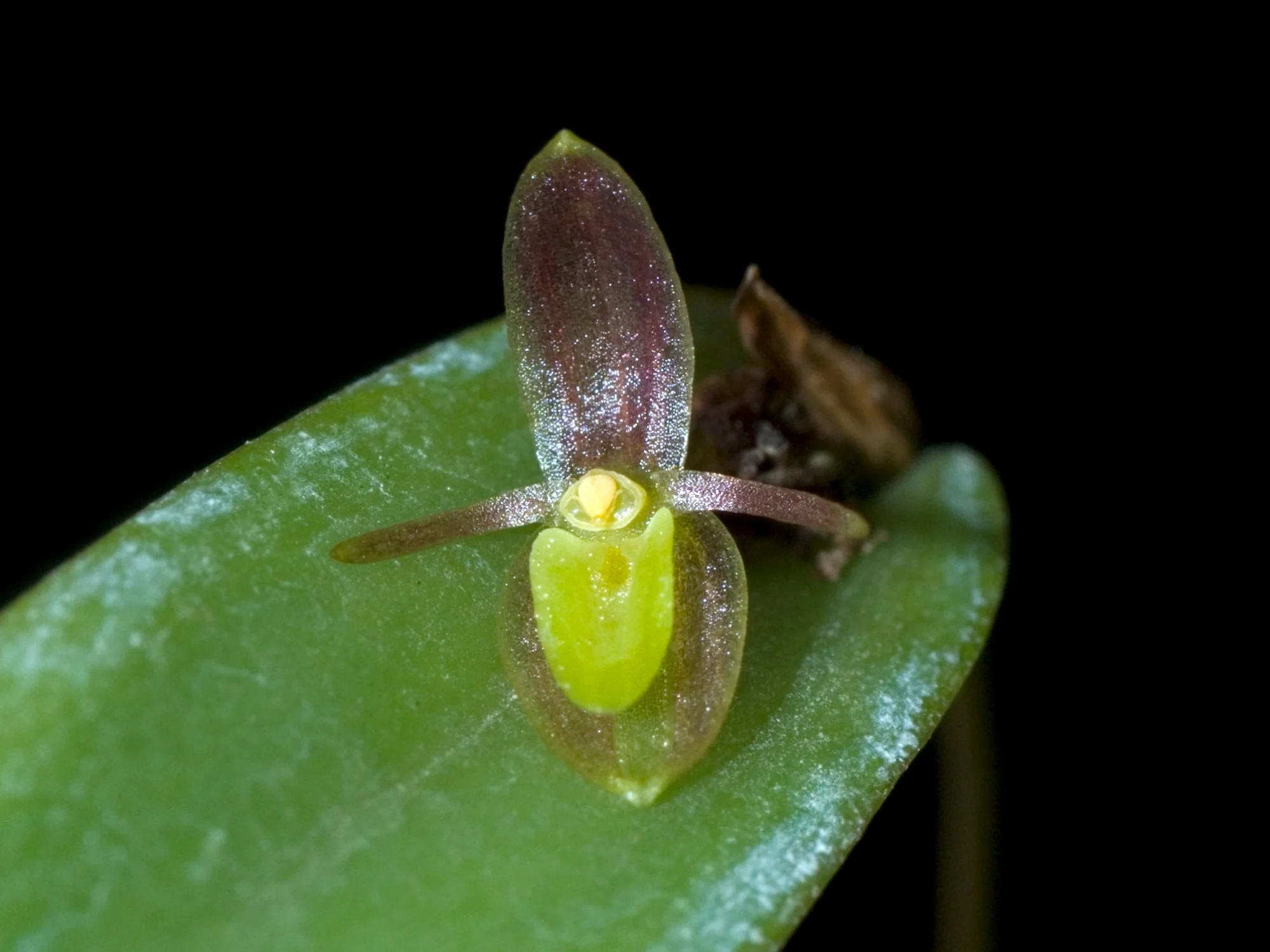
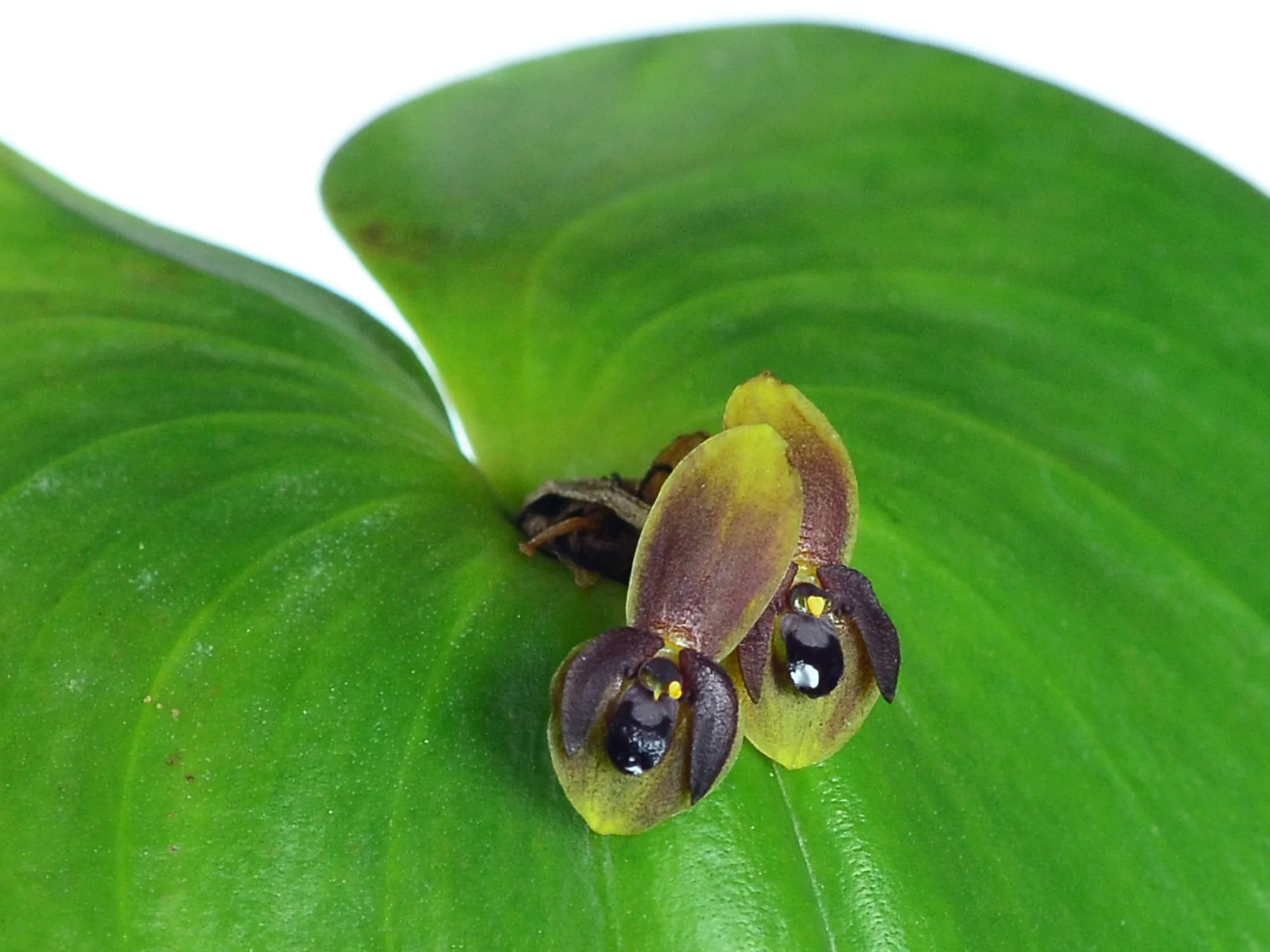
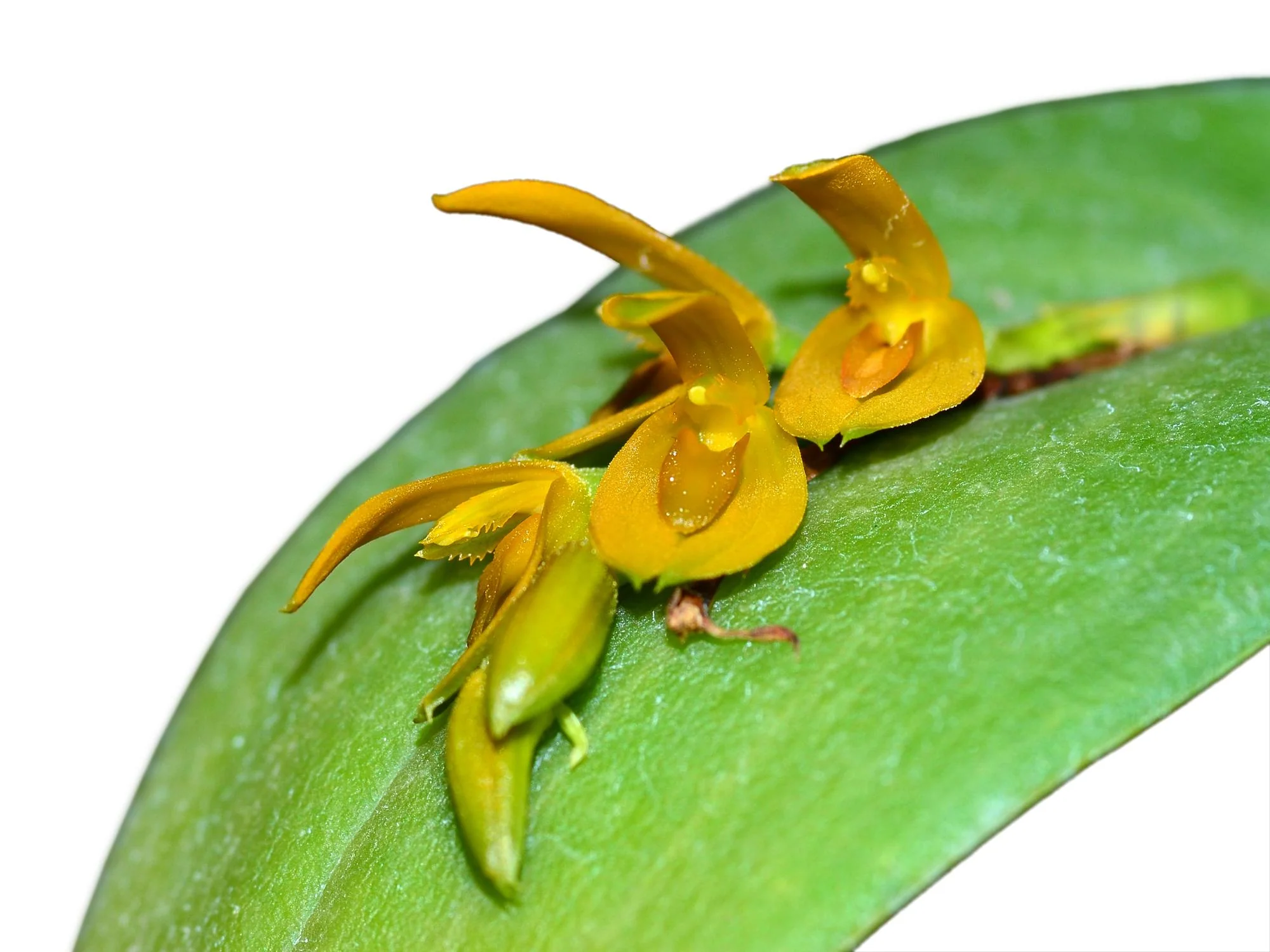
The inflorescence is typically a congested, multi-flowered raceme (hence the name "polystachya" meaning "many spikes") that arises from the apex of the ramicaul. The flowers are usually small and can vary in color depending on the form.
Successful cultivation of Acianthera polystachya requires attention to the following aspects:
- Light: Prefers shaded to semi-shaded conditions. Avoid direct sunlight.
- Temperature: Intermediate to warm growing. Aim for daytime temperatures around 20-27°C (68-81°F) and slightly cooler nighttime temperatures between 15-21°C (59-70°F).
- Humidity: Requires high humidity levels, ideally between 70-85%.
- Watering: Keep the substrate consistently moist, but avoid overwatering which can lead to root rot. Ensure the potting mix is well-draining.
- Substrate: Prefers a fine to medium-grade, well-draining substrate such as bark mix, tree fern fiber, sphagnum moss, or a combination thereof. It can be grown mounted, especially smaller forms, provided high humidity is maintained.
Additional Notes:
The inflorescence is typically a congested, multi-flowered raceme (hence the name "polystachya" meaning "many spikes") that arises from the apex of the ramicaul. The flowers are usually small and can vary in color depending on the form.
Description
Successful cultivation of Acianthera polystachya requires attention to the following aspects:
- Light: Prefers shaded to semi-shaded conditions. Avoid direct sunlight.
- Temperature: Intermediate to warm growing. Aim for daytime temperatures around 20-27°C (68-81°F) and slightly cooler nighttime temperatures between 15-21°C (59-70°F).
- Humidity: Requires high humidity levels, ideally between 70-85%.
- Watering: Keep the substrate consistently moist, but avoid overwatering which can lead to root rot. Ensure the potting mix is well-draining.
- Substrate: Prefers a fine to medium-grade, well-draining substrate such as bark mix, tree fern fiber, sphagnum moss, or a combination thereof. It can be grown mounted, especially smaller forms, provided high humidity is maintained.
Additional Notes:
The inflorescence is typically a congested, multi-flowered raceme (hence the name "polystachya" meaning "many spikes") that arises from the apex of the ramicaul. The flowers are usually small and can vary in color depending on the form.