Masdevallia lilacina
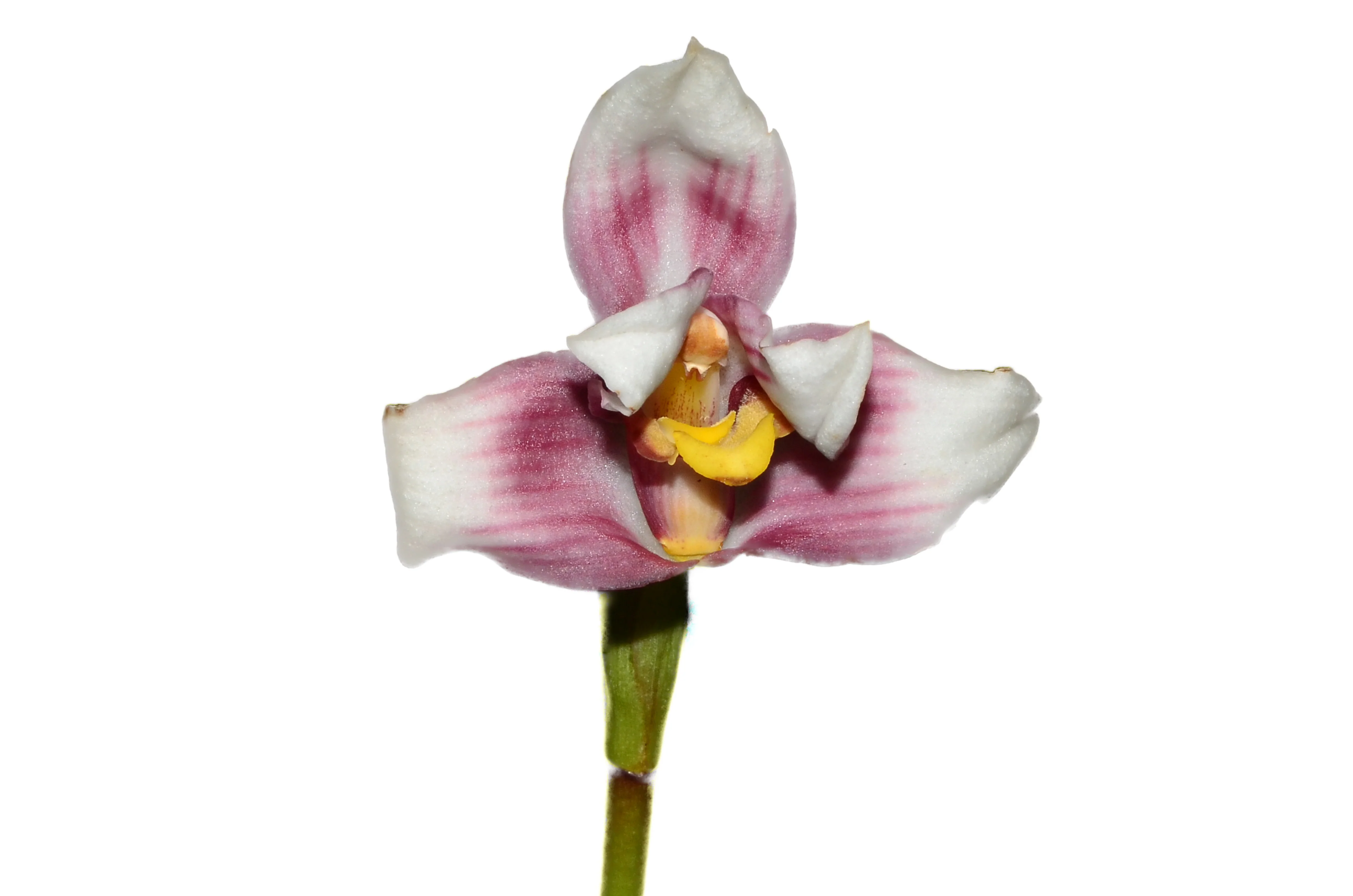
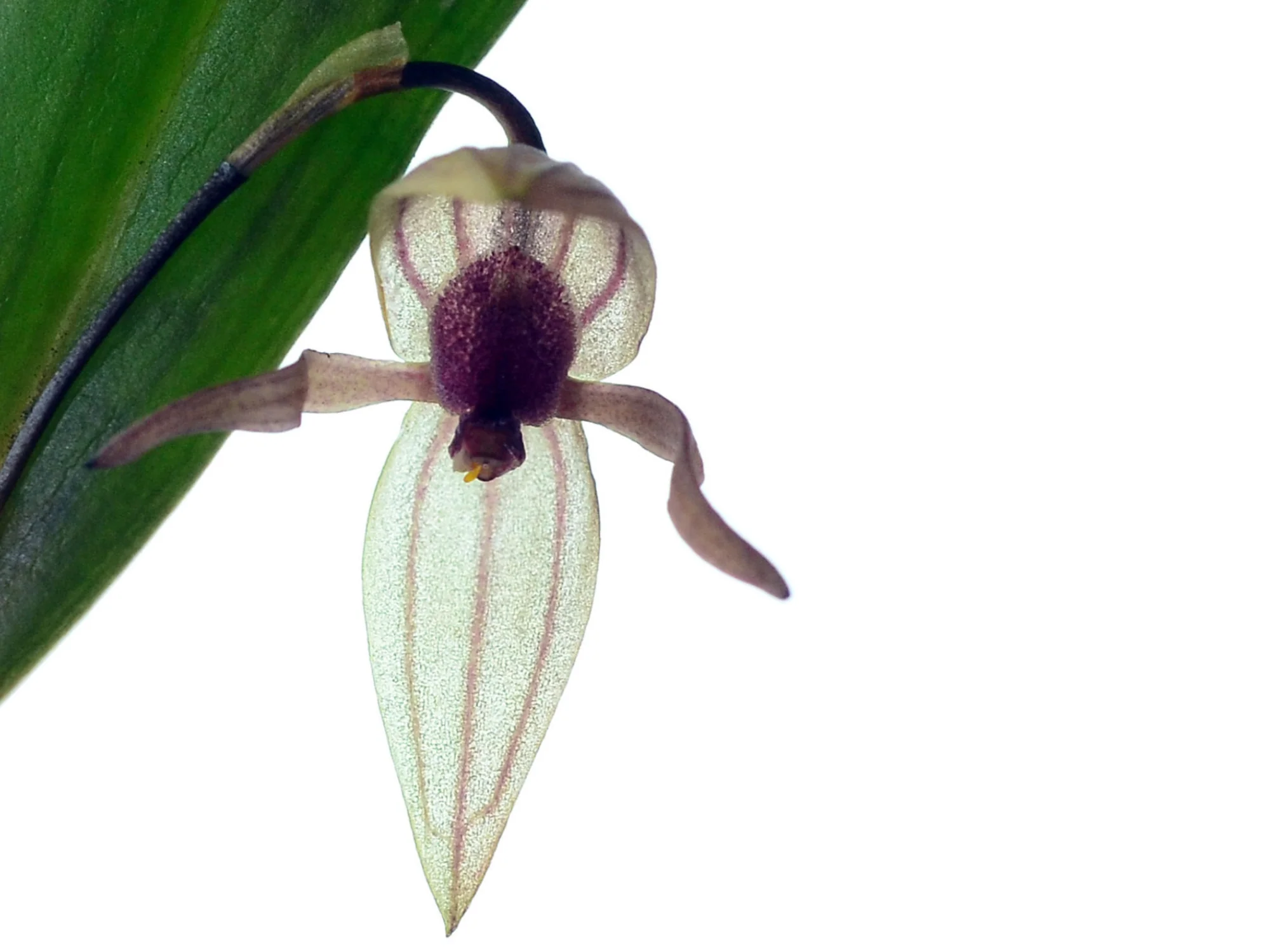
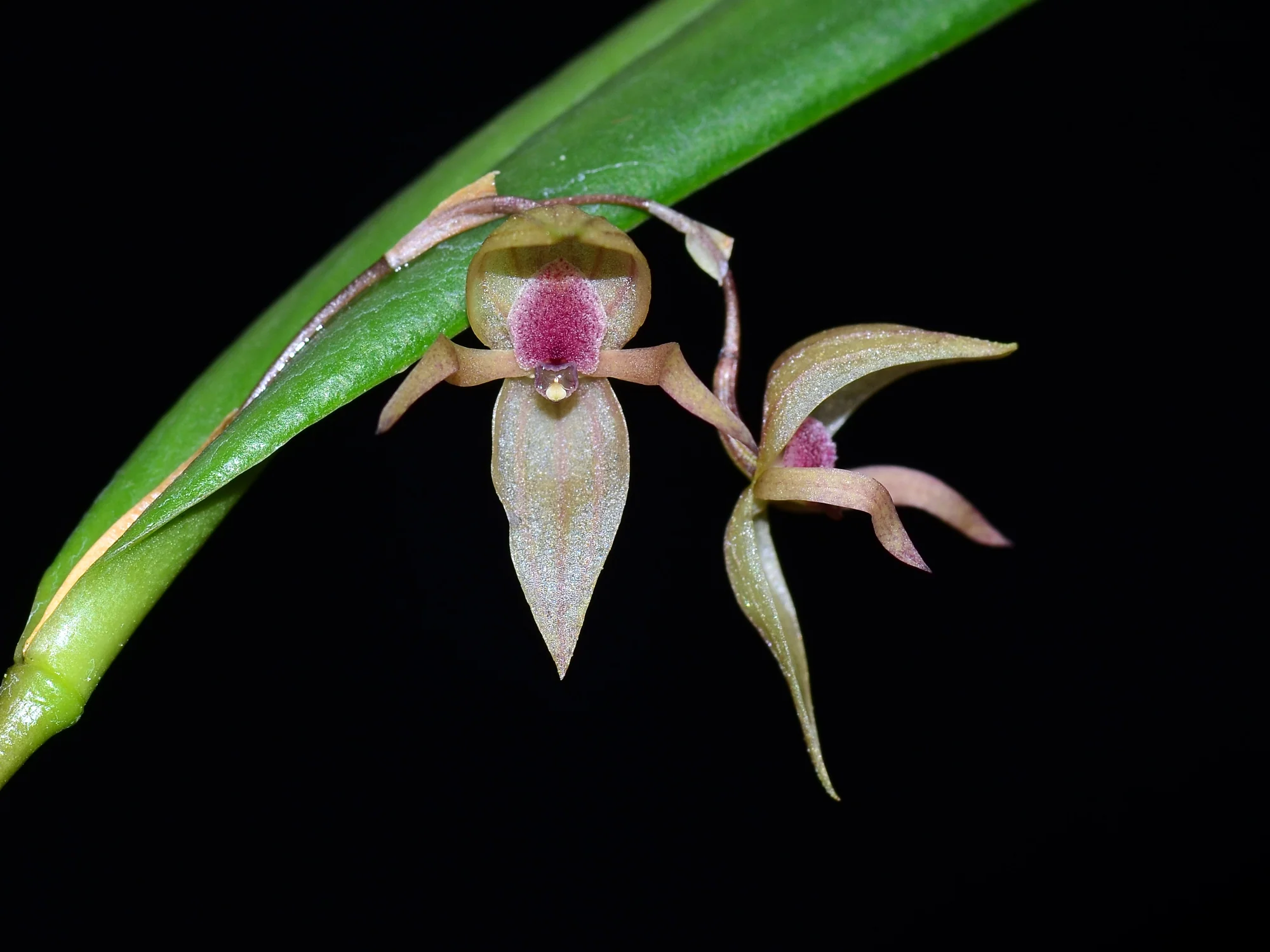
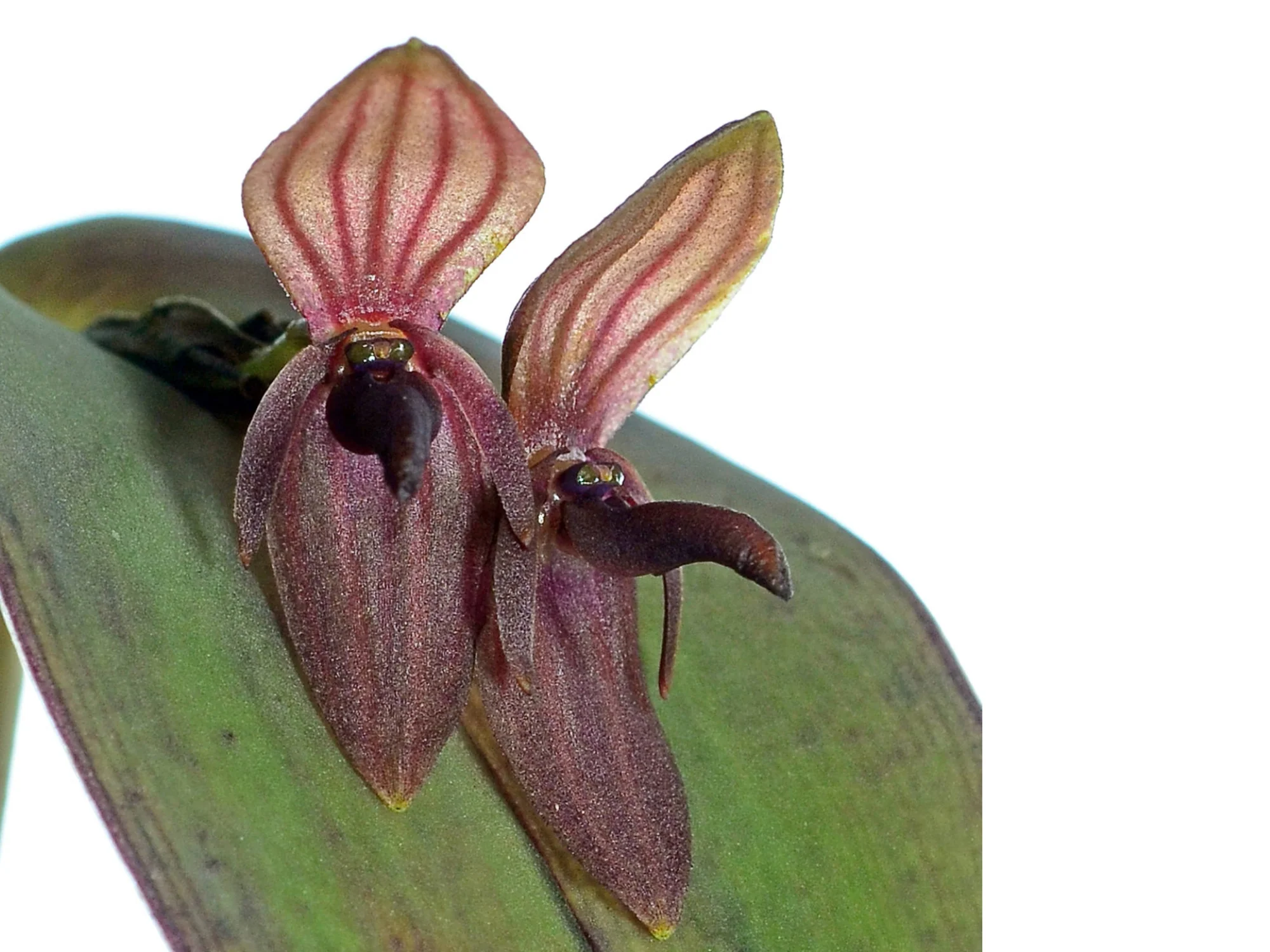
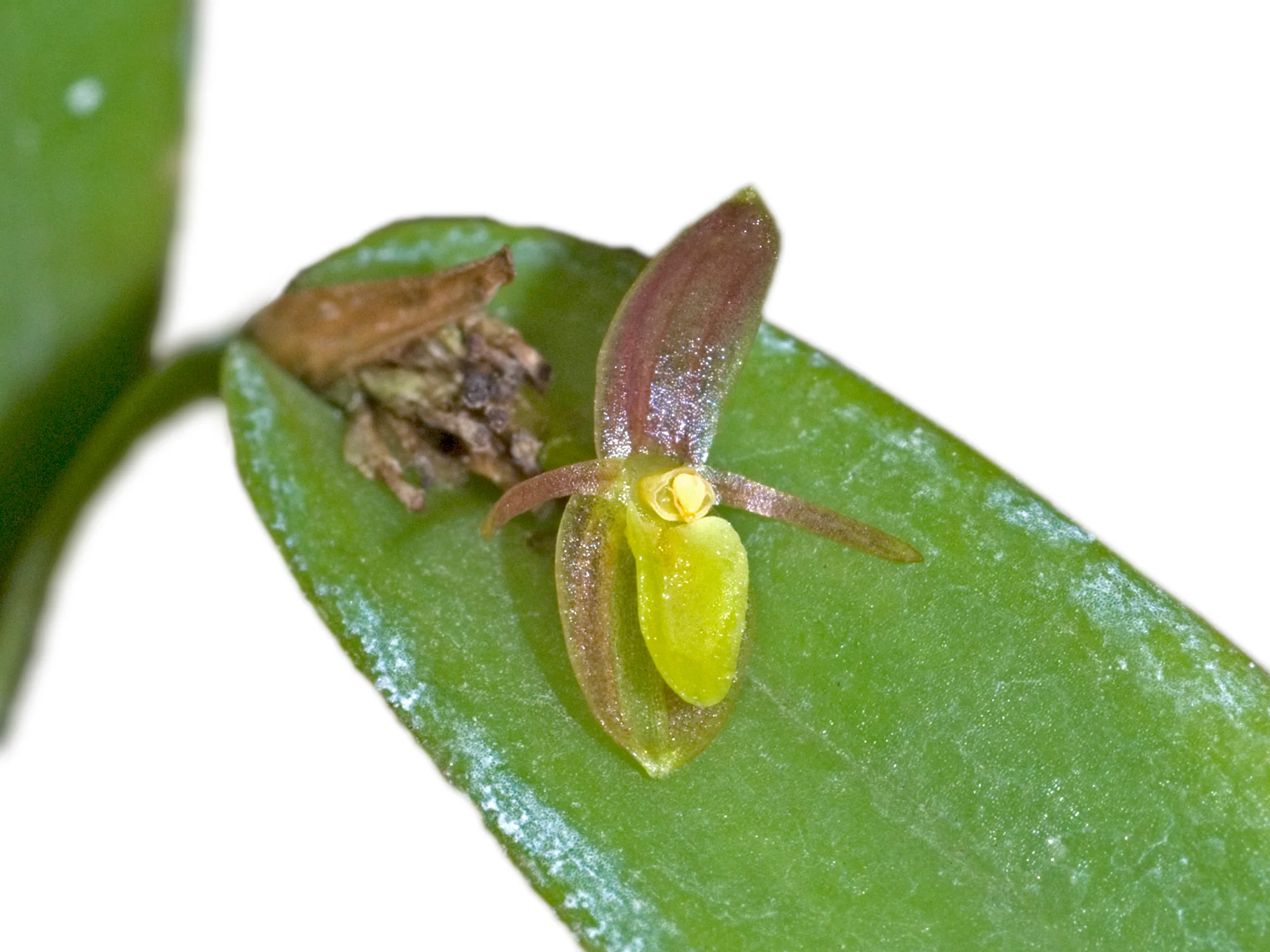
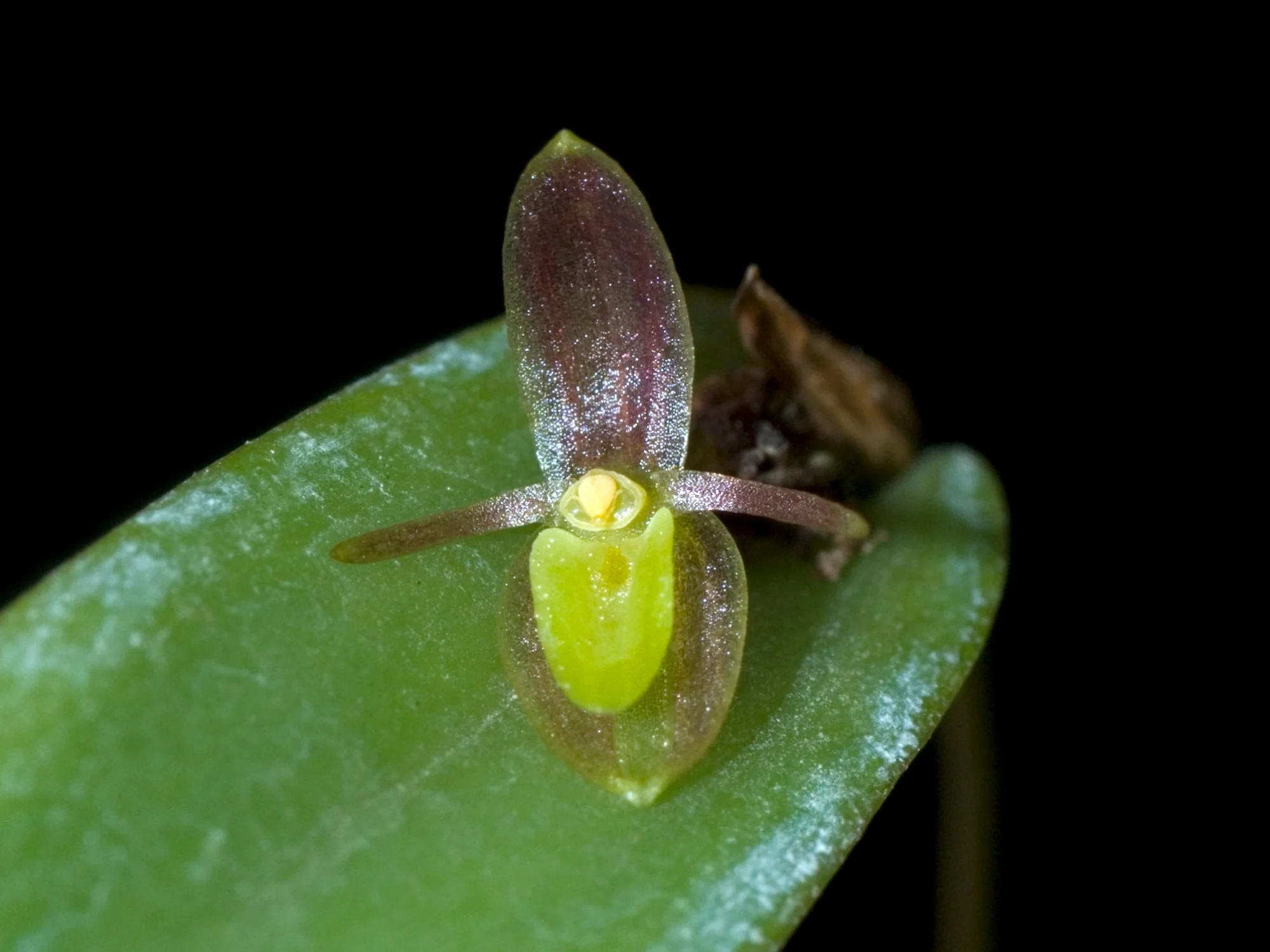
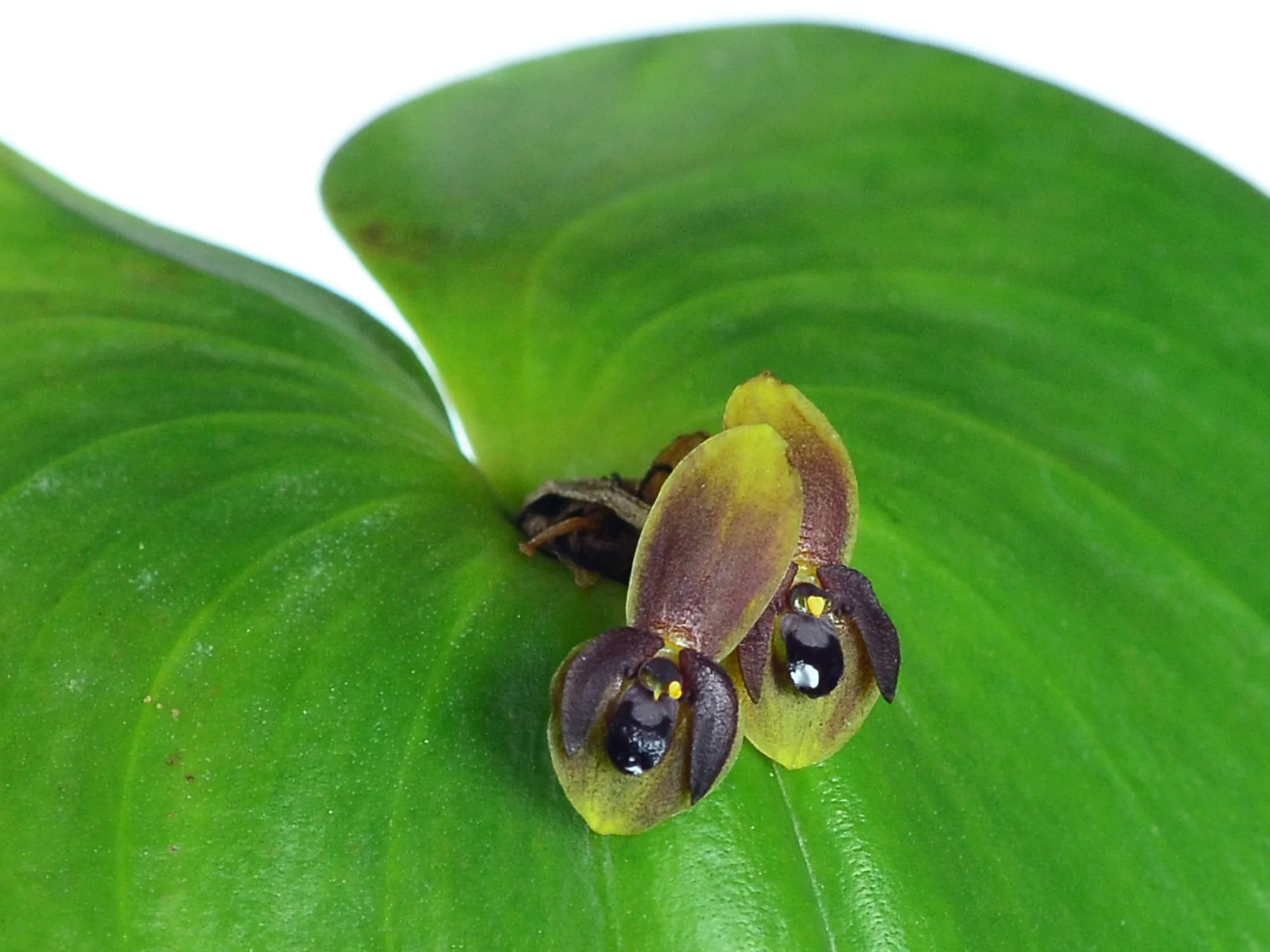
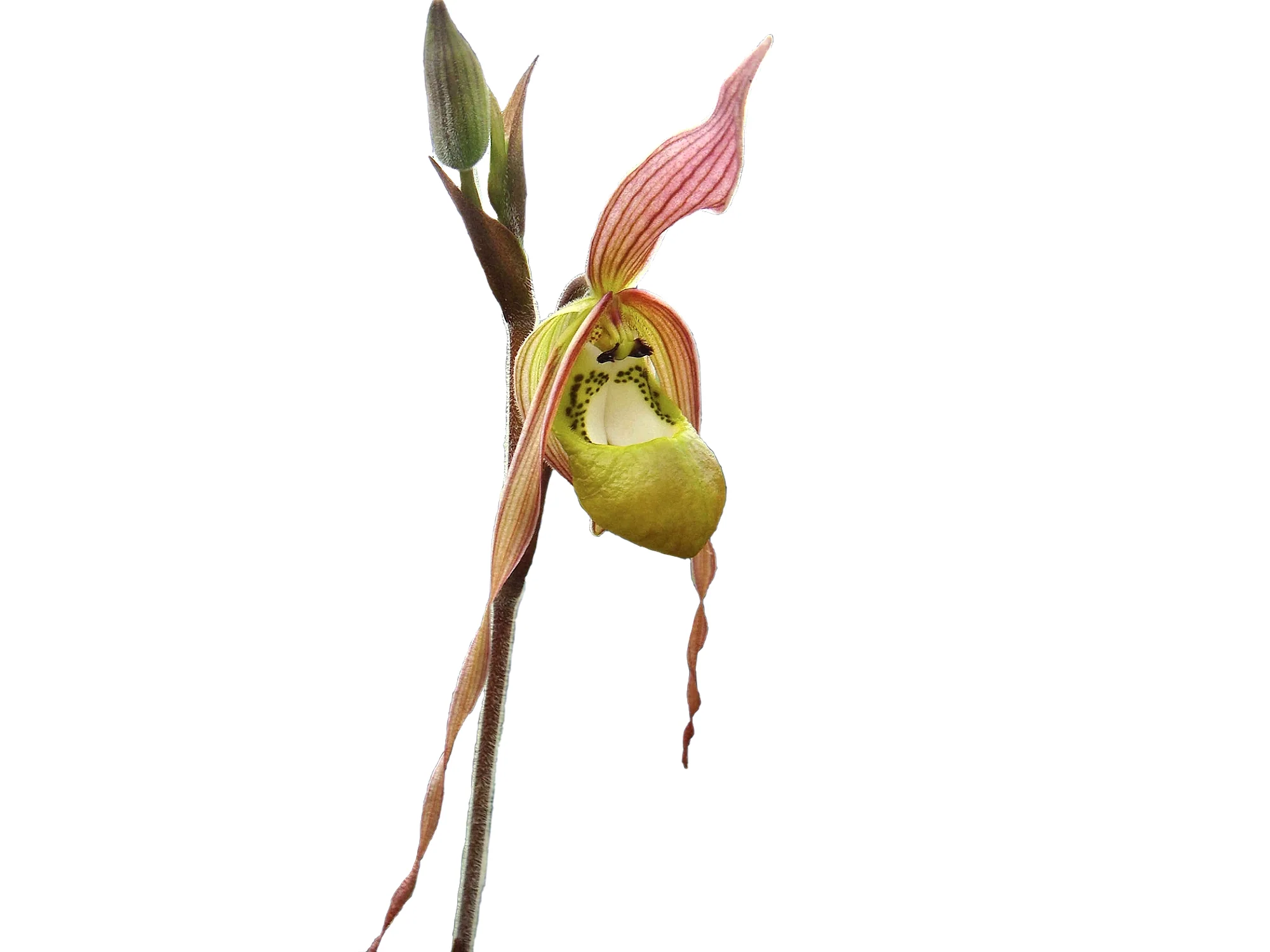
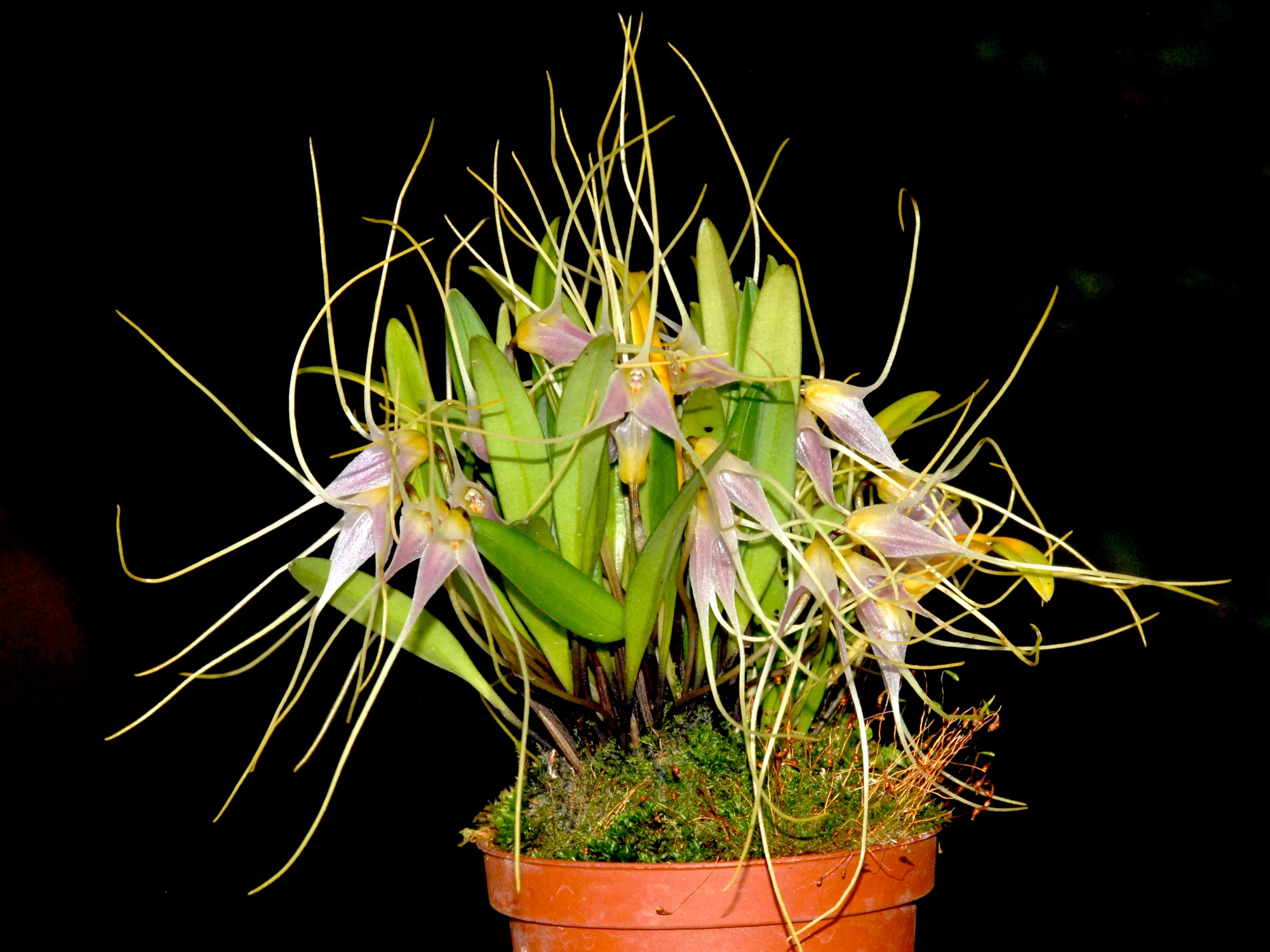
One of the most visually dramatic species in the genus, native to the cloud forests of Ecuador, producing dozens of simultaneous blooms in a dense basal habit. The small open flowers are almost secondary to the spectacle — it is the extraordinarily long filiform tails, curving and intertwining around the entire plant in a wild halo of filaments, that truly define this species.
- Light: 70–80% shade cloth; avoid direct midday sun. Bright, diffused light encourages the prolific blooming this species is known for.
- Temperature: 55–72°F (13–22°C) — Intermediate to Cool grower. Nighttime temperature drops help sustain blooming cycles. Avoid prolonged exposure above 75°F (24°C).
- Humidity: 80–90%; always pair with strong air movement to prevent rot and fungal issues.
- Watering: Water thoroughly and frequently, never allowing the medium to fully dry out. Use soft, low-mineral water (RO or rainwater preferred).
Additional Notes
Best grown in a small plastic or net pot with fine bark or sphagnum moss and excellent drainage. Ships bare root and well-established, with a healthy root system ready to settle into its new home.
One of the most visually dramatic species in the genus, native to the cloud forests of Ecuador, producing dozens of simultaneous blooms in a dense basal habit. The small open flowers are almost secondary to the spectacle — it is the extraordinarily long filiform tails, curving and intertwining around the entire plant in a wild halo of filaments, that truly define this species.
- Light: 70–80% shade cloth; avoid direct midday sun. Bright, diffused light encourages the prolific blooming this species is known for.
- Temperature: 55–72°F (13–22°C) — Intermediate to Cool grower. Nighttime temperature drops help sustain blooming cycles. Avoid prolonged exposure above 75°F (24°C).
- Humidity: 80–90%; always pair with strong air movement to prevent rot and fungal issues.
- Watering: Water thoroughly and frequently, never allowing the medium to fully dry out. Use soft, low-mineral water (RO or rainwater preferred).
Additional Notes
Best grown in a small plastic or net pot with fine bark or sphagnum moss and excellent drainage. Ships bare root and well-established, with a healthy root system ready to settle into its new home.
Original: $16.00
-65%$16.00
$5.60Description
One of the most visually dramatic species in the genus, native to the cloud forests of Ecuador, producing dozens of simultaneous blooms in a dense basal habit. The small open flowers are almost secondary to the spectacle — it is the extraordinarily long filiform tails, curving and intertwining around the entire plant in a wild halo of filaments, that truly define this species.
- Light: 70–80% shade cloth; avoid direct midday sun. Bright, diffused light encourages the prolific blooming this species is known for.
- Temperature: 55–72°F (13–22°C) — Intermediate to Cool grower. Nighttime temperature drops help sustain blooming cycles. Avoid prolonged exposure above 75°F (24°C).
- Humidity: 80–90%; always pair with strong air movement to prevent rot and fungal issues.
- Watering: Water thoroughly and frequently, never allowing the medium to fully dry out. Use soft, low-mineral water (RO or rainwater preferred).
Additional Notes
Best grown in a small plastic or net pot with fine bark or sphagnum moss and excellent drainage. Ships bare root and well-established, with a healthy root system ready to settle into its new home.