Masdevallia karelii
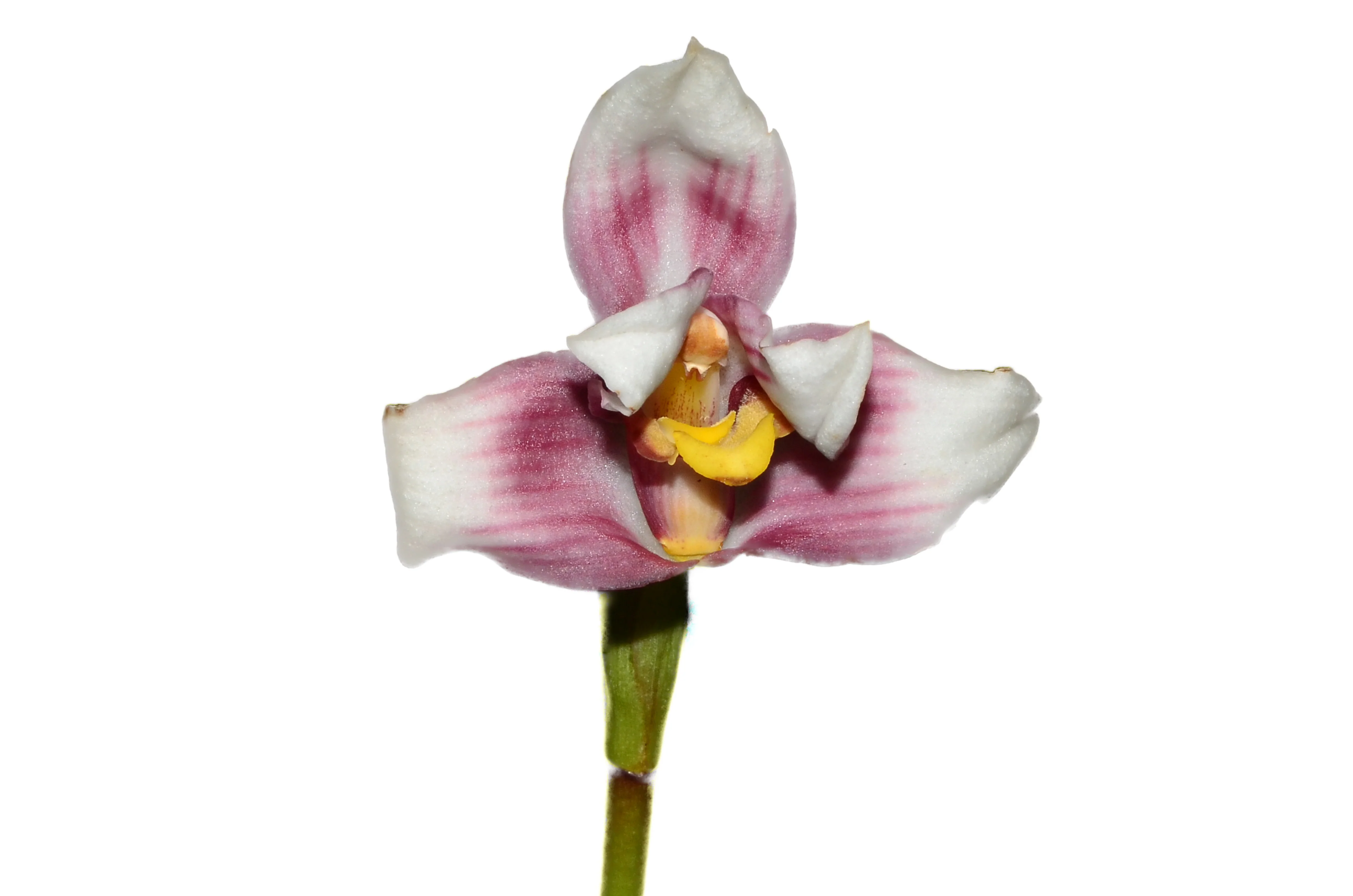
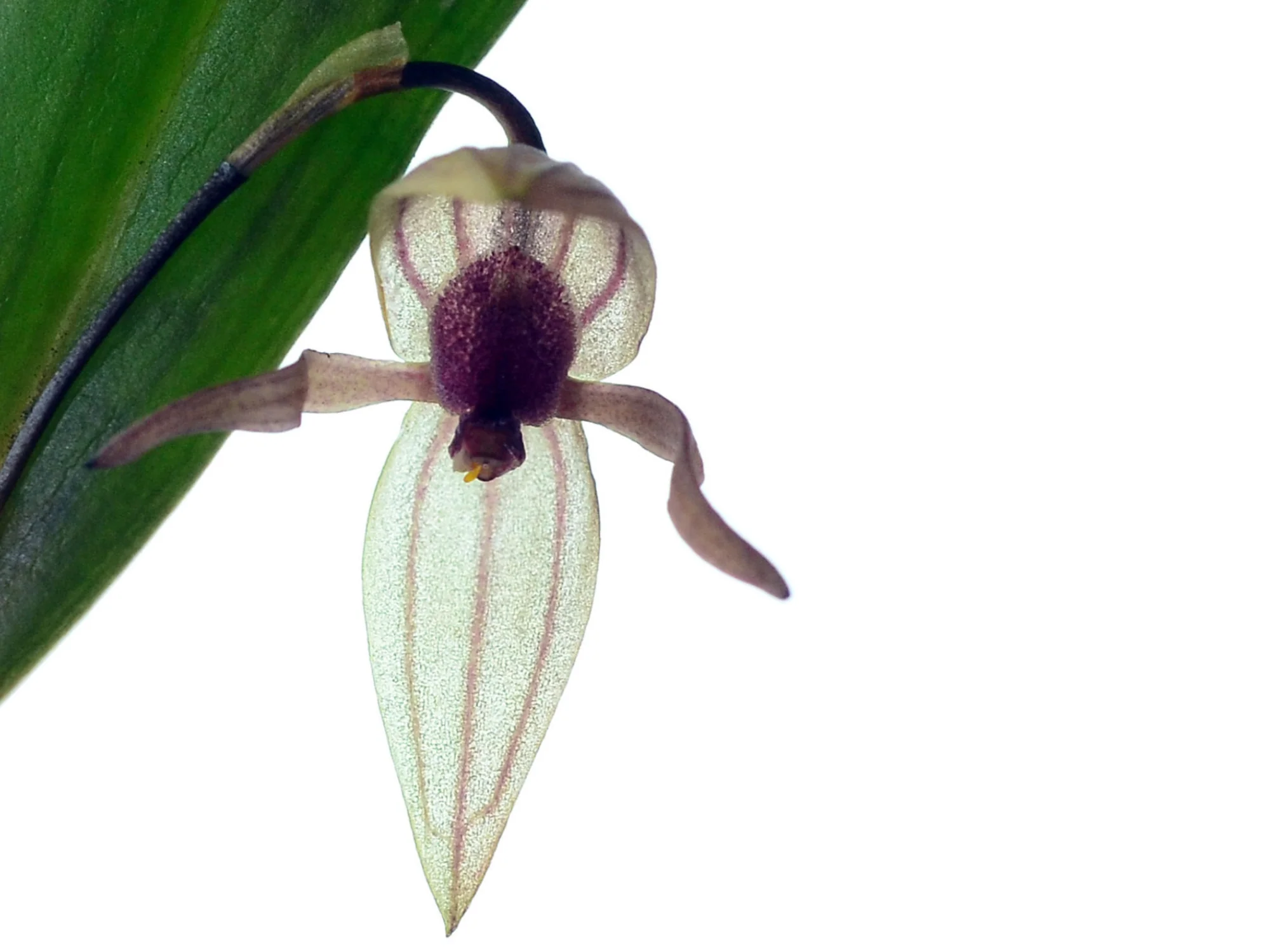
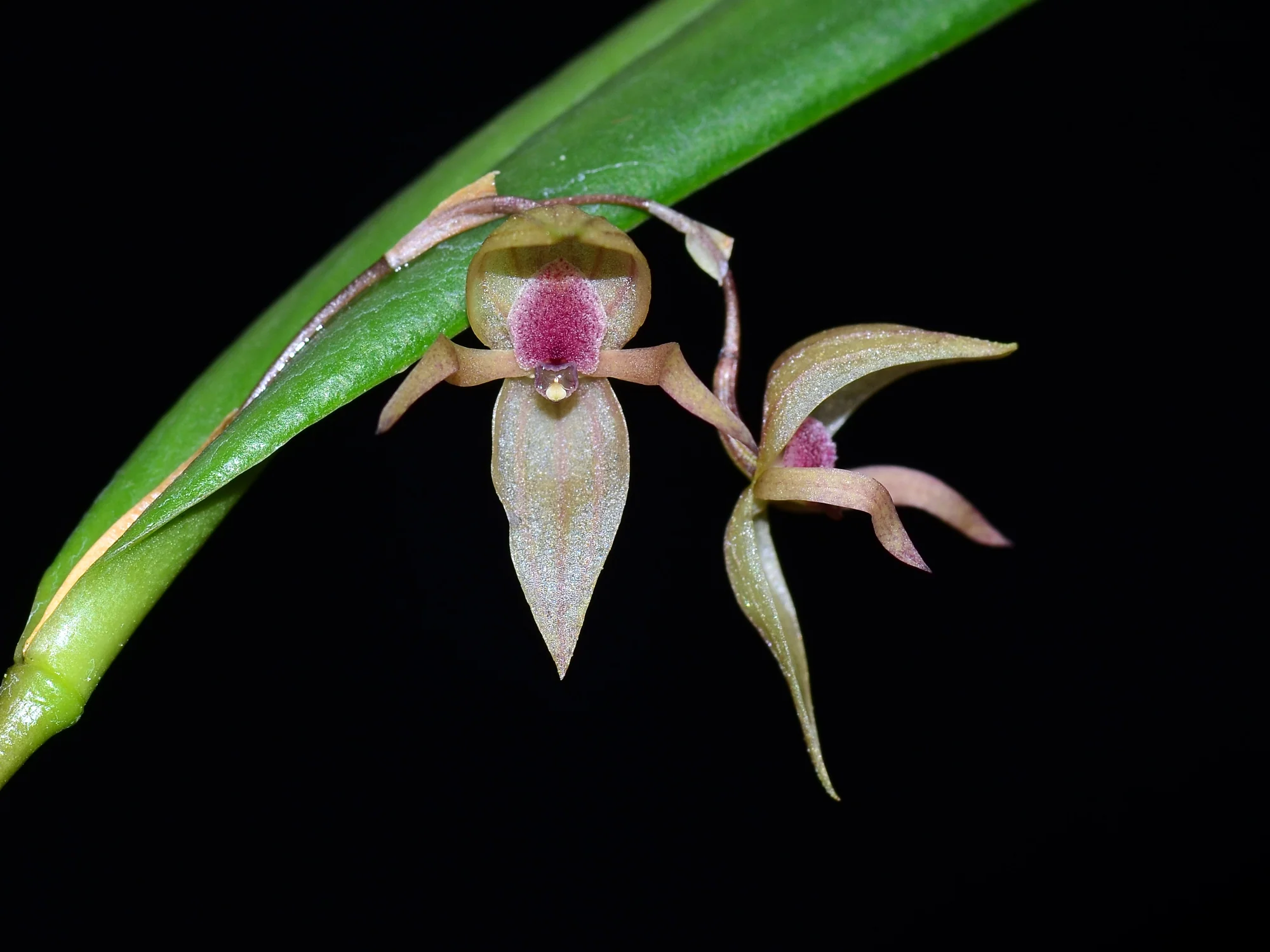
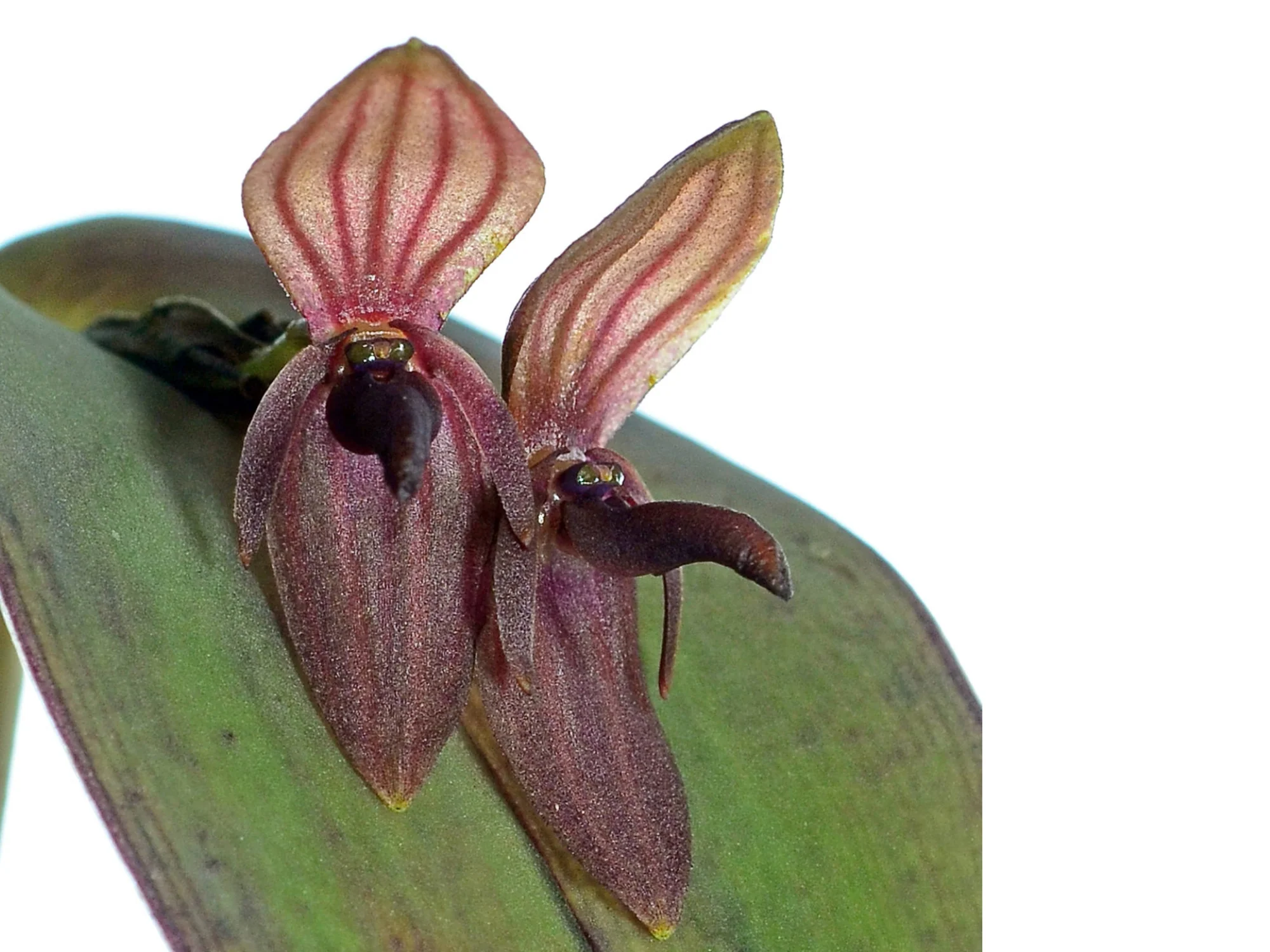
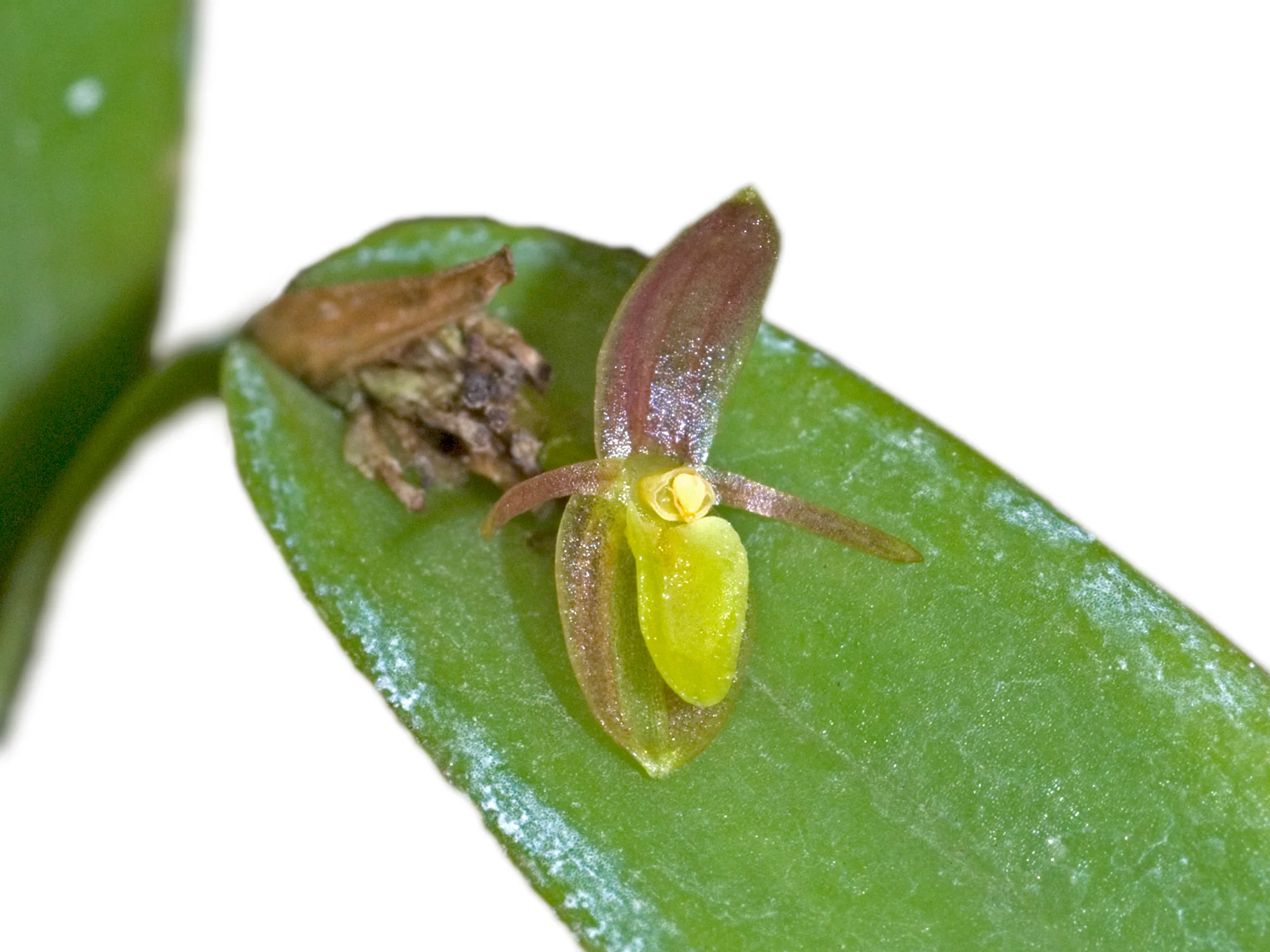
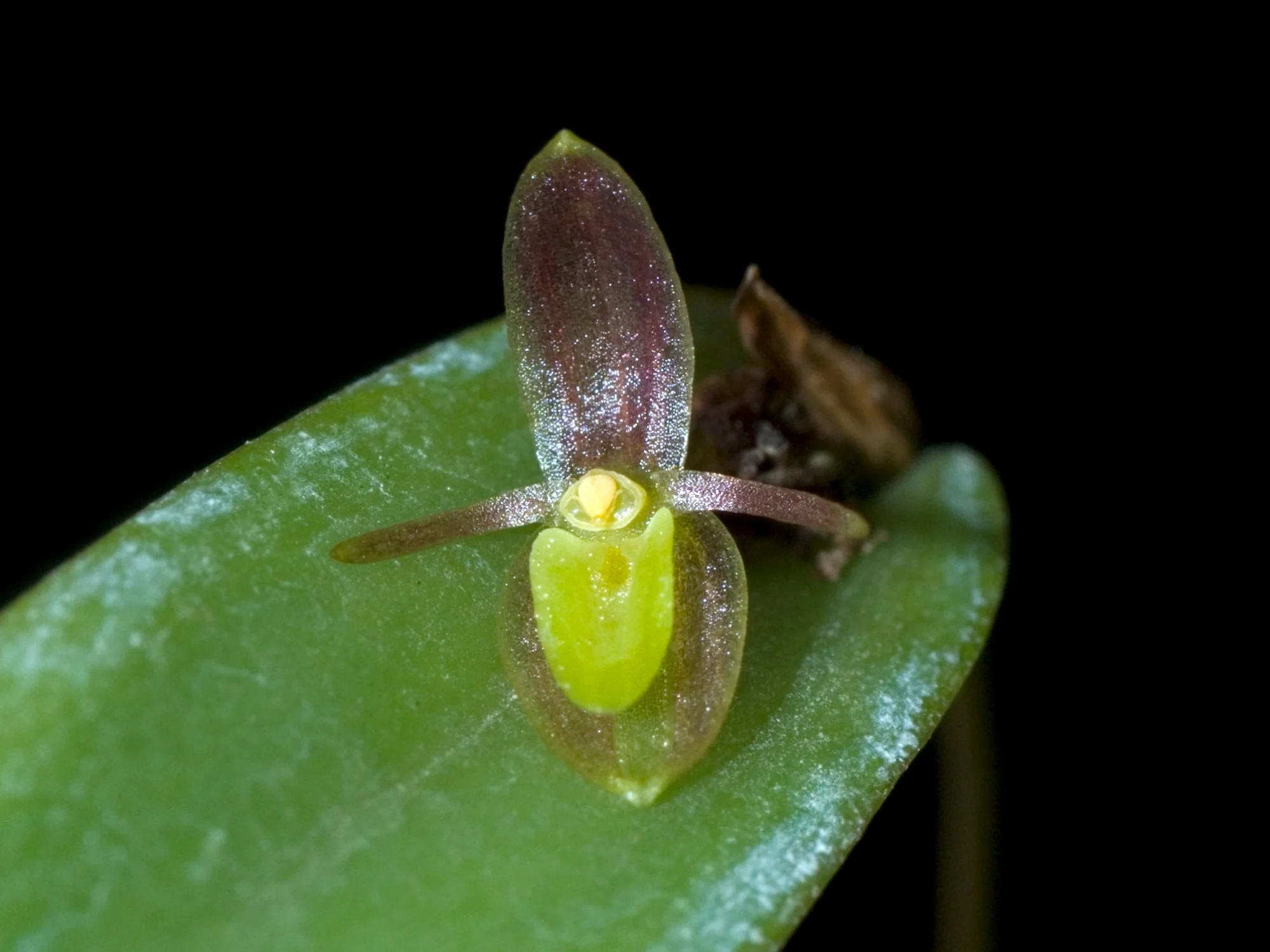
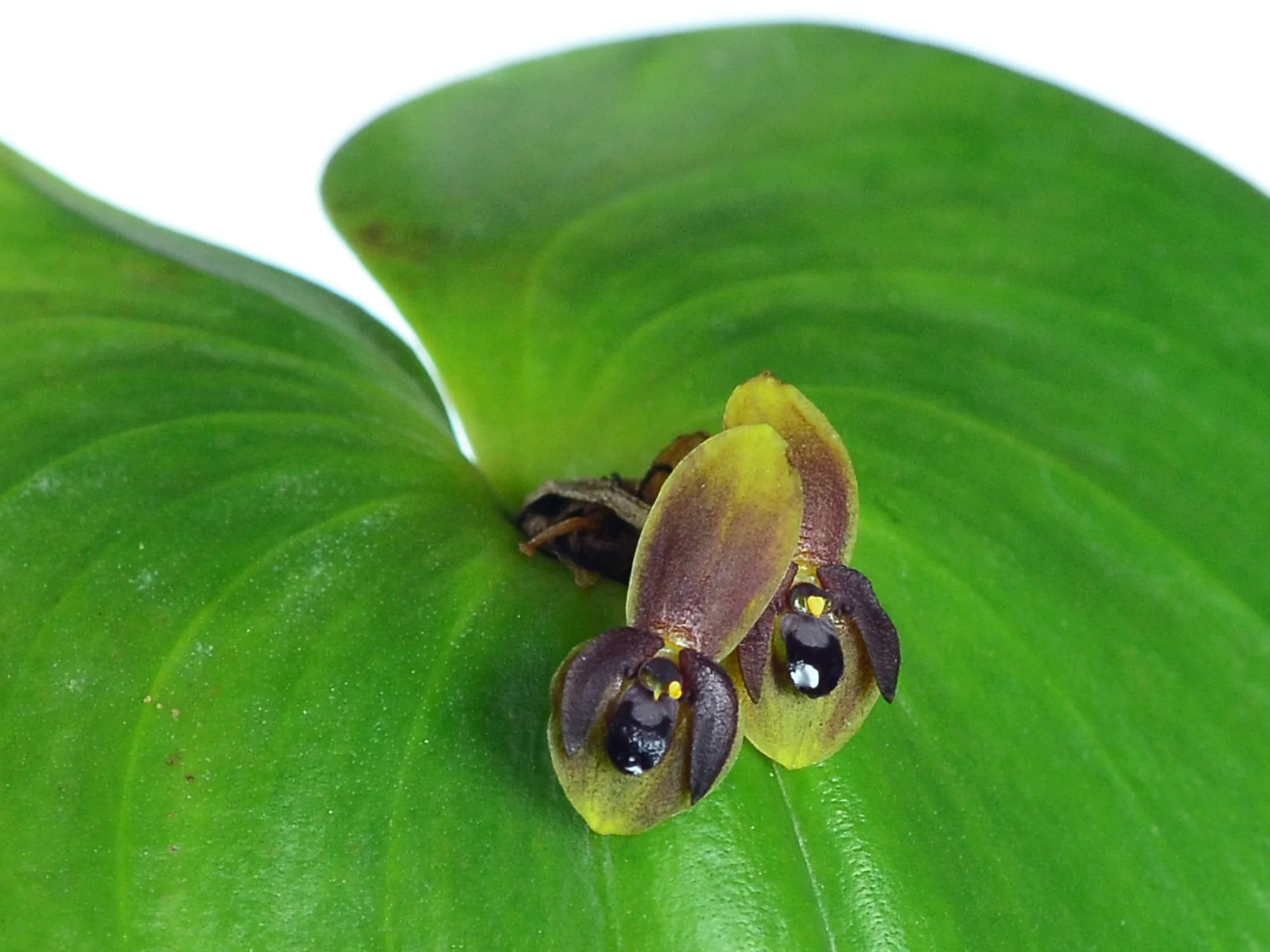
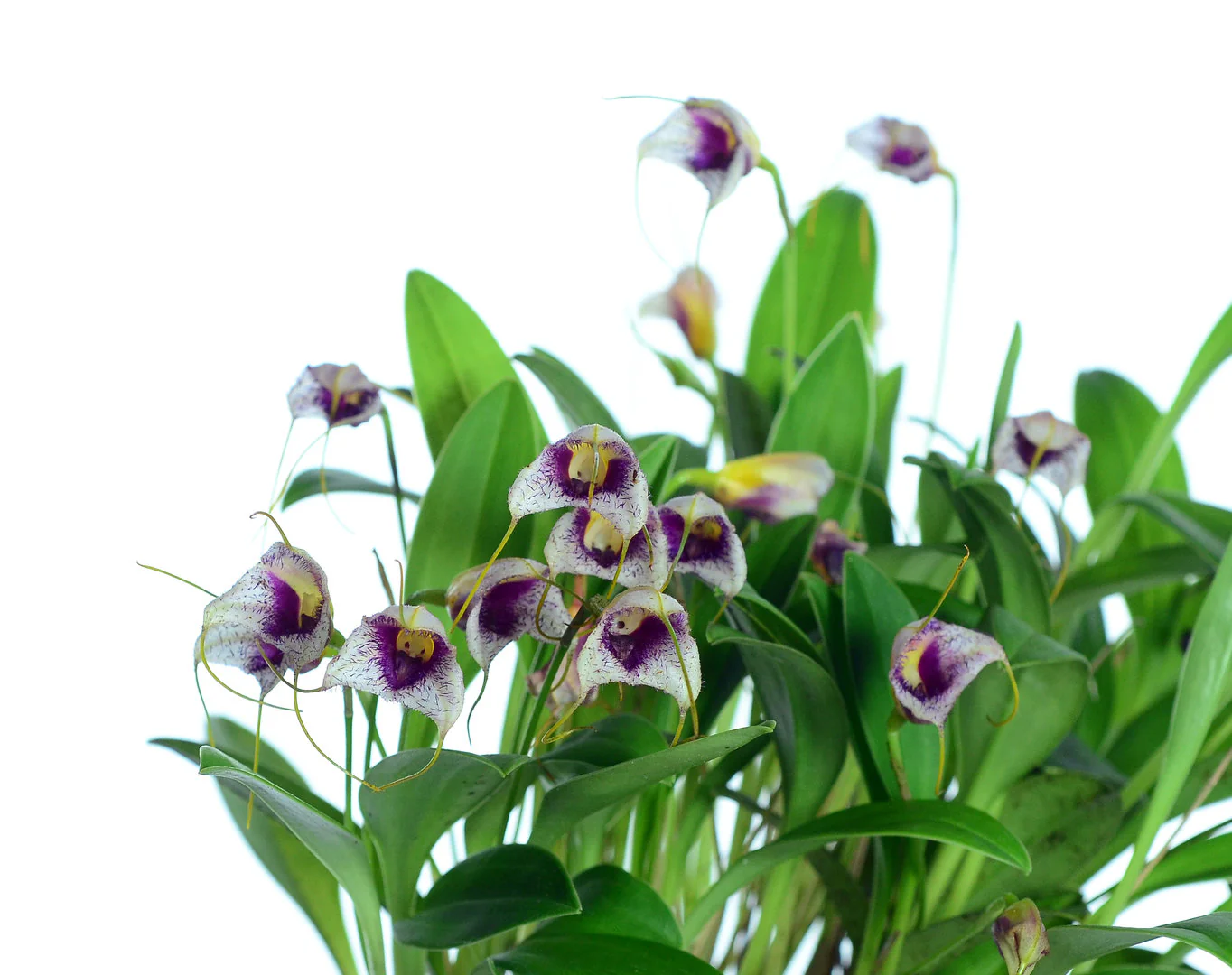
A charming miniature species whose flowers display the triangular sepaline tube and slender elongated tails typical of the genus, each carried singly on upright inflorescences that rise in succession from the base of the plant throughout the year.
- Light: Grow under 50–70% shade cloth; direct sun exposure causes immediate leaf scorch and must be avoided.
- Temperature: Cool grower. Daytime 57–68°F (14–20°C), nights 45–54°F (7–12°C). A marked day-night differential is essential for sustained health and flowering.
- Humidity: Requires 75–90% relative humidity; humidity trays or a humidifier paired with good air circulation prevent fungal issues.
- Watering: Keep evenly moist year-round; mounted plants need more frequent watering than potted ones, with a slight reduction during the coolest months.
Additional Notes
It inhabits cool-cloud forests, at altitudes of 2,700-2,800 meters, named in honor of Karel Deburghgraeve, a Belgian orchid enthusiast and photographer. Best cultivated in small pots with fine bark or sphagnum moss, or mounted on cork bark or tree fern.
A charming miniature species whose flowers display the triangular sepaline tube and slender elongated tails typical of the genus, each carried singly on upright inflorescences that rise in succession from the base of the plant throughout the year.
- Light: Grow under 50–70% shade cloth; direct sun exposure causes immediate leaf scorch and must be avoided.
- Temperature: Cool grower. Daytime 57–68°F (14–20°C), nights 45–54°F (7–12°C). A marked day-night differential is essential for sustained health and flowering.
- Humidity: Requires 75–90% relative humidity; humidity trays or a humidifier paired with good air circulation prevent fungal issues.
- Watering: Keep evenly moist year-round; mounted plants need more frequent watering than potted ones, with a slight reduction during the coolest months.
Additional Notes
It inhabits cool-cloud forests, at altitudes of 2,700-2,800 meters, named in honor of Karel Deburghgraeve, a Belgian orchid enthusiast and photographer. Best cultivated in small pots with fine bark or sphagnum moss, or mounted on cork bark or tree fern.
Original: $20.00
-65%$20.00
$7.00Description
A charming miniature species whose flowers display the triangular sepaline tube and slender elongated tails typical of the genus, each carried singly on upright inflorescences that rise in succession from the base of the plant throughout the year.
- Light: Grow under 50–70% shade cloth; direct sun exposure causes immediate leaf scorch and must be avoided.
- Temperature: Cool grower. Daytime 57–68°F (14–20°C), nights 45–54°F (7–12°C). A marked day-night differential is essential for sustained health and flowering.
- Humidity: Requires 75–90% relative humidity; humidity trays or a humidifier paired with good air circulation prevent fungal issues.
- Watering: Keep evenly moist year-round; mounted plants need more frequent watering than potted ones, with a slight reduction during the coolest months.
Additional Notes
It inhabits cool-cloud forests, at altitudes of 2,700-2,800 meters, named in honor of Karel Deburghgraeve, a Belgian orchid enthusiast and photographer. Best cultivated in small pots with fine bark or sphagnum moss, or mounted on cork bark or tree fern.