Masdevallia demissa
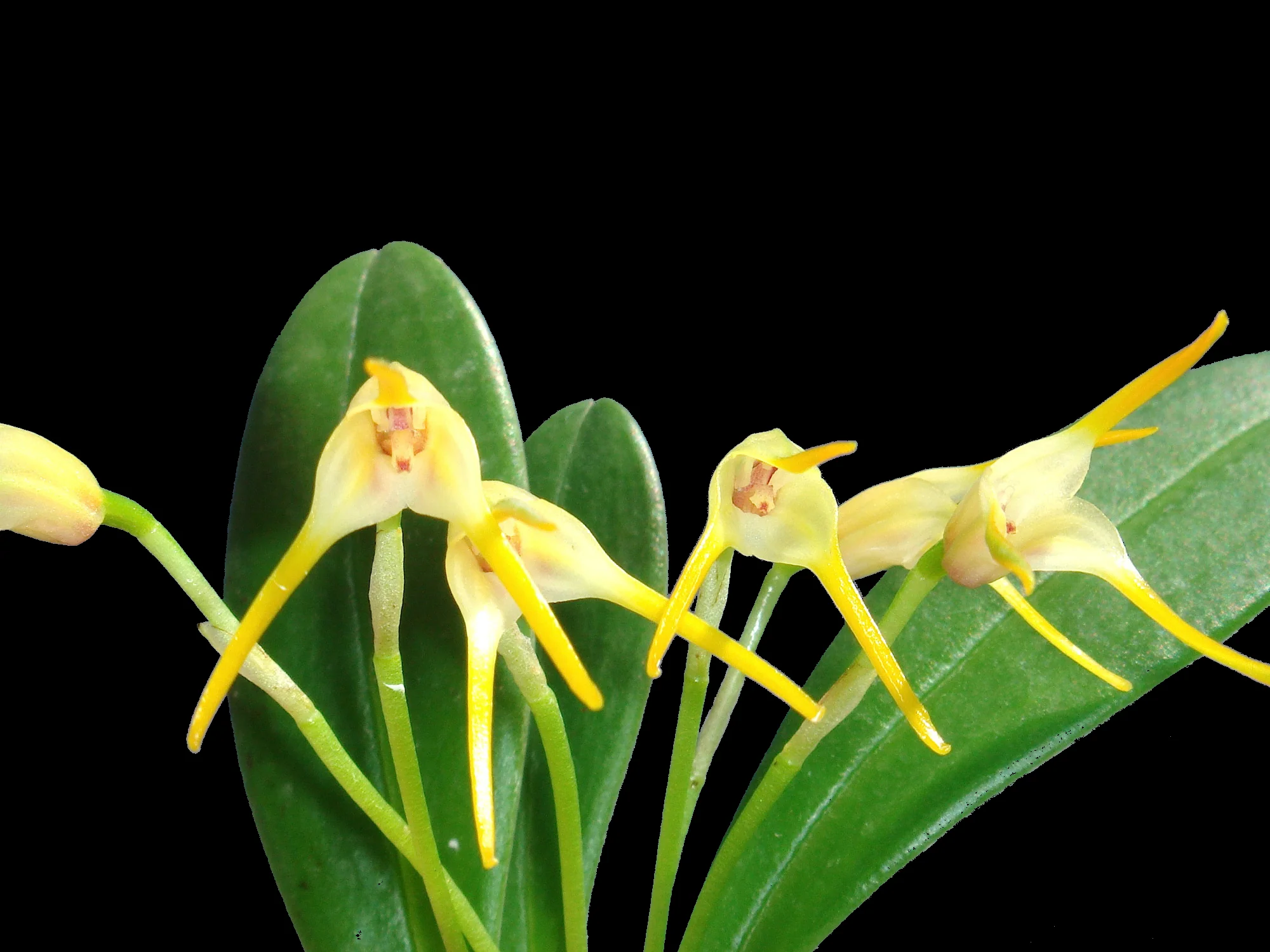
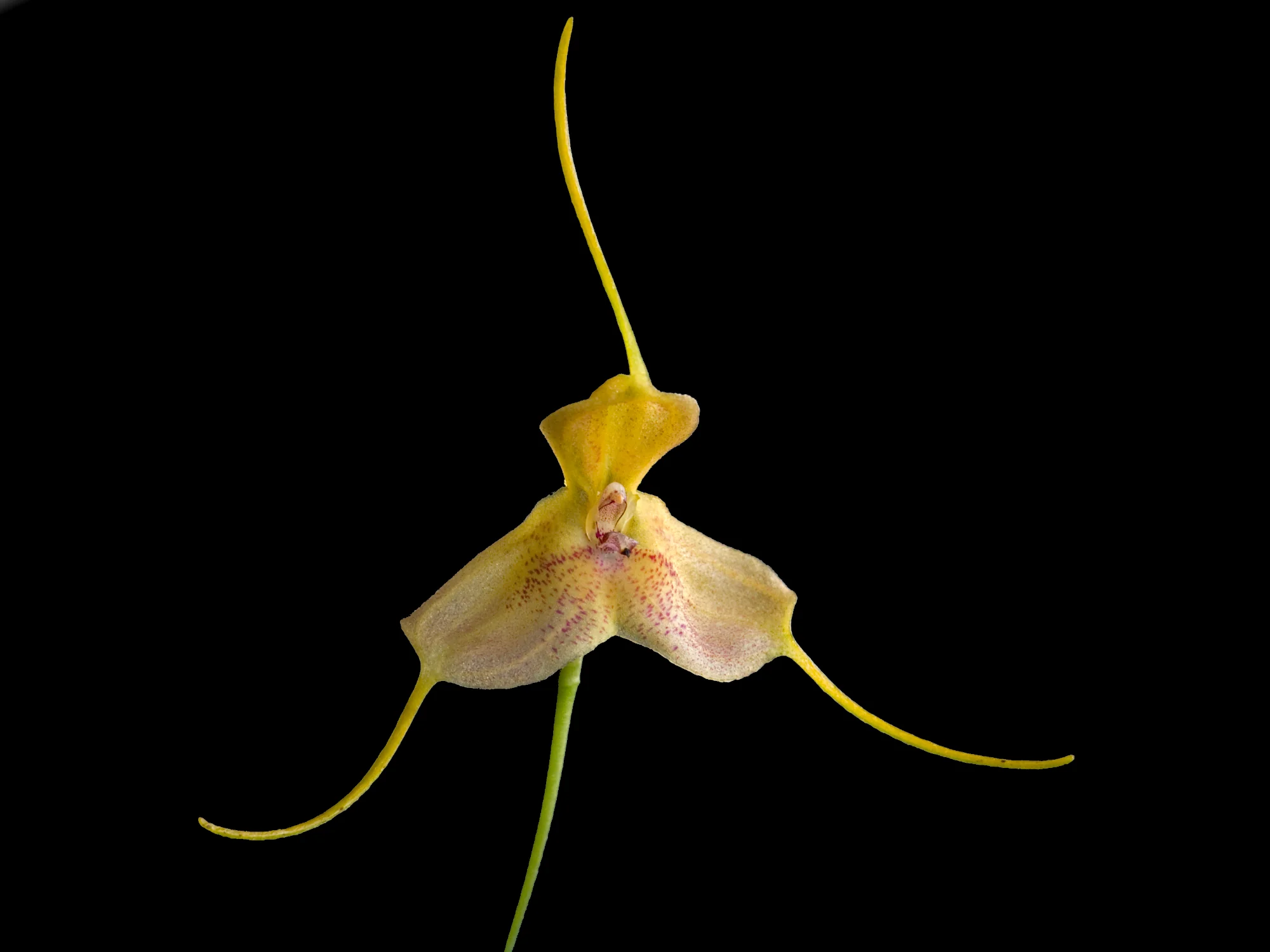
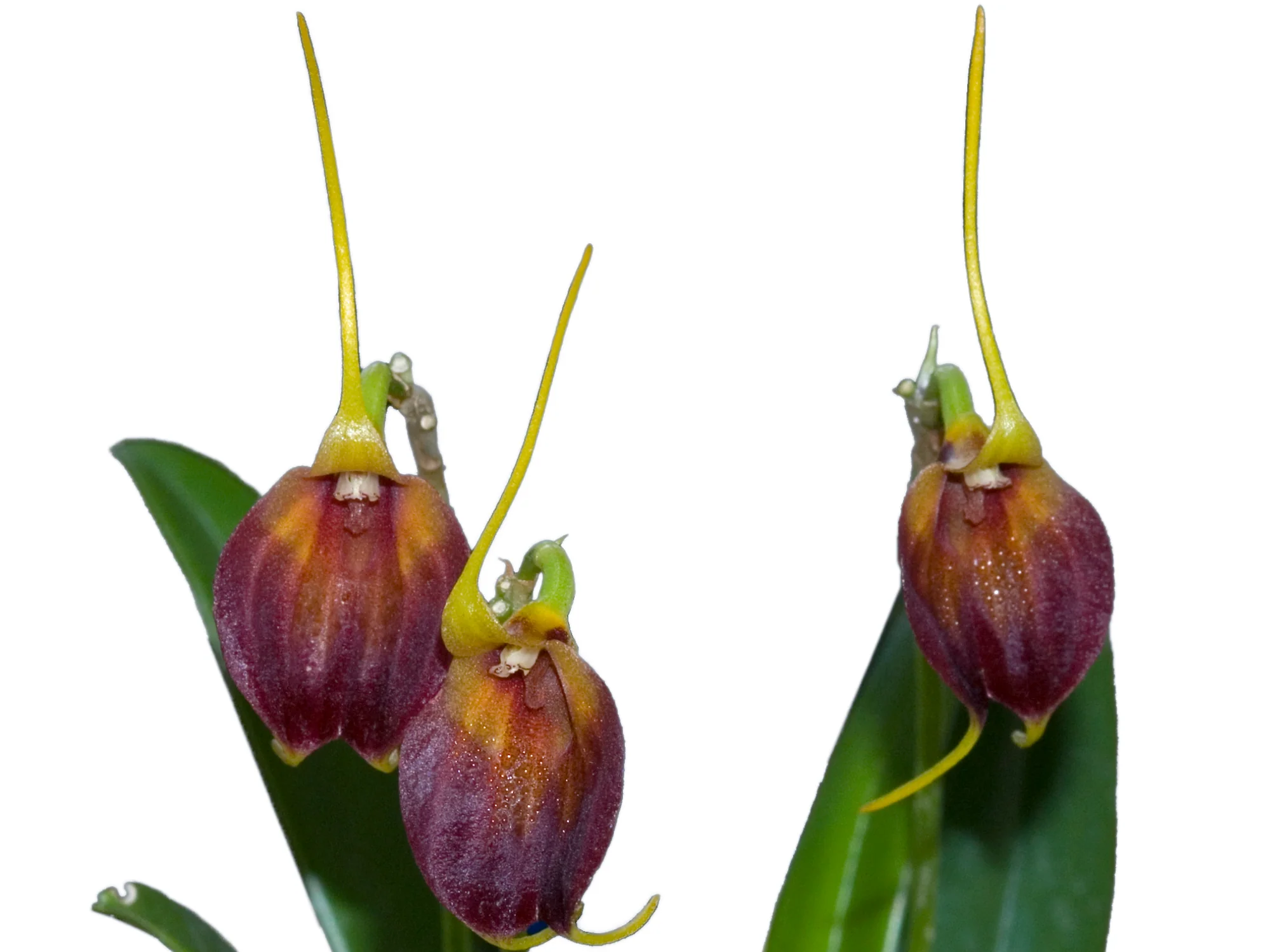
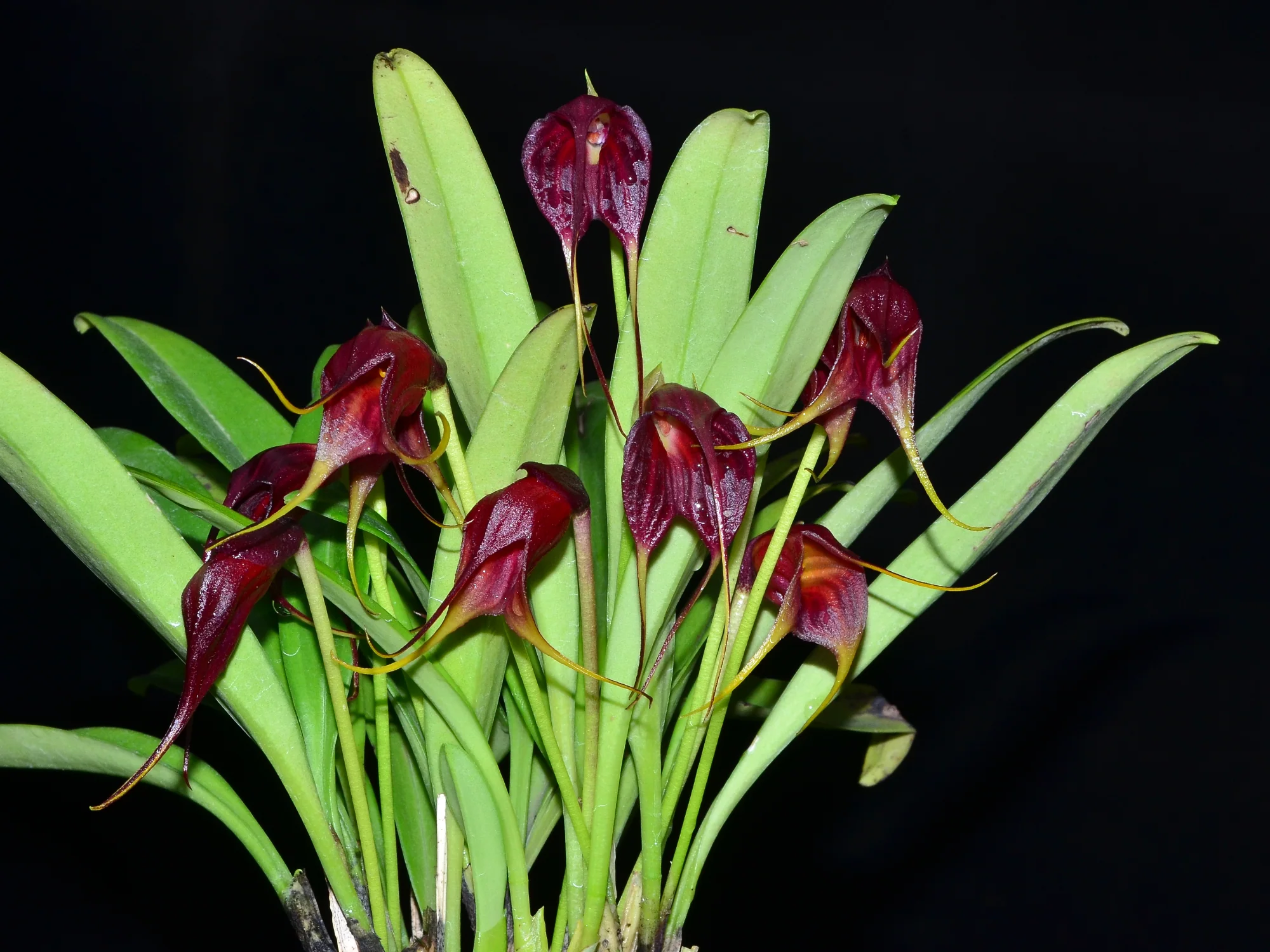
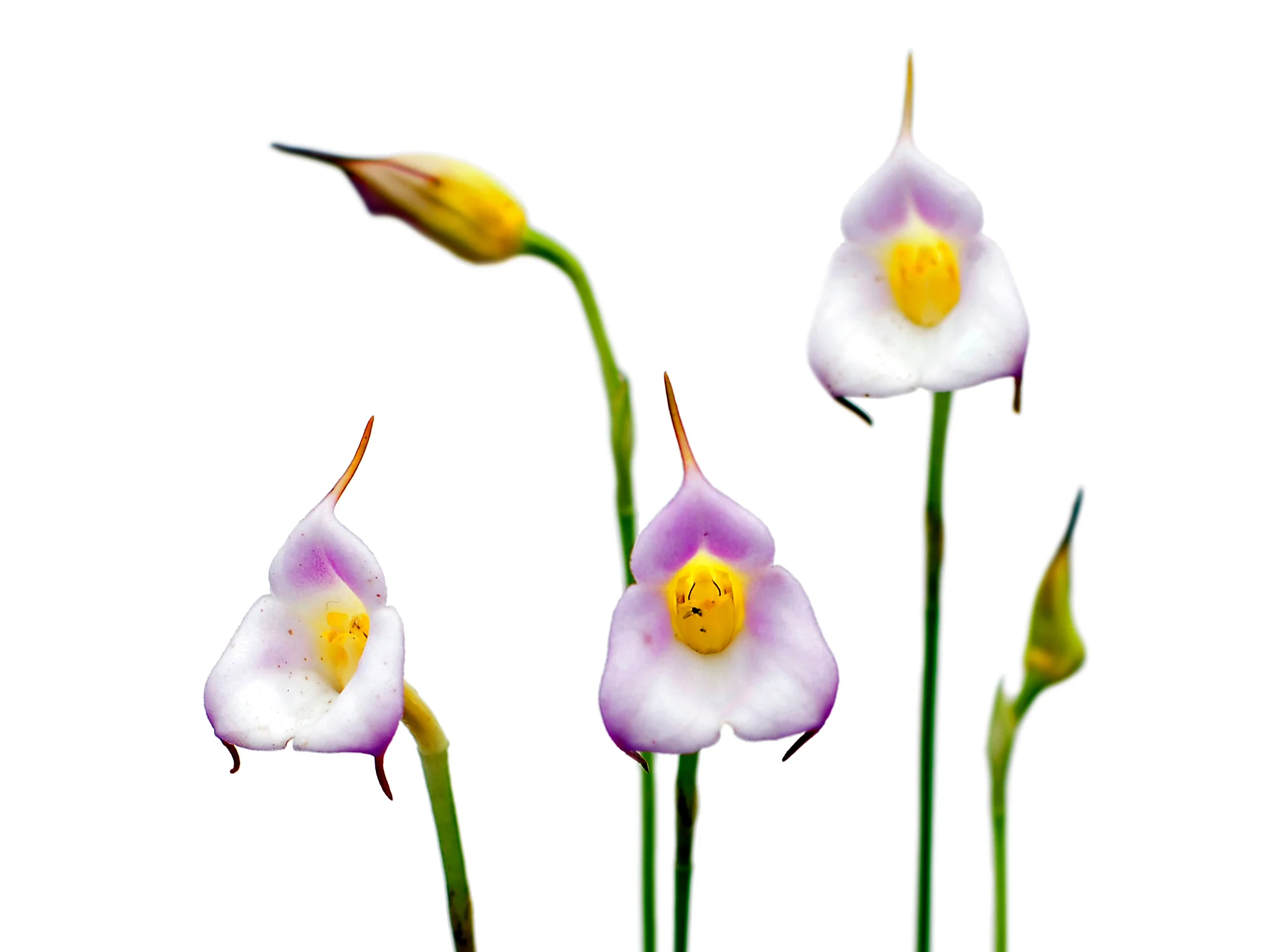
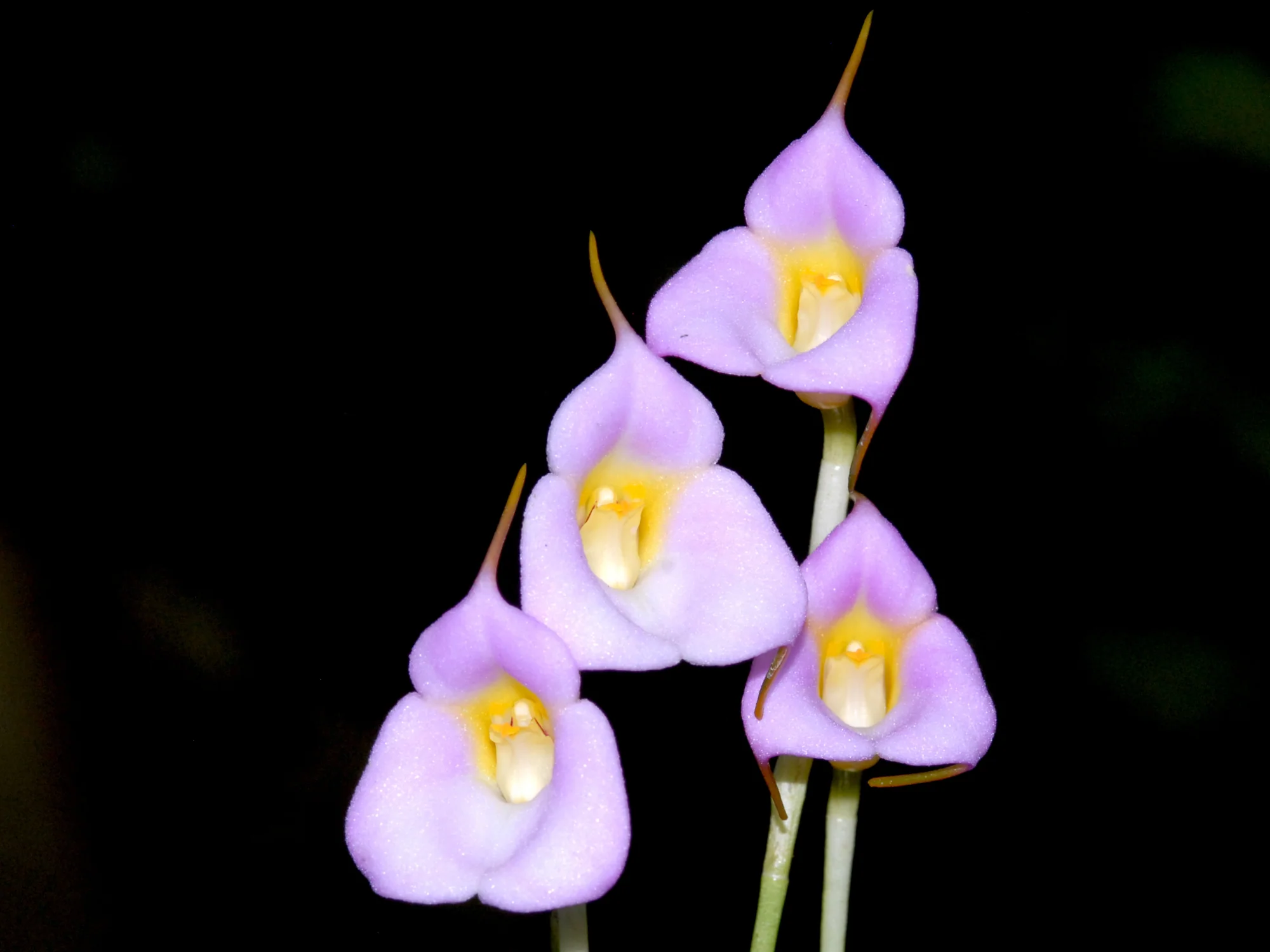
This graceful species produces pendant flowers with a distinctive drooping habit and elegant form. The blooms are held on slender, arching stems that showcase their refined beauty, creating a delicate presentation that adds a unique dimension to any collection.
- Light: Bright indirect light to partial shade, similar to conditions under a 50-70% shade cloth. Avoid direct sunlight which can scorch the leaves.
- Temperature: Intermediate to cool grower - Days 59-72°F (15-22°C), Nights 50-59°F (10-15°C). Consistent cool temperatures are essential for healthy growth and flowering. A 10-15°F (5-8°C) day-night differential promotes blooming.
- Humidity: 70-85% with constant air circulation to prevent fungal issues. Use humidity trays, room humidifiers, or terrarium culture to maintain adequate moisture levels. Good air movement is critical to prevent rot.
- Watering: Keep consistently moist year-round but never waterlogged. Water frequency depends on mounting medium - mounted plants may need daily misting, potted plants every 2-3 days. Reduce watering slightly in winter but never allow to dry completely.
Additional Notes
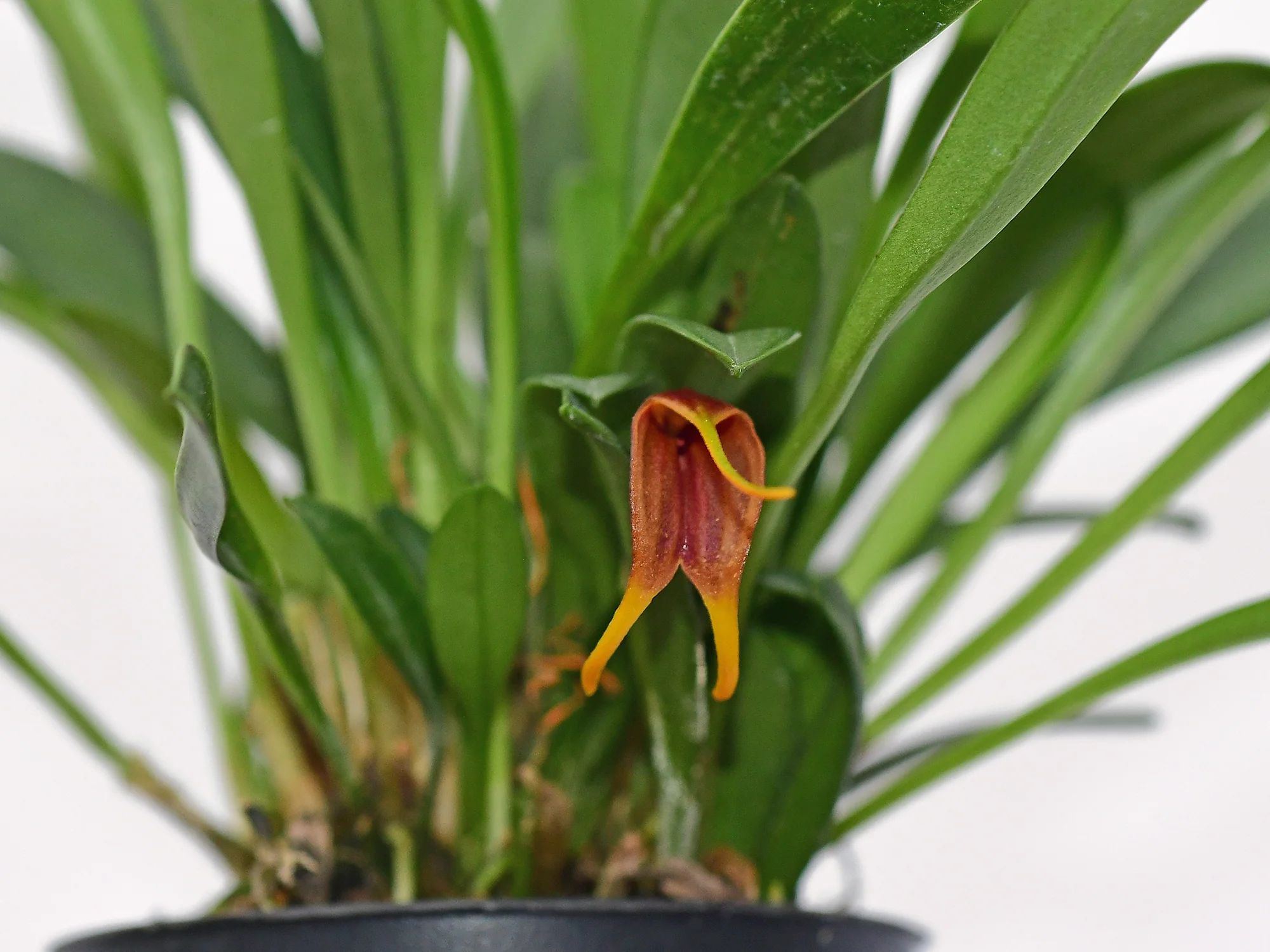
Native to the cloud forests of Ecuador at elevations of 2,000-3,000 meters. Best grown mounted on tree fern or cork bark to showcase its pendant growth habit, though it also adapts well to small pots with fine-grade bark mix or sphagnum moss.
This graceful species produces pendant flowers with a distinctive drooping habit and elegant form. The blooms are held on slender, arching stems that showcase their refined beauty, creating a delicate presentation that adds a unique dimension to any collection.
- Light: Bright indirect light to partial shade, similar to conditions under a 50-70% shade cloth. Avoid direct sunlight which can scorch the leaves.
- Temperature: Intermediate to cool grower - Days 59-72°F (15-22°C), Nights 50-59°F (10-15°C). Consistent cool temperatures are essential for healthy growth and flowering. A 10-15°F (5-8°C) day-night differential promotes blooming.
- Humidity: 70-85% with constant air circulation to prevent fungal issues. Use humidity trays, room humidifiers, or terrarium culture to maintain adequate moisture levels. Good air movement is critical to prevent rot.
- Watering: Keep consistently moist year-round but never waterlogged. Water frequency depends on mounting medium - mounted plants may need daily misting, potted plants every 2-3 days. Reduce watering slightly in winter but never allow to dry completely.
Additional Notes
Native to the cloud forests of Ecuador at elevations of 2,000-3,000 meters. Best grown mounted on tree fern or cork bark to showcase its pendant growth habit, though it also adapts well to small pots with fine-grade bark mix or sphagnum moss.
Description
This graceful species produces pendant flowers with a distinctive drooping habit and elegant form. The blooms are held on slender, arching stems that showcase their refined beauty, creating a delicate presentation that adds a unique dimension to any collection.
- Light: Bright indirect light to partial shade, similar to conditions under a 50-70% shade cloth. Avoid direct sunlight which can scorch the leaves.
- Temperature: Intermediate to cool grower - Days 59-72°F (15-22°C), Nights 50-59°F (10-15°C). Consistent cool temperatures are essential for healthy growth and flowering. A 10-15°F (5-8°C) day-night differential promotes blooming.
- Humidity: 70-85% with constant air circulation to prevent fungal issues. Use humidity trays, room humidifiers, or terrarium culture to maintain adequate moisture levels. Good air movement is critical to prevent rot.
- Watering: Keep consistently moist year-round but never waterlogged. Water frequency depends on mounting medium - mounted plants may need daily misting, potted plants every 2-3 days. Reduce watering slightly in winter but never allow to dry completely.
Additional Notes
Native to the cloud forests of Ecuador at elevations of 2,000-3,000 meters. Best grown mounted on tree fern or cork bark to showcase its pendant growth habit, though it also adapts well to small pots with fine-grade bark mix or sphagnum moss.