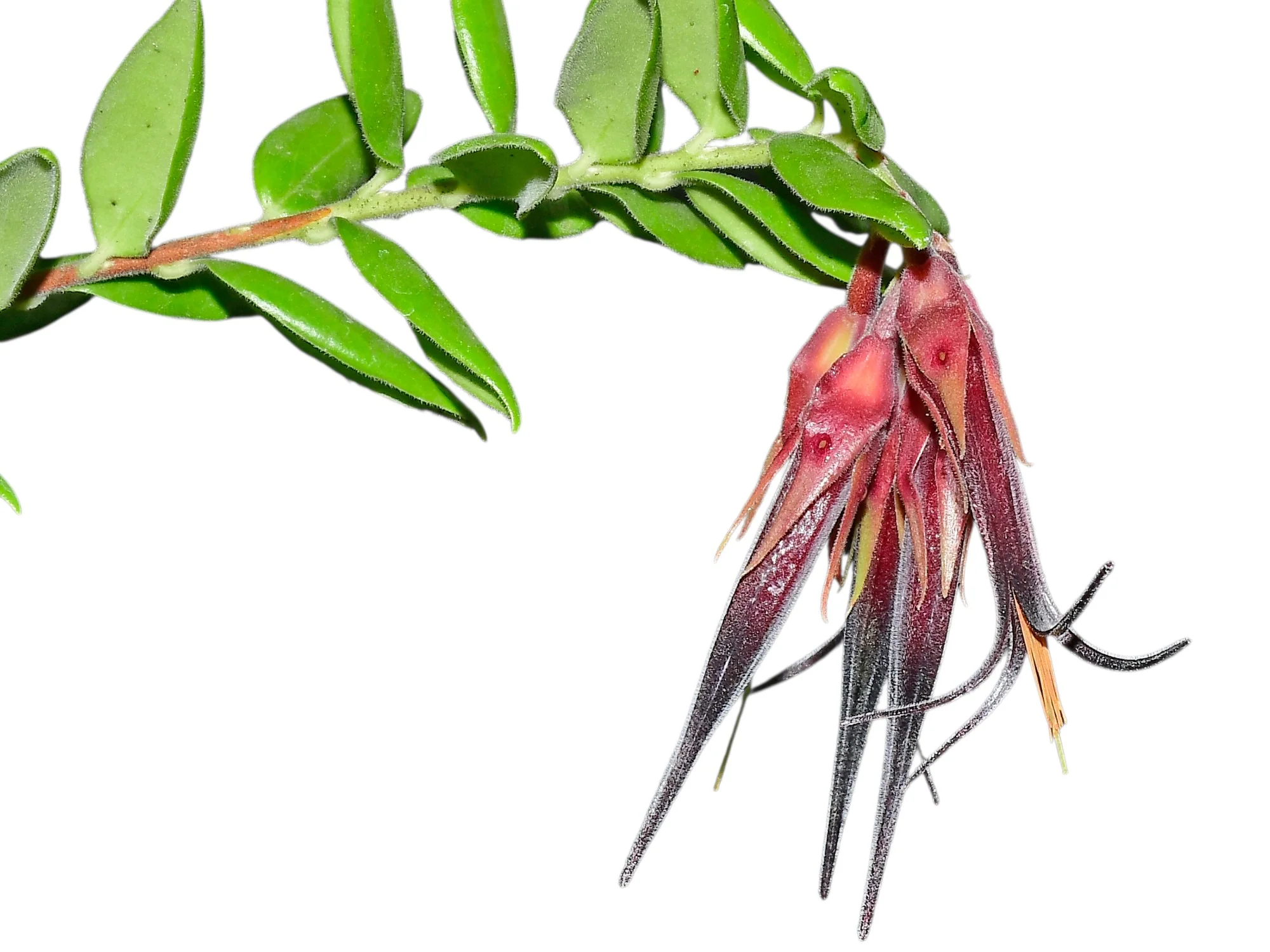
Ceratostema pedunculatum
Ceratostema pedunculatum Culture
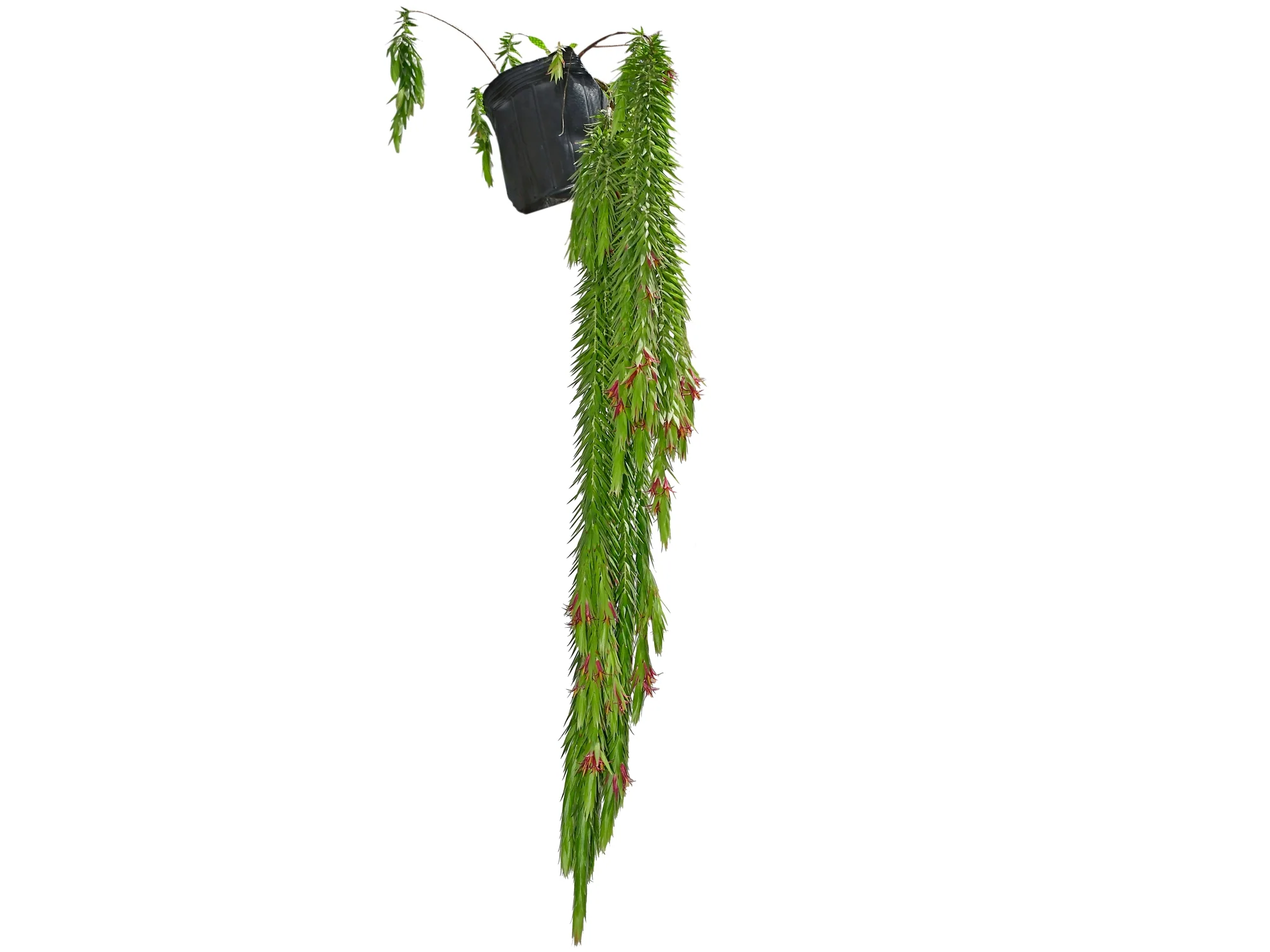
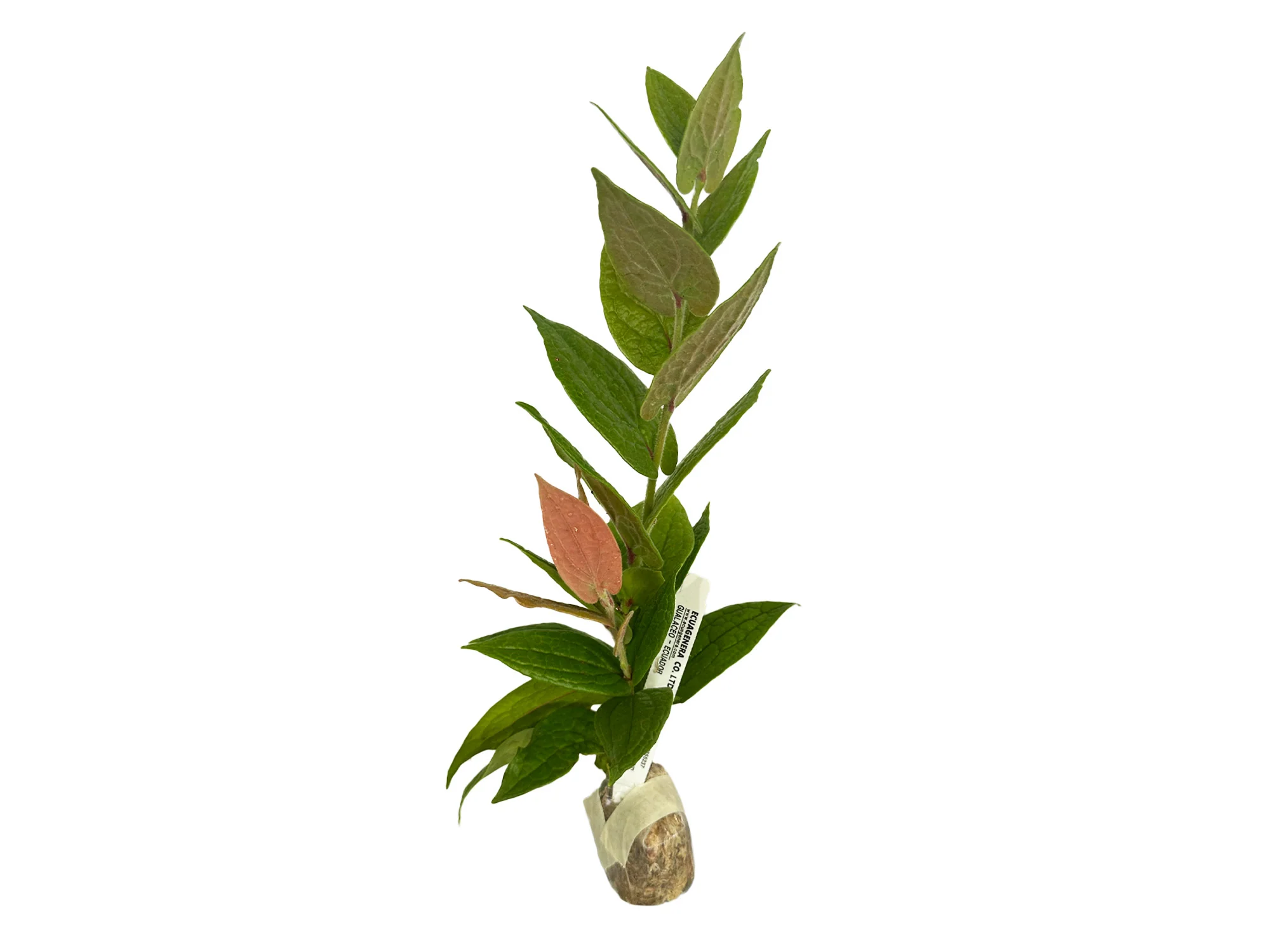
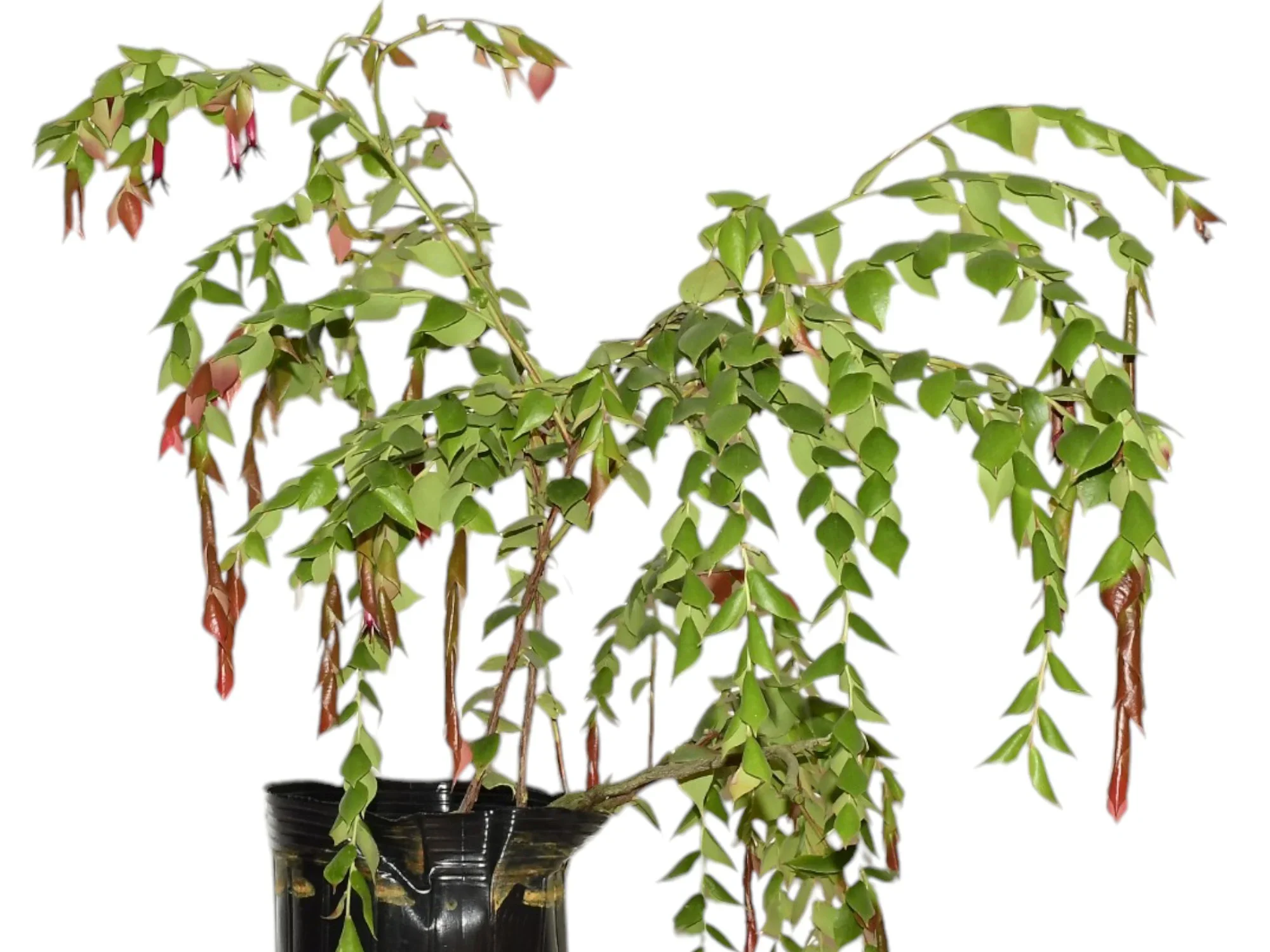
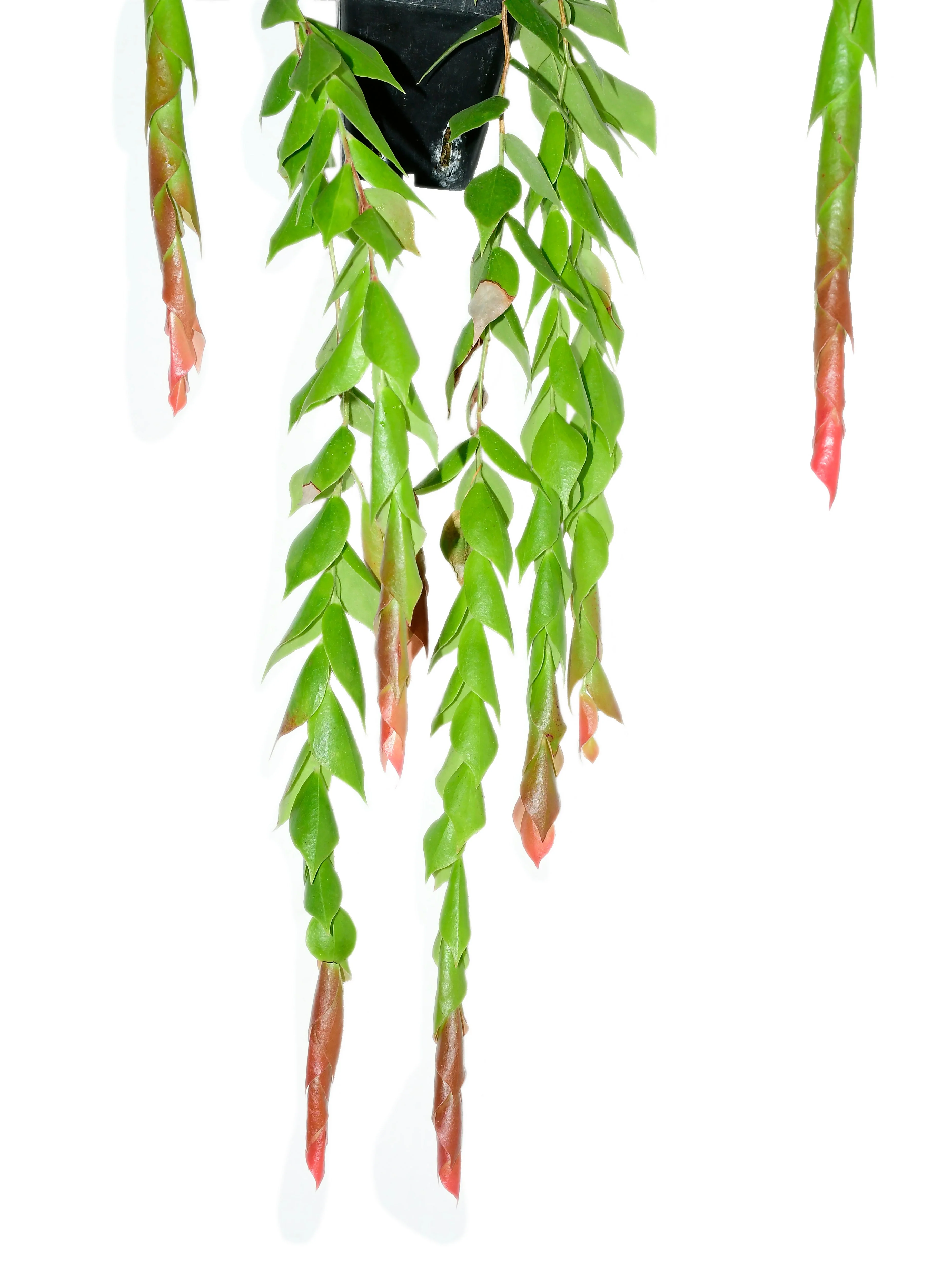
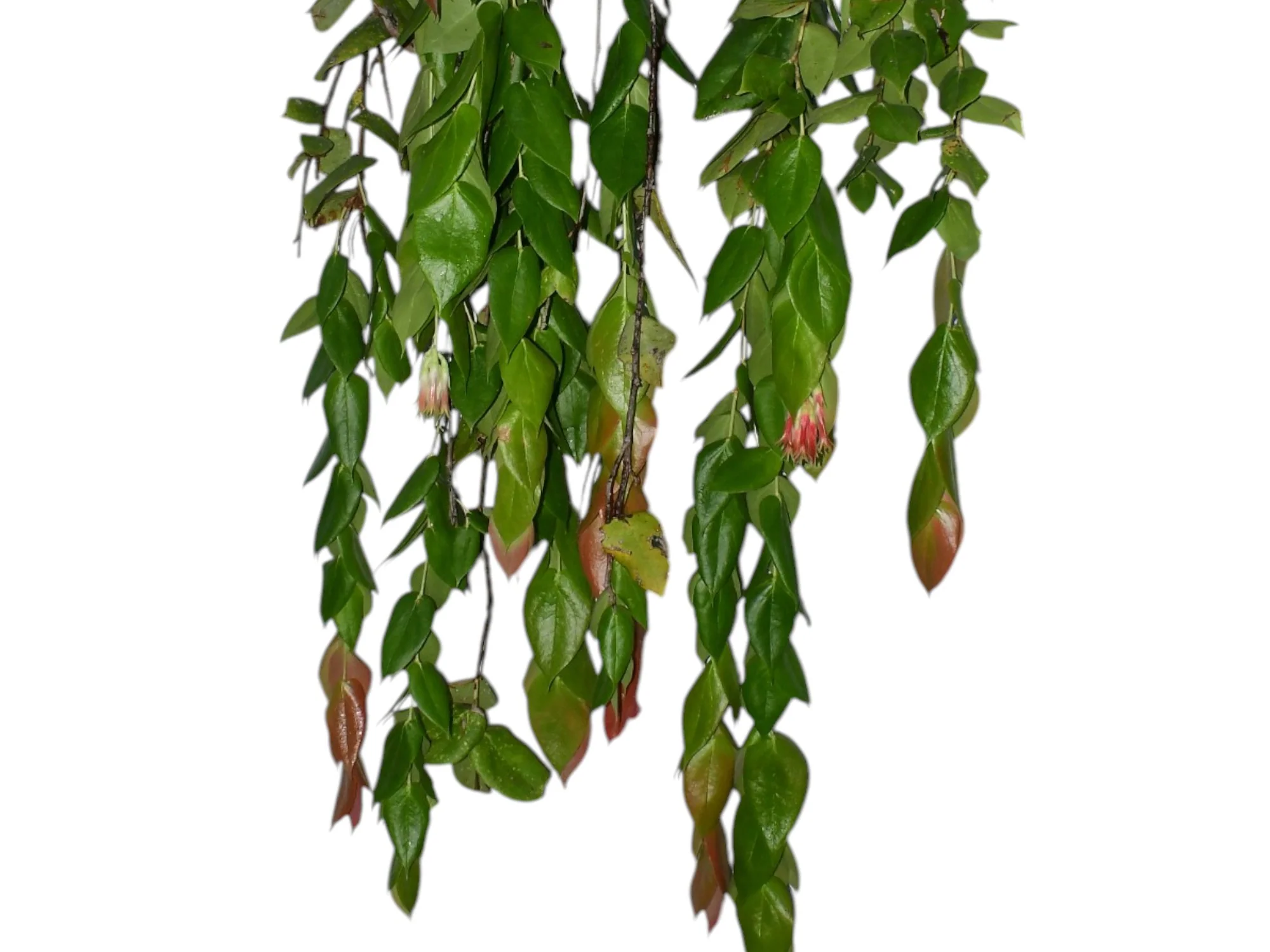
Explore Ceratostema pedunculatum, a well-established and striking species within the Ericaceae family, known for its elegant, pendent flowers. This plant is a significant component of the Andean cloud forest flora.
Cultivation Notes:
- Light: Provide bright, indirect light. Filtered sunlight is ideal, mimicking the dappled light found under a forest canopy. Direct, intense sunlight can easily scorch its delicate foliage.
- Temperature: These plants generally prefer cool to intermediate temperatures. Aim for daytime temperatures between 18-25°C (65-77°F) and a distinct nighttime drop to 10-16°C (50-60°F).
- Humidity: High humidity is essential, ideally maintaining levels of 60-80% or more. These plants are adapted to very moist environments.
- Watering: Keep the plant consistently moist but never waterlogged. Water thoroughly when the top layer of the substrate feels slightly dry, allowing all excess water to drain completely.
- Ventilation: Excellent air circulation is crucial to prevent fungal and bacterial diseases, especially in high-humidity environments. Stagnant, humid air is a common cause of rot. A gentle fan can be very beneficial.
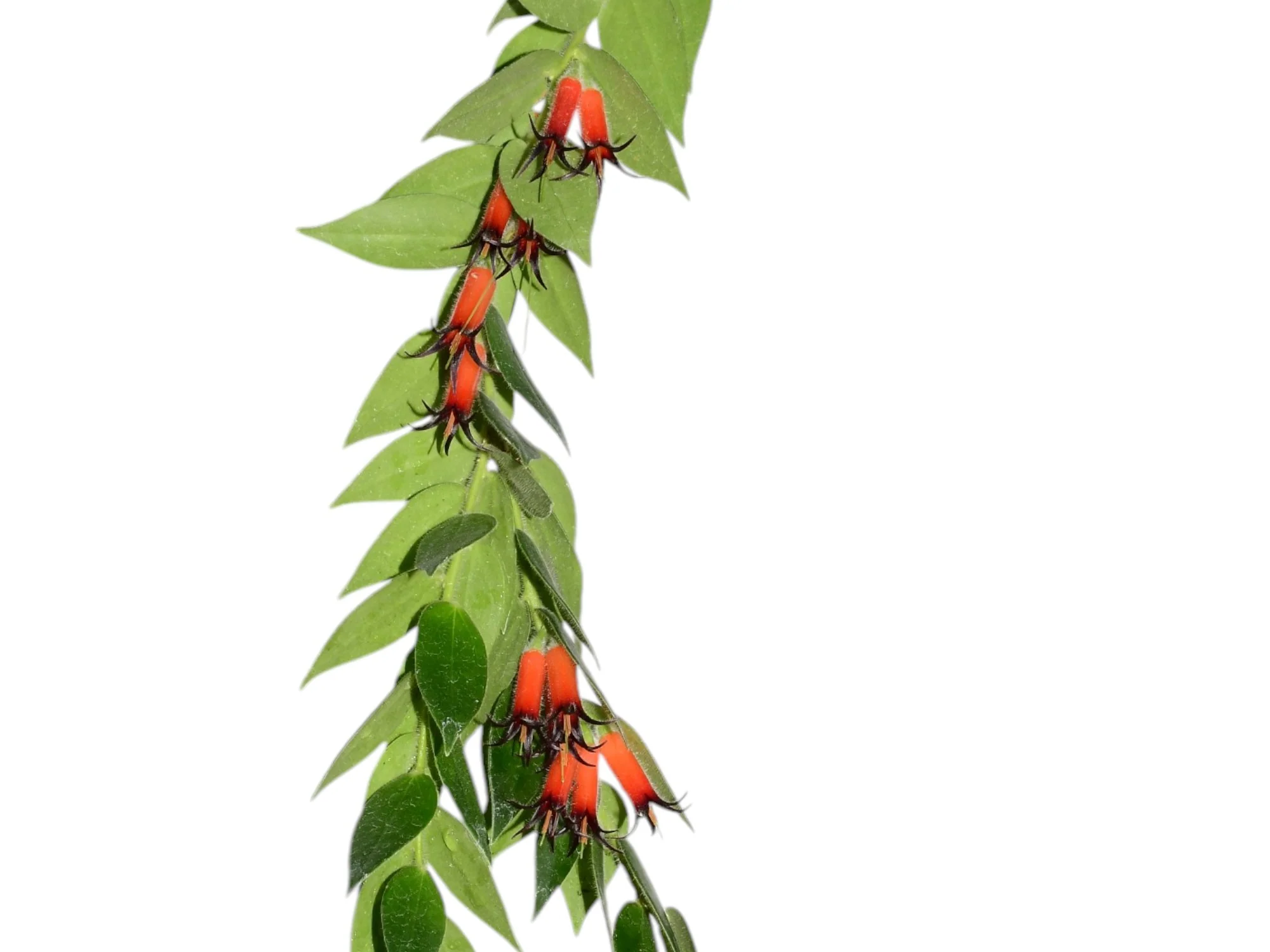
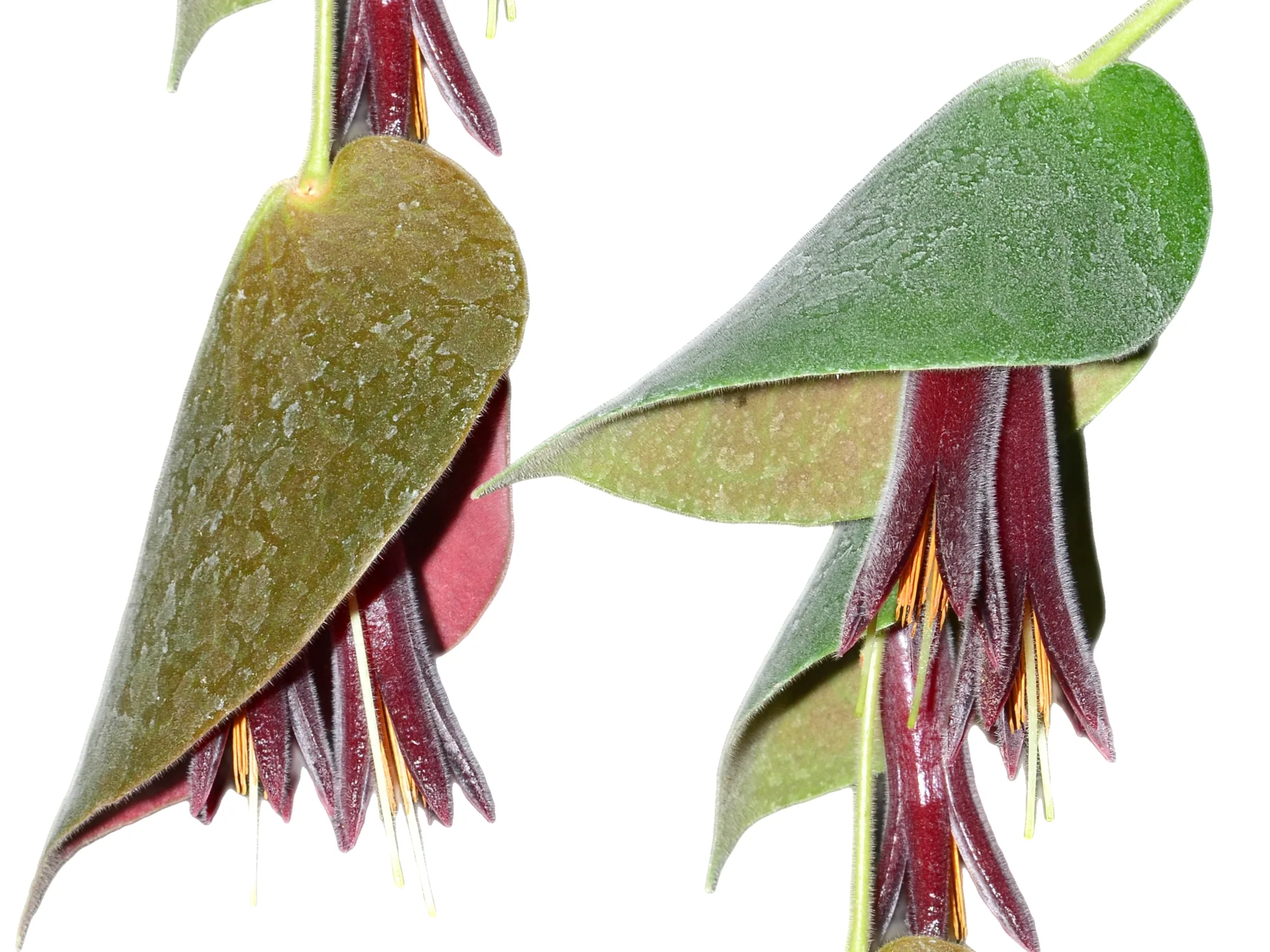
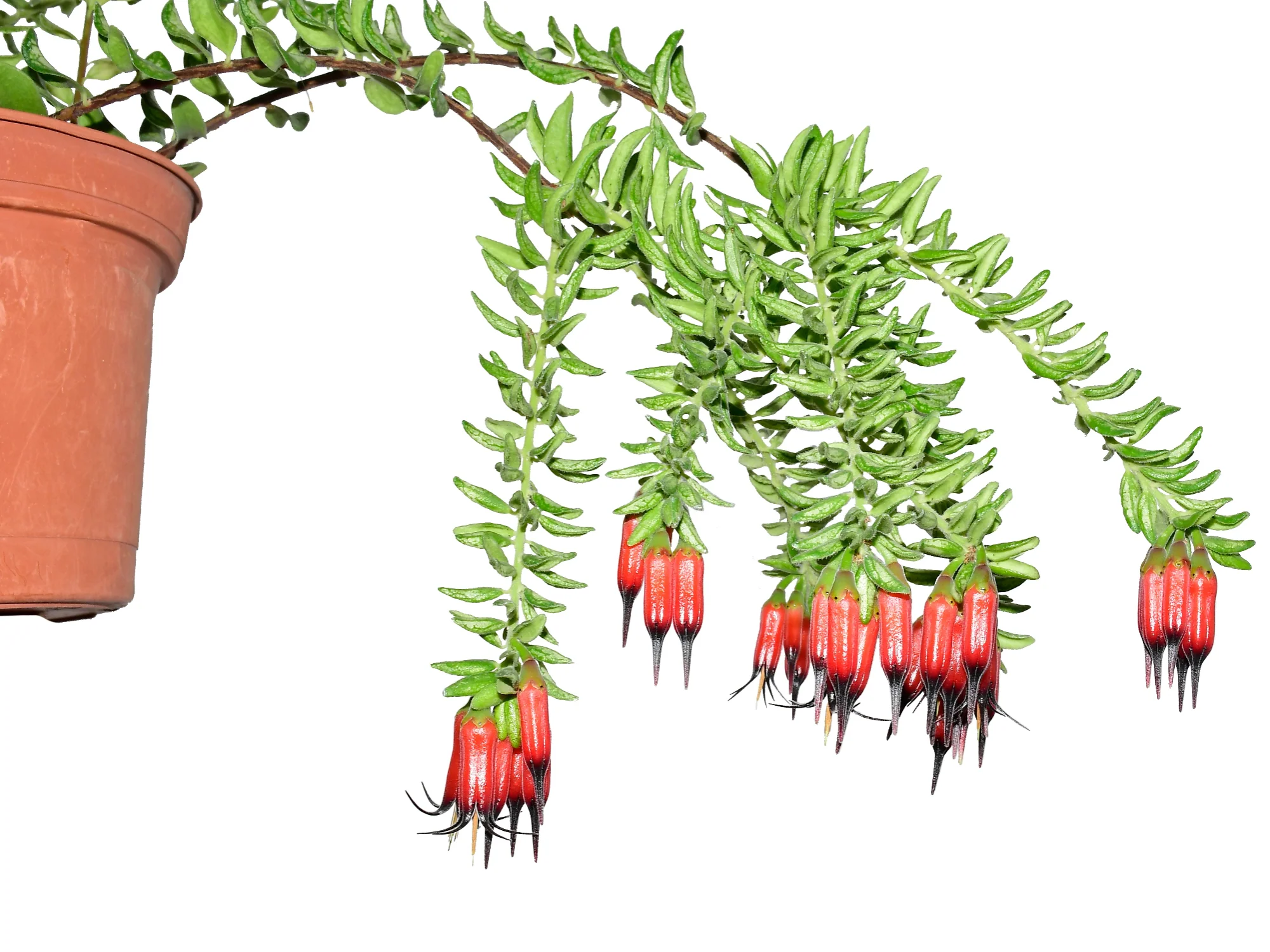
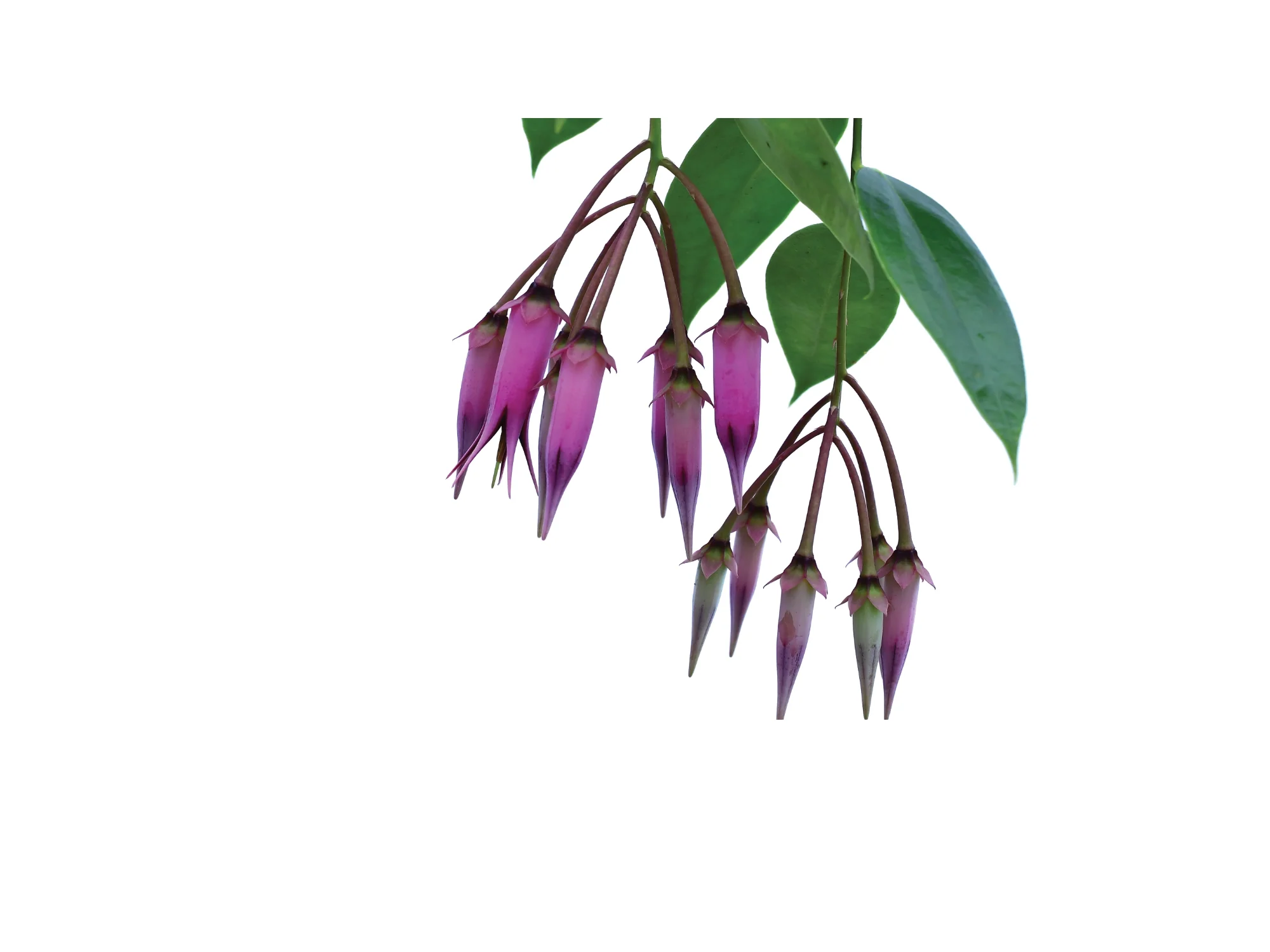
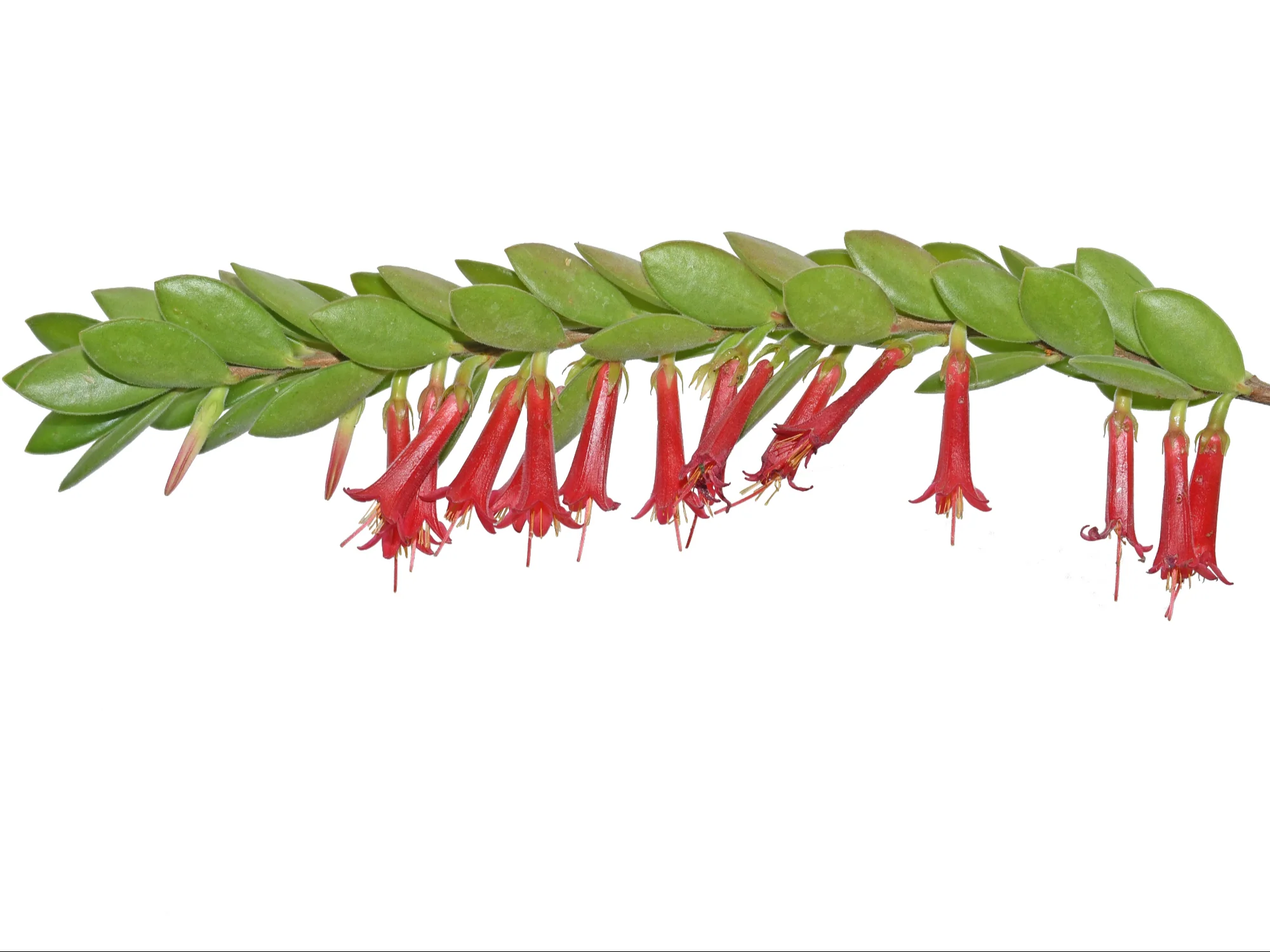
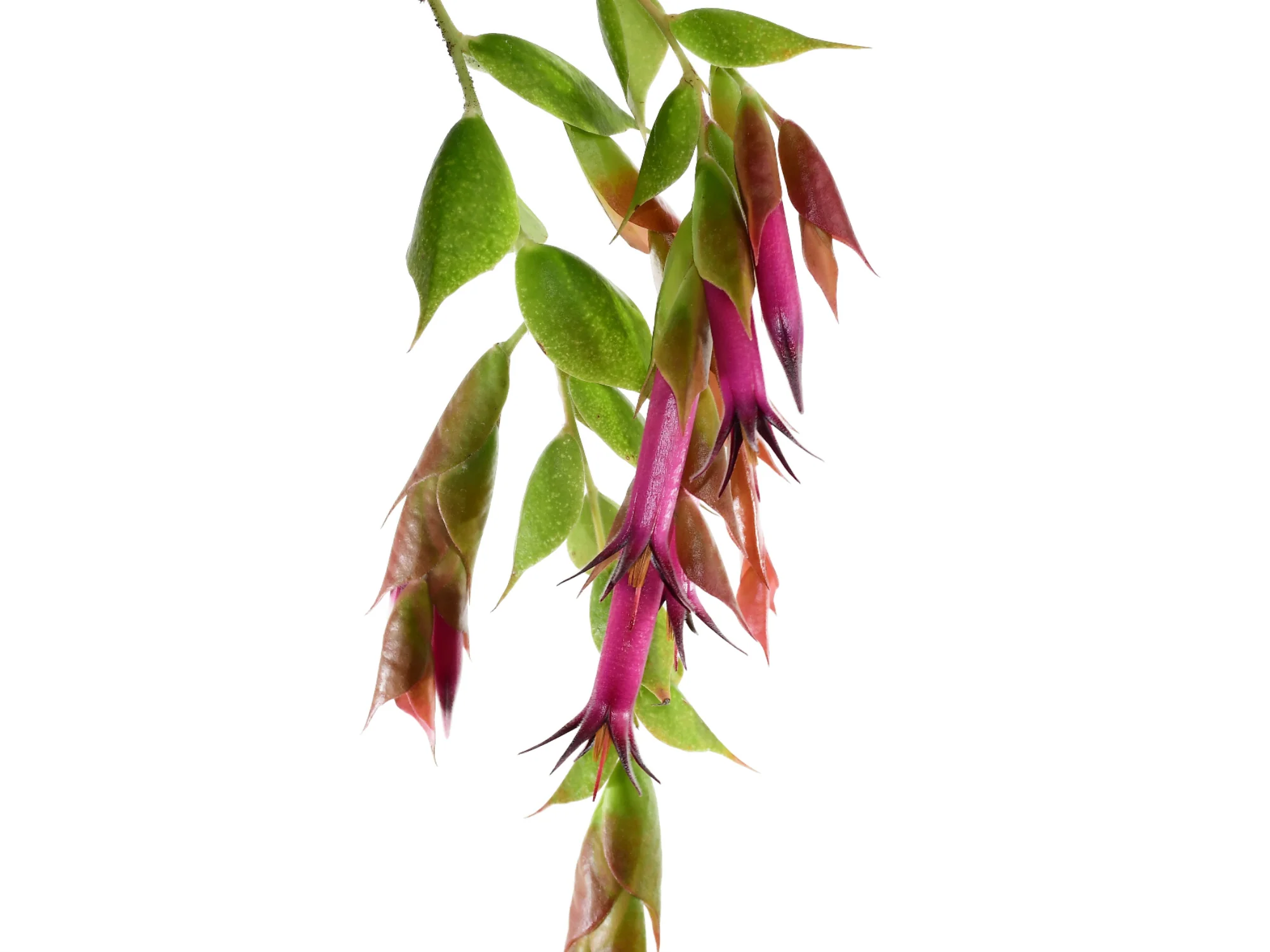
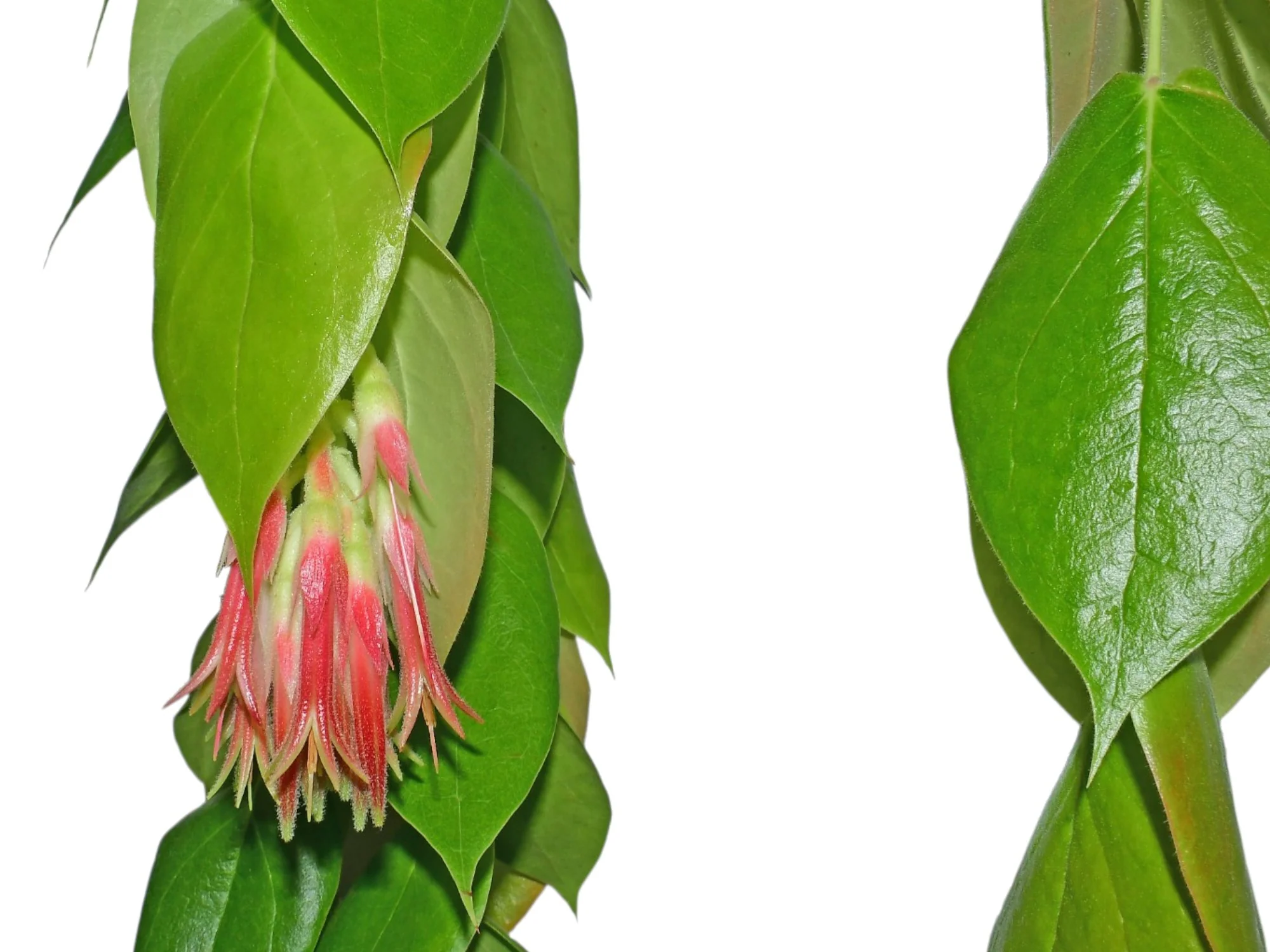
The flowers of Ceratostema pedunculatum are usually cylindrical in shape and are often vibrant, pink to purple, with long-acuminate lanceolate lobes.
Ceratostema pedunculatum Culture
Explore Ceratostema pedunculatum, a well-established and striking species within the Ericaceae family, known for its elegant, pendent flowers. This plant is a significant component of the Andean cloud forest flora.
Cultivation Notes:
- Light: Provide bright, indirect light. Filtered sunlight is ideal, mimicking the dappled light found under a forest canopy. Direct, intense sunlight can easily scorch its delicate foliage.
- Temperature: These plants generally prefer cool to intermediate temperatures. Aim for daytime temperatures between 18-25°C (65-77°F) and a distinct nighttime drop to 10-16°C (50-60°F).
- Humidity: High humidity is essential, ideally maintaining levels of 60-80% or more. These plants are adapted to very moist environments.
- Watering: Keep the plant consistently moist but never waterlogged. Water thoroughly when the top layer of the substrate feels slightly dry, allowing all excess water to drain completely.
- Ventilation: Excellent air circulation is crucial to prevent fungal and bacterial diseases, especially in high-humidity environments. Stagnant, humid air is a common cause of rot. A gentle fan can be very beneficial.
The flowers of Ceratostema pedunculatum are usually cylindrical in shape and are often vibrant, pink to purple, with long-acuminate lanceolate lobes.
Original: $75.00
-65%$75.00
$26.25Description
Ceratostema pedunculatum Culture
Explore Ceratostema pedunculatum, a well-established and striking species within the Ericaceae family, known for its elegant, pendent flowers. This plant is a significant component of the Andean cloud forest flora.
Cultivation Notes:
- Light: Provide bright, indirect light. Filtered sunlight is ideal, mimicking the dappled light found under a forest canopy. Direct, intense sunlight can easily scorch its delicate foliage.
- Temperature: These plants generally prefer cool to intermediate temperatures. Aim for daytime temperatures between 18-25°C (65-77°F) and a distinct nighttime drop to 10-16°C (50-60°F).
- Humidity: High humidity is essential, ideally maintaining levels of 60-80% or more. These plants are adapted to very moist environments.
- Watering: Keep the plant consistently moist but never waterlogged. Water thoroughly when the top layer of the substrate feels slightly dry, allowing all excess water to drain completely.
- Ventilation: Excellent air circulation is crucial to prevent fungal and bacterial diseases, especially in high-humidity environments. Stagnant, humid air is a common cause of rot. A gentle fan can be very beneficial.
The flowers of Ceratostema pedunculatum are usually cylindrical in shape and are often vibrant, pink to purple, with long-acuminate lanceolate lobes.