Aspasia psittacina
Aspasia psittacina Culture:
Successful cultivation of the vibrant Aspasia psittacina. Here are some important cultural tips to ensure its thriving growth:
- Light: Aspasia psittacina prefers bright, indirect light. It can tolerate some direct sun in the morning or late afternoon, but avoid strong midday sun.
- Temperature: This orchid enjoys warm to intermediate temperatures. Daytime temperatures should be between 20-30°C (68-86°F), and nighttime temperatures should not fall below 15°C (59°F).
- Humidity: Aspasia psittacina likes high humidity, between 70-80%. You can achieve this by using humidifiers, misting regularly, or placing the plant on a humidity tray.
- Watering: Water frequently during the active growing season, allowing the substrate to dry slightly between waterings. Reduce watering in winter.
Additional Notes:
- It is an epiphytic orchid, meaning it naturally grows on trees.
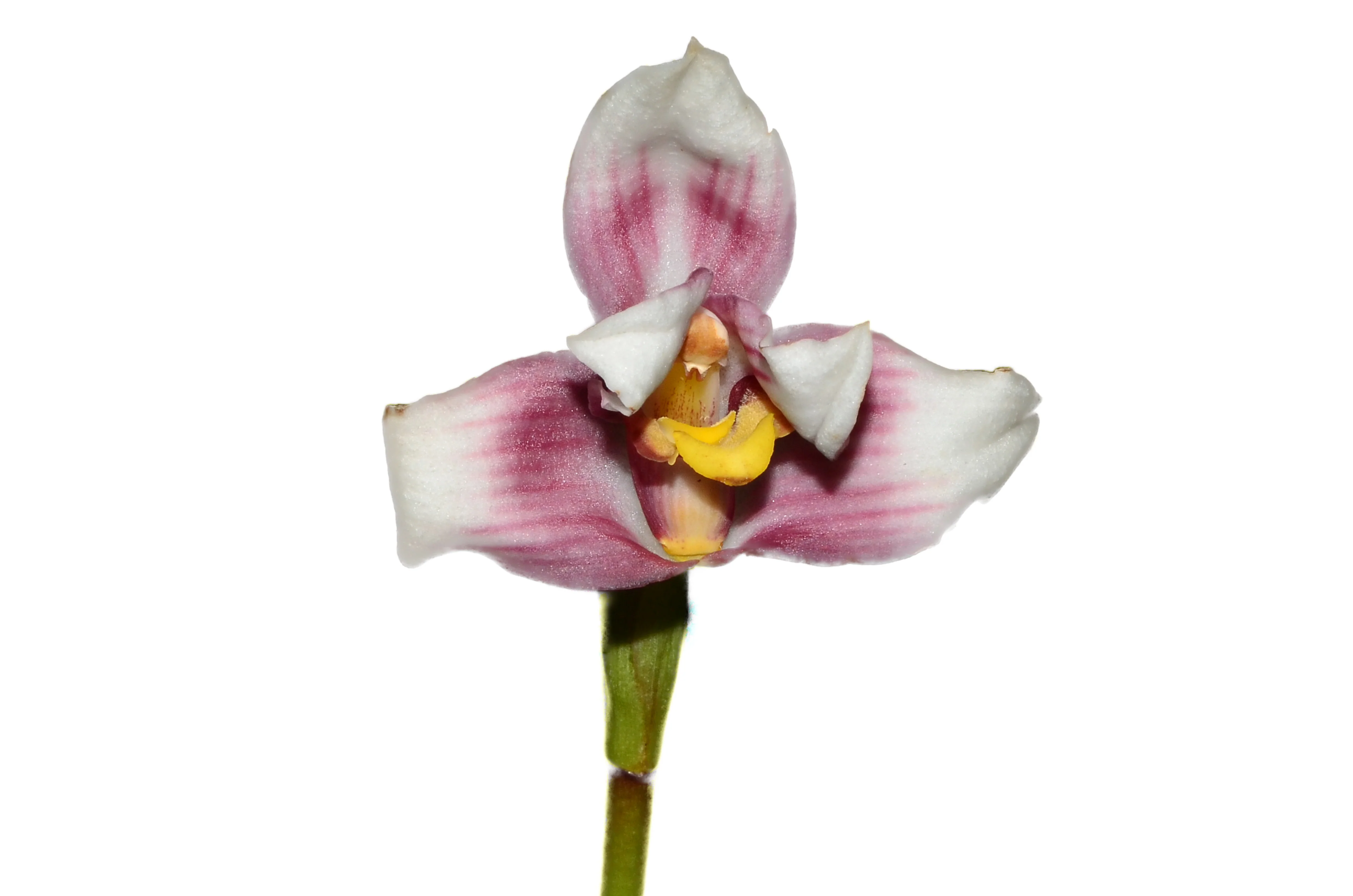
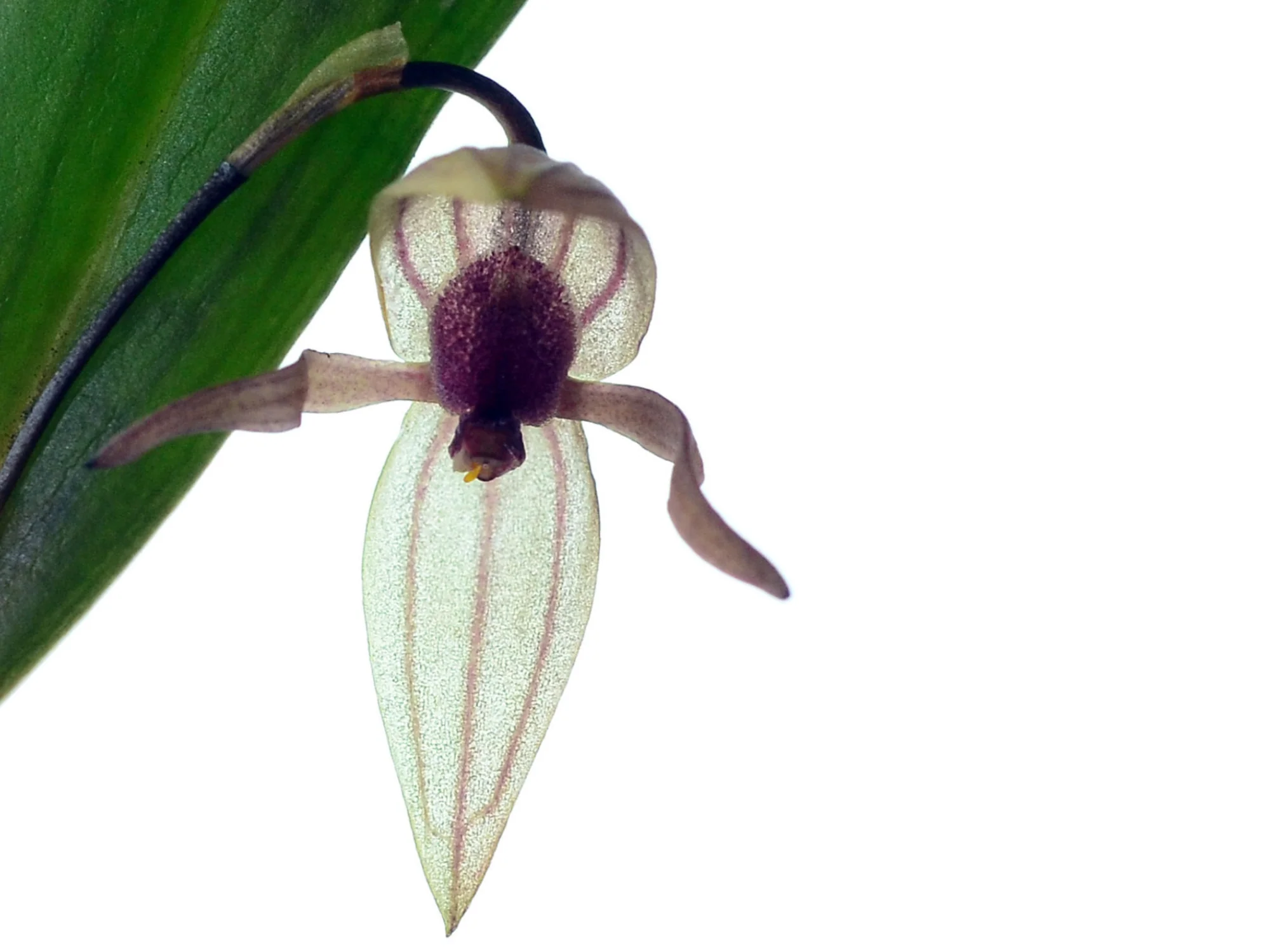
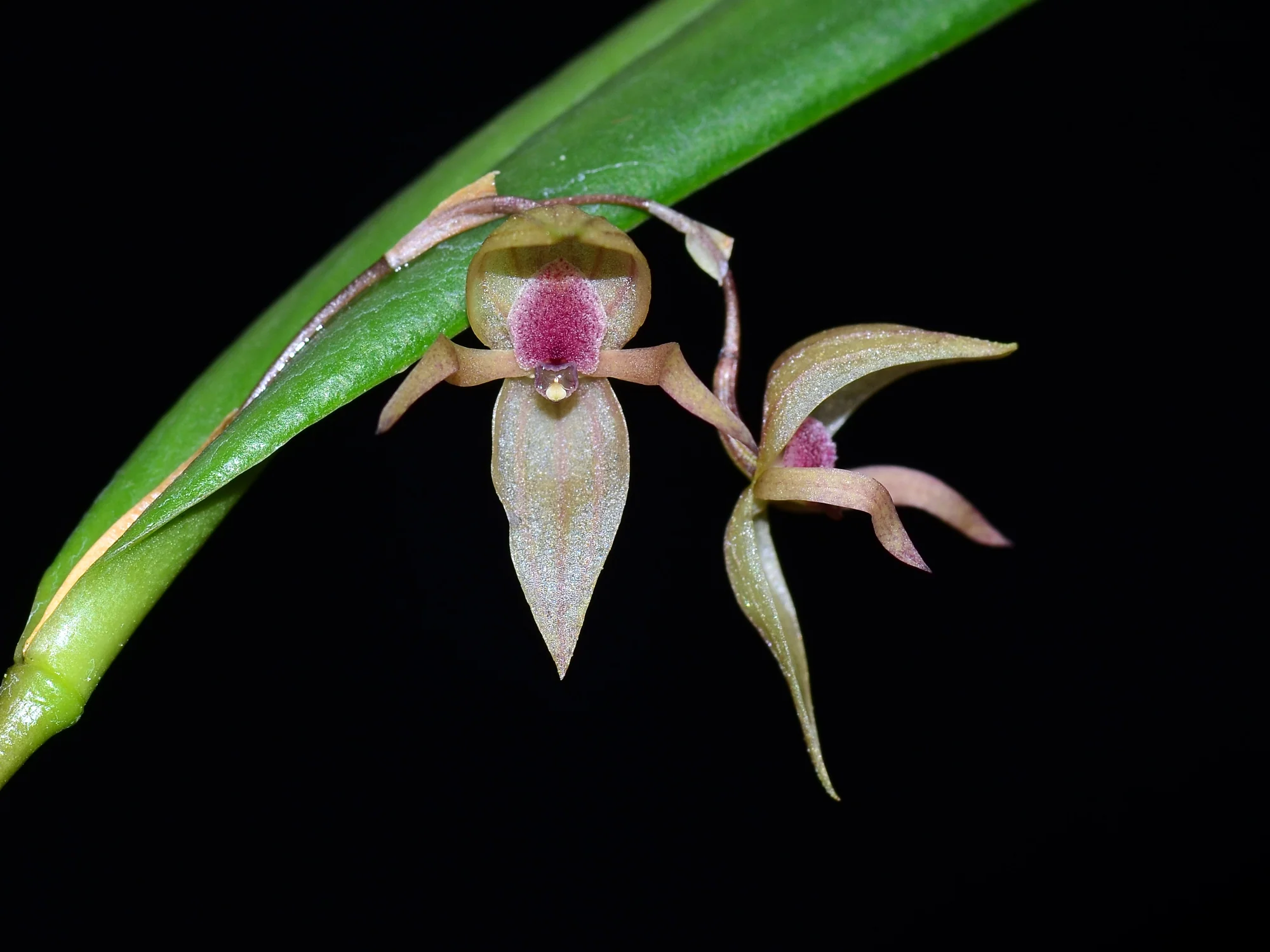
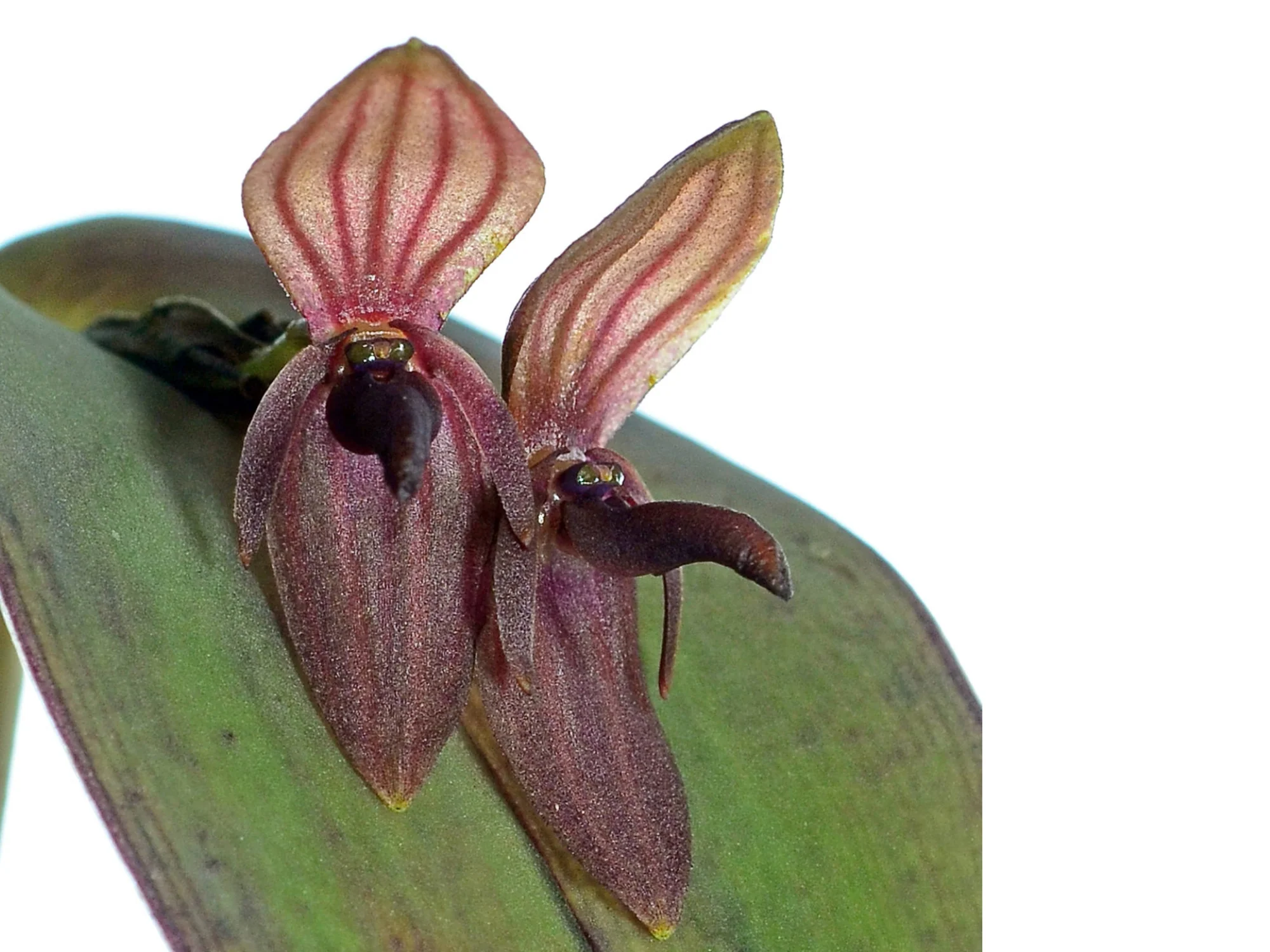
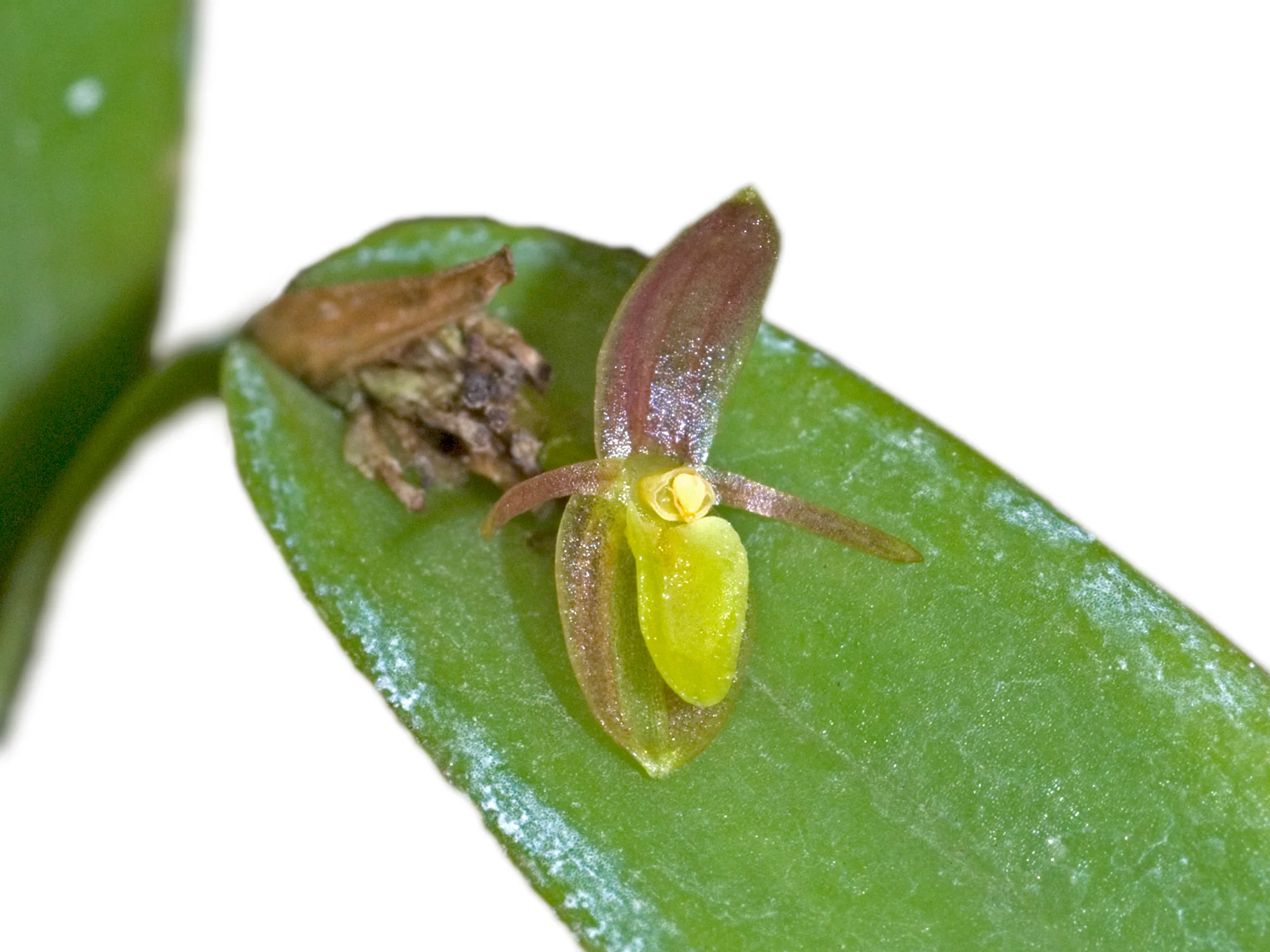
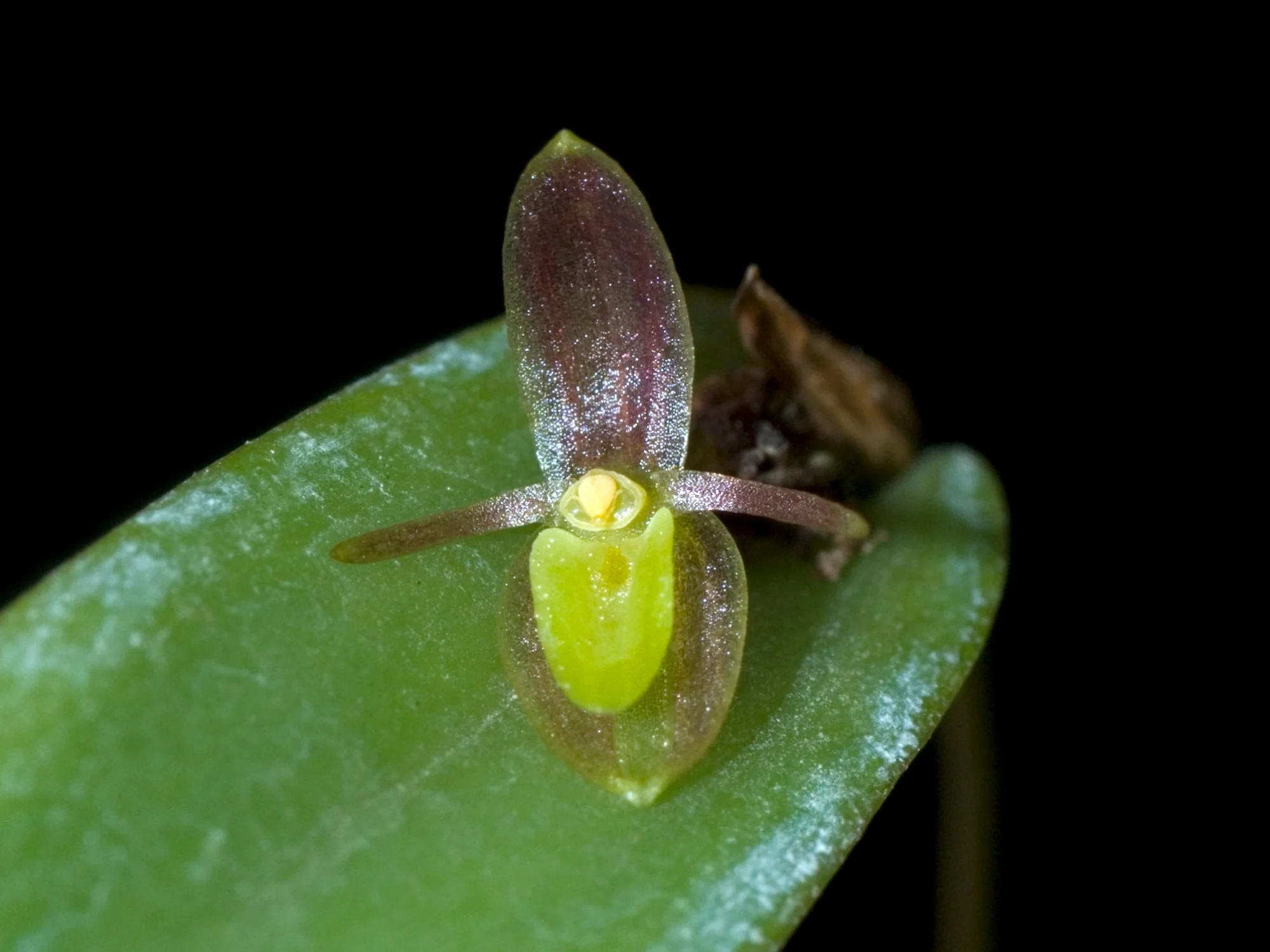
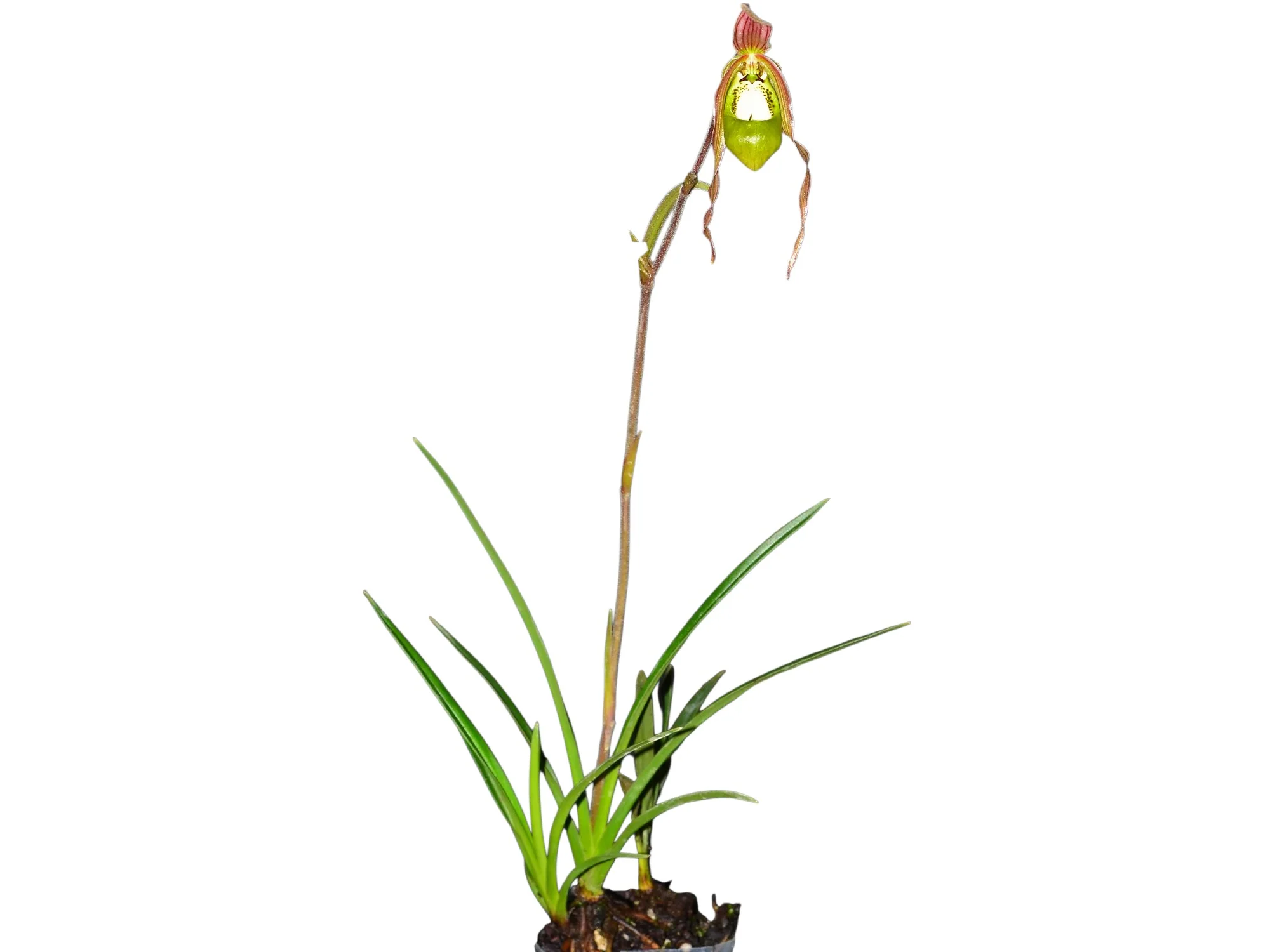
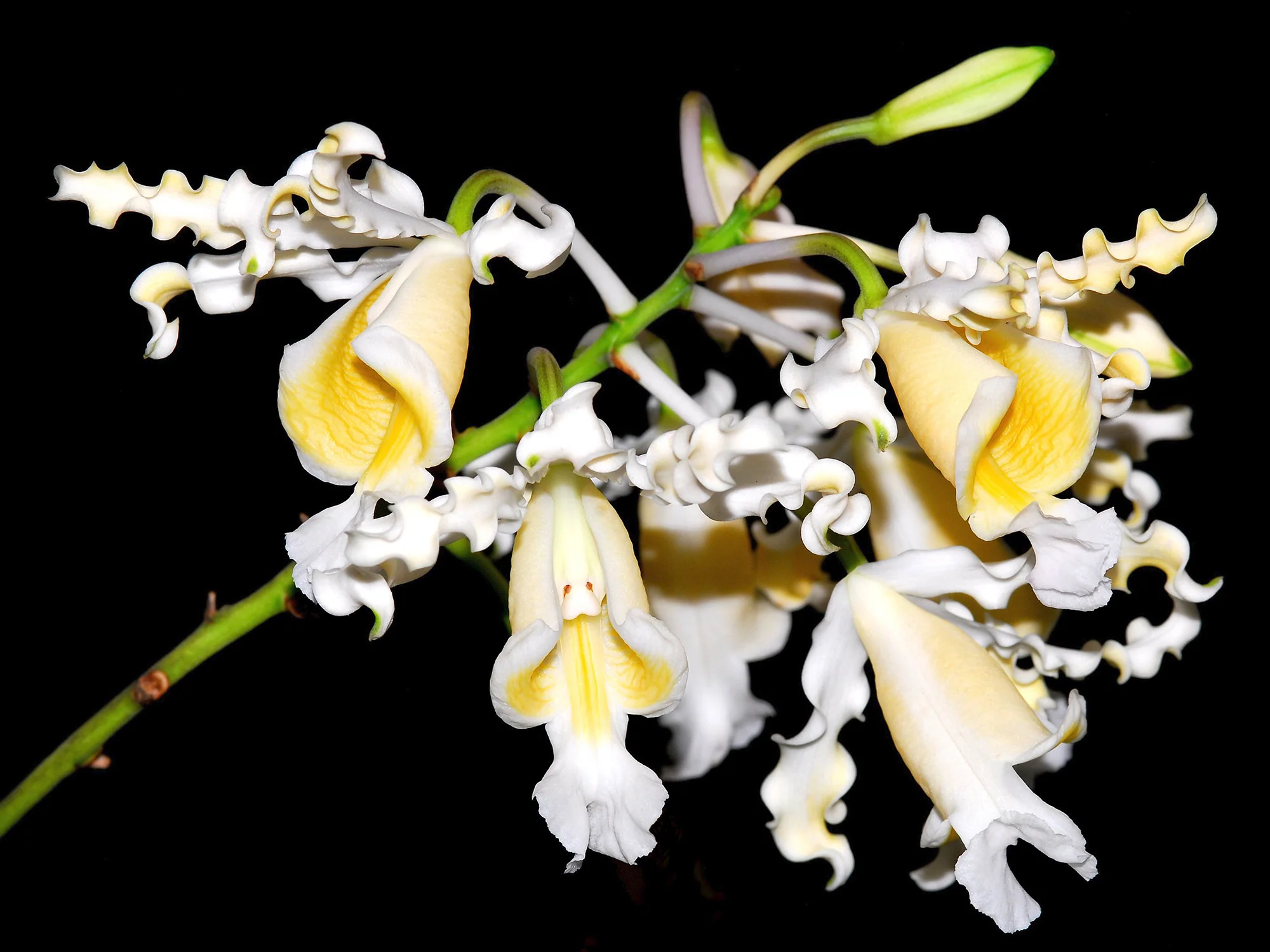
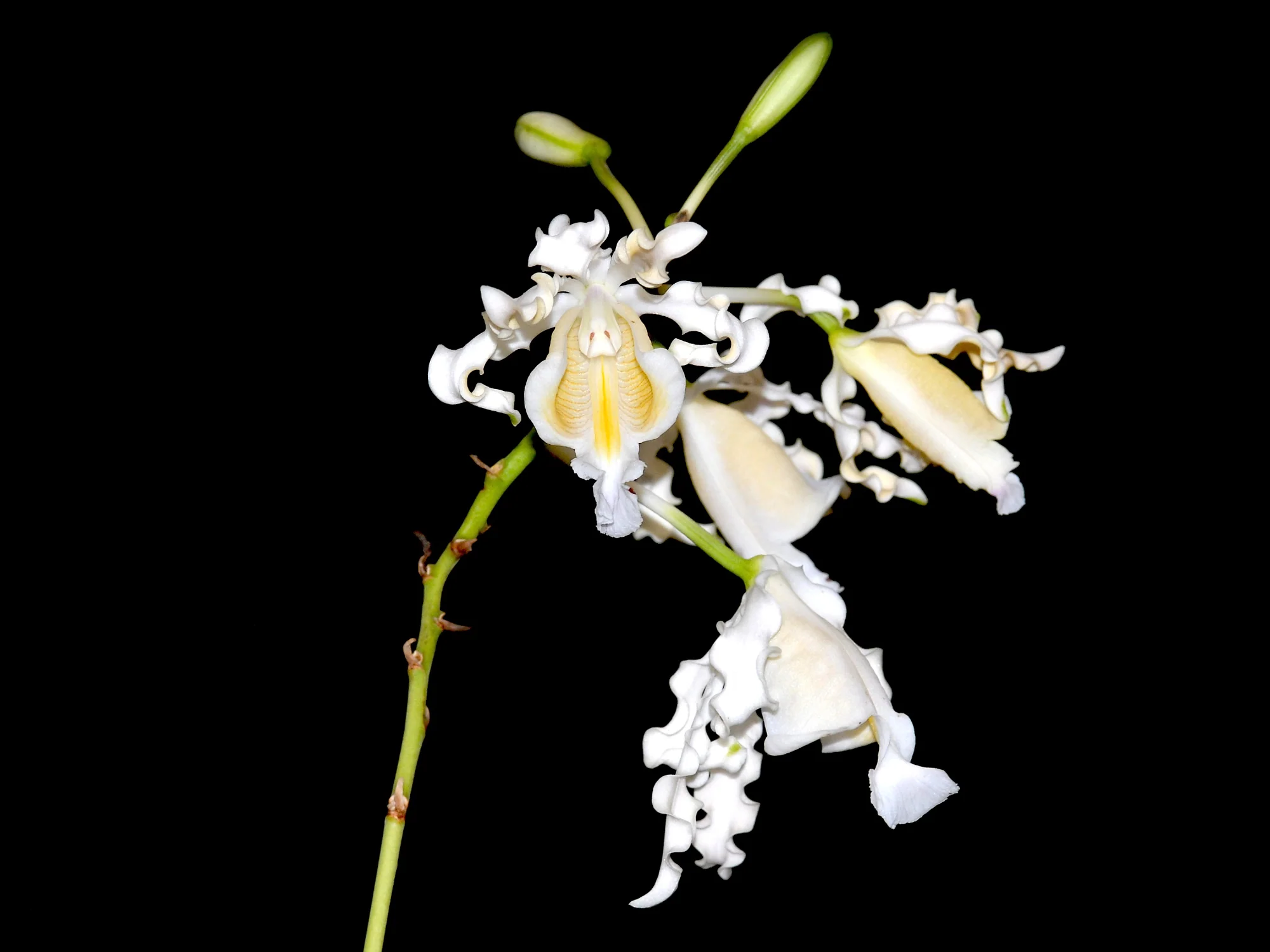
- The name "psittacina" refers to the parrot-like colors of the flower, which are often yellow with red-brown markings.
- It produces fragrant flowers that bloom in succession over a long period.
- It prefers to be grown in small pots.
Aspasia psittacina Culture:
Successful cultivation of the vibrant Aspasia psittacina. Here are some important cultural tips to ensure its thriving growth:
- Light: Aspasia psittacina prefers bright, indirect light. It can tolerate some direct sun in the morning or late afternoon, but avoid strong midday sun.
- Temperature: This orchid enjoys warm to intermediate temperatures. Daytime temperatures should be between 20-30°C (68-86°F), and nighttime temperatures should not fall below 15°C (59°F).
- Humidity: Aspasia psittacina likes high humidity, between 70-80%. You can achieve this by using humidifiers, misting regularly, or placing the plant on a humidity tray.
- Watering: Water frequently during the active growing season, allowing the substrate to dry slightly between waterings. Reduce watering in winter.
Additional Notes:
- It is an epiphytic orchid, meaning it naturally grows on trees.
- The name "psittacina" refers to the parrot-like colors of the flower, which are often yellow with red-brown markings.
- It produces fragrant flowers that bloom in succession over a long period.
- It prefers to be grown in small pots.
$7.00
Original: $20.00
-65%Aspasia psittacina—
$20.00
$7.00Description
Aspasia psittacina Culture:
Successful cultivation of the vibrant Aspasia psittacina. Here are some important cultural tips to ensure its thriving growth:
- Light: Aspasia psittacina prefers bright, indirect light. It can tolerate some direct sun in the morning or late afternoon, but avoid strong midday sun.
- Temperature: This orchid enjoys warm to intermediate temperatures. Daytime temperatures should be between 20-30°C (68-86°F), and nighttime temperatures should not fall below 15°C (59°F).
- Humidity: Aspasia psittacina likes high humidity, between 70-80%. You can achieve this by using humidifiers, misting regularly, or placing the plant on a humidity tray.
- Watering: Water frequently during the active growing season, allowing the substrate to dry slightly between waterings. Reduce watering in winter.
Additional Notes:
- It is an epiphytic orchid, meaning it naturally grows on trees.
- The name "psittacina" refers to the parrot-like colors of the flower, which are often yellow with red-brown markings.
- It produces fragrant flowers that bloom in succession over a long period.
- It prefers to be grown in small pots.