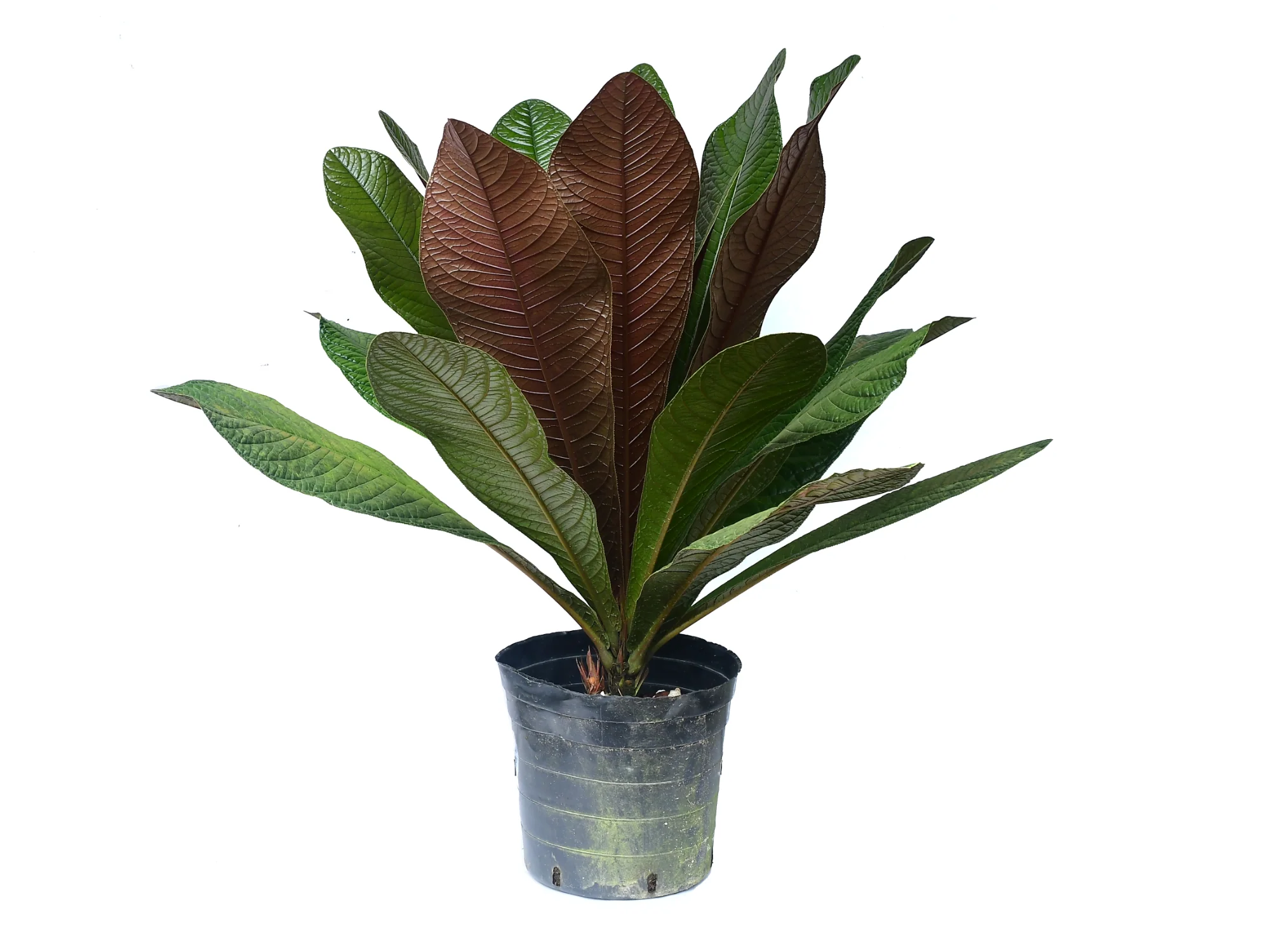
Cybianthus anthuriophyllus
Cybianthus anthuriophyllus Culture
Cybianthus anthuriophyllus is a notable species within the Primulaceae family (formerly Myrsinoideae), distinguished by its persistent, dark green, leathery foliage, and a structural appearance that often resembles certain Araceae (such as the genus Anthurium), from which its specific name ("with Anthurium leaves") derives.
- Light: This plant prefers bright, indirect light or filtered light. In its natural habitat, it grows under the forest canopy, so it must be protected from intense direct sunlight, which can easily scorch its leaves. .
- Temperature: This species thrives in warm to intermediate conditions. Ideal Daytime Temperatures: 20-28°C. Nighttime Temperatures: Should not drop below 15°C. Avoiding extreme cold and cold drafts is crucial.
- Humidity: High humidity is required for optimal growth, ideally between 60% and 80%. Low ambient humidity can cause the leaf edges to dry out or become brittle.
- Watering: The substrate or potting medium must be kept consistently moist, but never waterlogged. Ensuring good drainage is essential. During periods of active growth (spring/summer), watering should be more frequent.
Additional Notes:
-
Flowers: It produces small, whitish or greenish flowers that are often grouped in panicles or clusters, although the primary attraction of this species is its foliage.
-
Propagation: It is mainly propagated by seeds.
Cybianthus anthuriophyllus Culture
Cybianthus anthuriophyllus is a notable species within the Primulaceae family (formerly Myrsinoideae), distinguished by its persistent, dark green, leathery foliage, and a structural appearance that often resembles certain Araceae (such as the genus Anthurium), from which its specific name ("with Anthurium leaves") derives.
- Light: This plant prefers bright, indirect light or filtered light. In its natural habitat, it grows under the forest canopy, so it must be protected from intense direct sunlight, which can easily scorch its leaves. .
- Temperature: This species thrives in warm to intermediate conditions. Ideal Daytime Temperatures: 20-28°C. Nighttime Temperatures: Should not drop below 15°C. Avoiding extreme cold and cold drafts is crucial.
- Humidity: High humidity is required for optimal growth, ideally between 60% and 80%. Low ambient humidity can cause the leaf edges to dry out or become brittle.
- Watering: The substrate or potting medium must be kept consistently moist, but never waterlogged. Ensuring good drainage is essential. During periods of active growth (spring/summer), watering should be more frequent.
Additional Notes:
-
Flowers: It produces small, whitish or greenish flowers that are often grouped in panicles or clusters, although the primary attraction of this species is its foliage.
-
Propagation: It is mainly propagated by seeds.
Description
Cybianthus anthuriophyllus Culture
Cybianthus anthuriophyllus is a notable species within the Primulaceae family (formerly Myrsinoideae), distinguished by its persistent, dark green, leathery foliage, and a structural appearance that often resembles certain Araceae (such as the genus Anthurium), from which its specific name ("with Anthurium leaves") derives.
- Light: This plant prefers bright, indirect light or filtered light. In its natural habitat, it grows under the forest canopy, so it must be protected from intense direct sunlight, which can easily scorch its leaves. .
- Temperature: This species thrives in warm to intermediate conditions. Ideal Daytime Temperatures: 20-28°C. Nighttime Temperatures: Should not drop below 15°C. Avoiding extreme cold and cold drafts is crucial.
- Humidity: High humidity is required for optimal growth, ideally between 60% and 80%. Low ambient humidity can cause the leaf edges to dry out or become brittle.
- Watering: The substrate or potting medium must be kept consistently moist, but never waterlogged. Ensuring good drainage is essential. During periods of active growth (spring/summer), watering should be more frequent.
Additional Notes:
-
Flowers: It produces small, whitish or greenish flowers that are often grouped in panicles or clusters, although the primary attraction of this species is its foliage.
-
Propagation: It is mainly propagated by seeds.