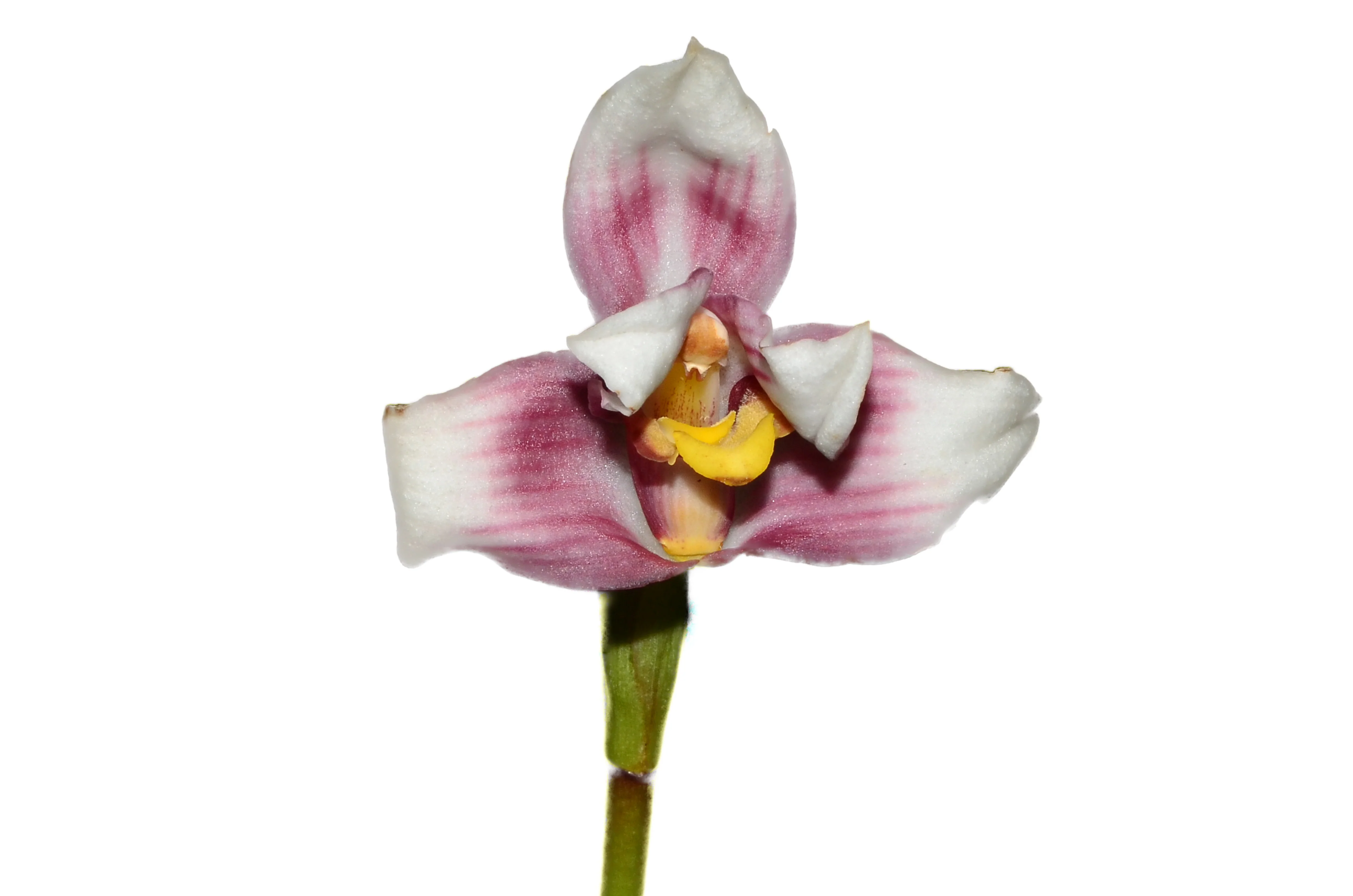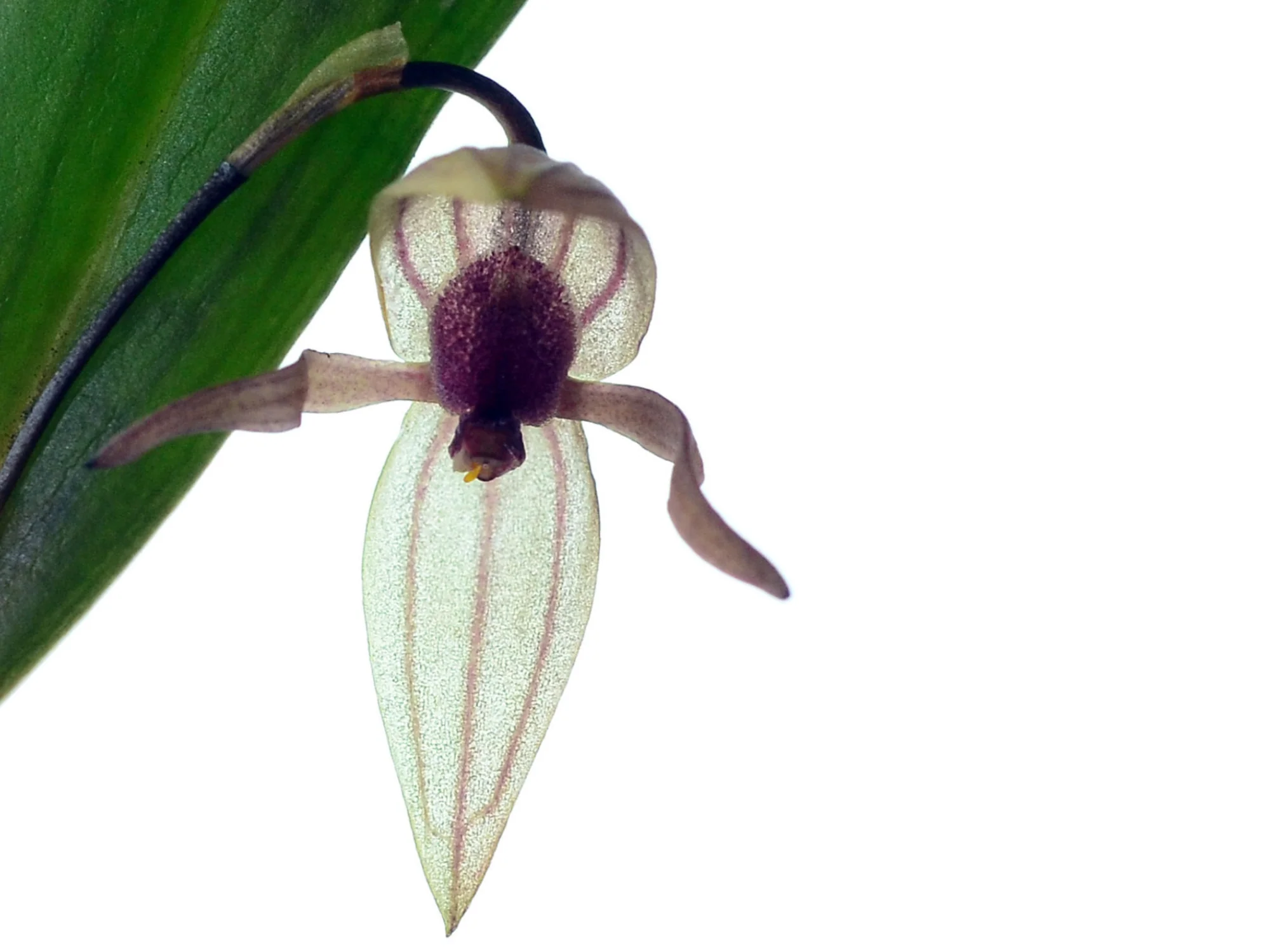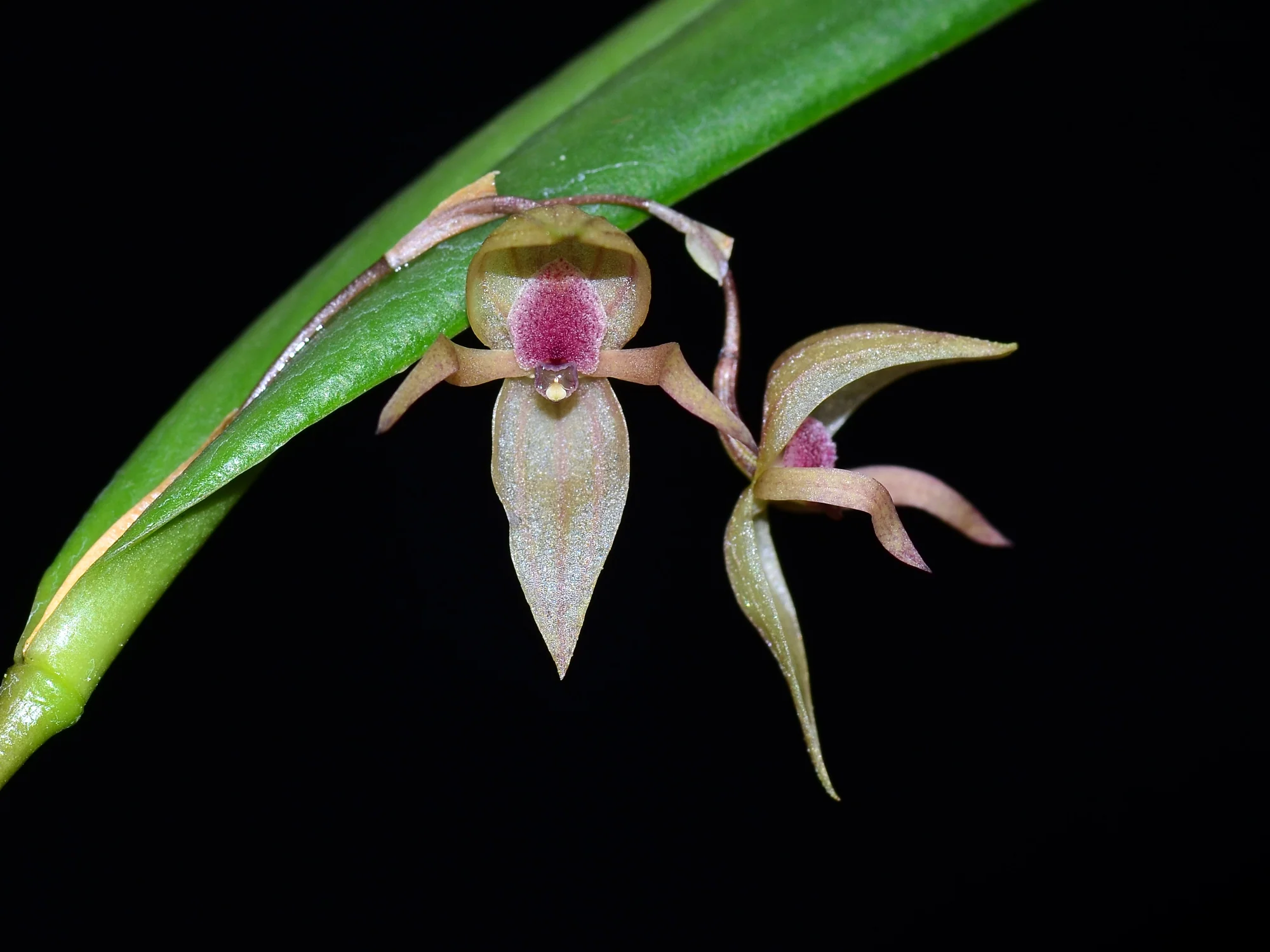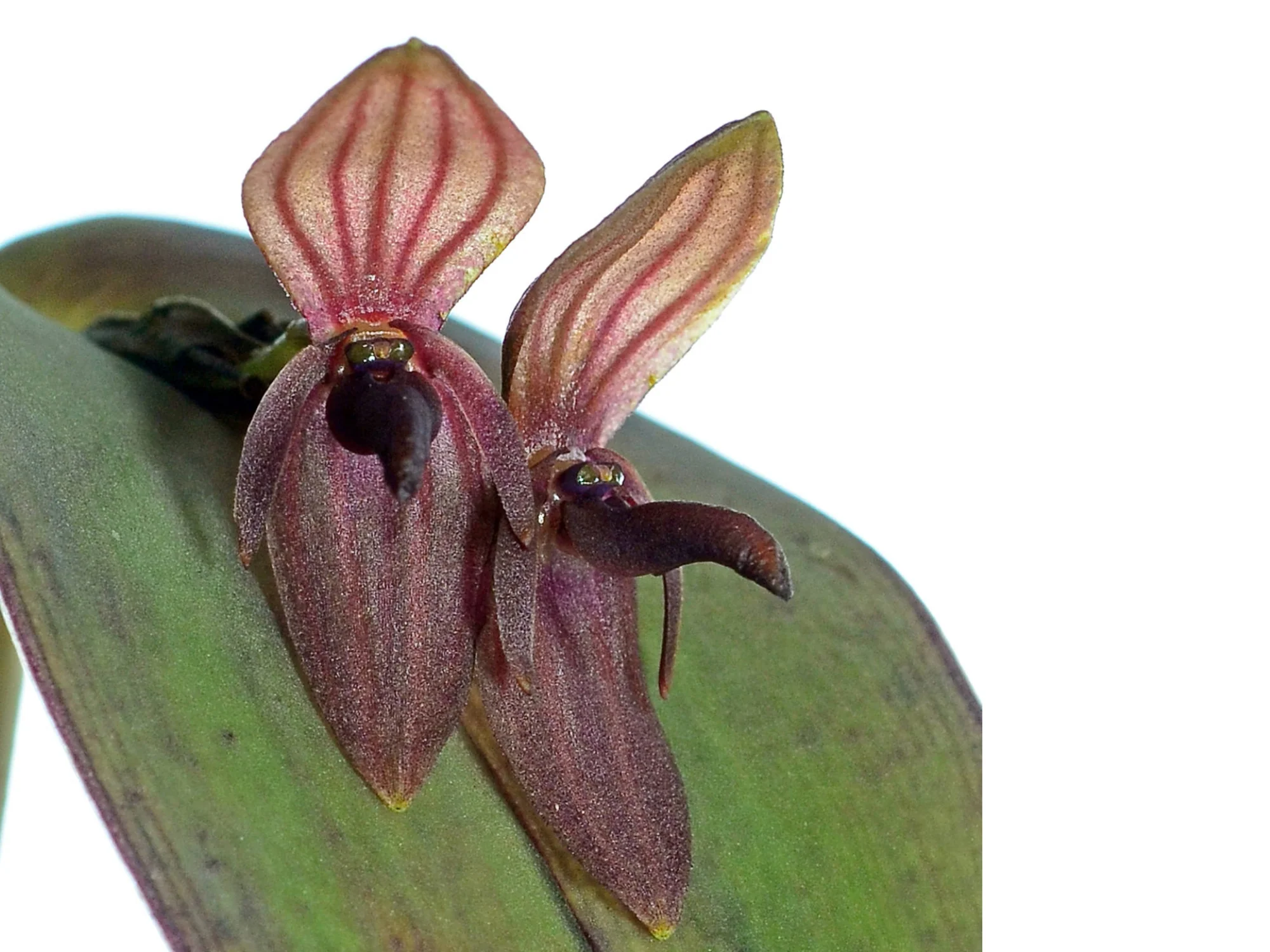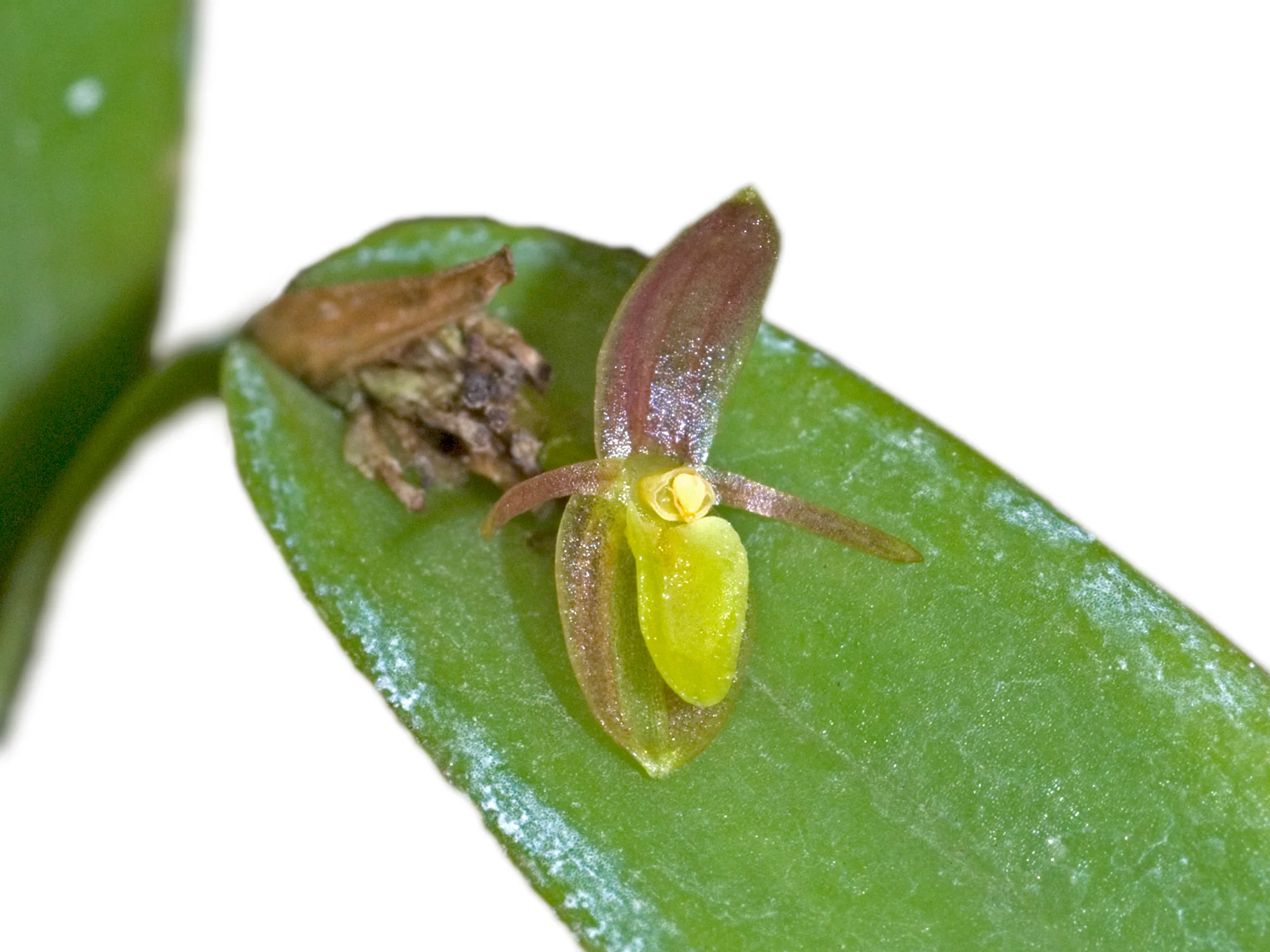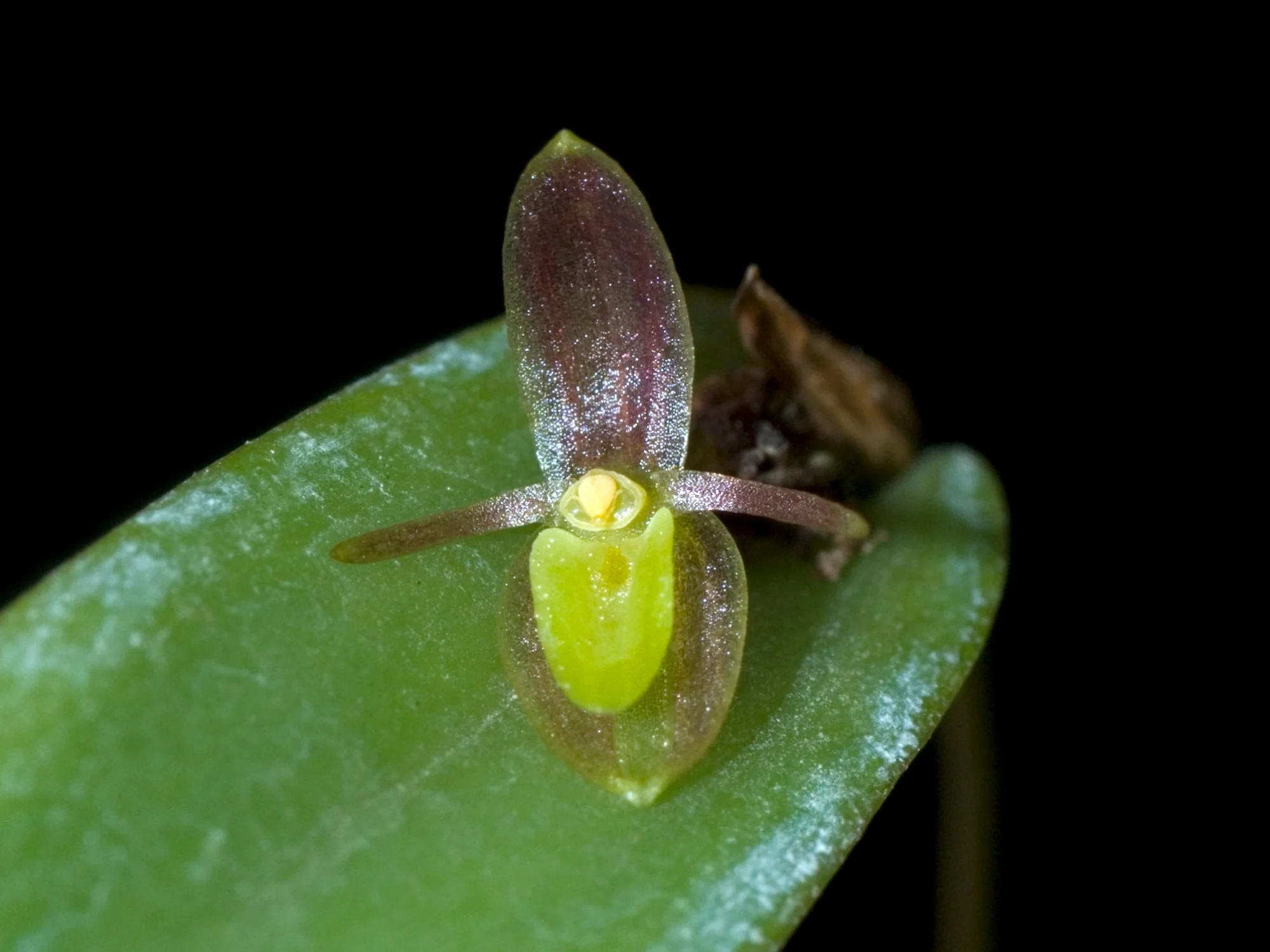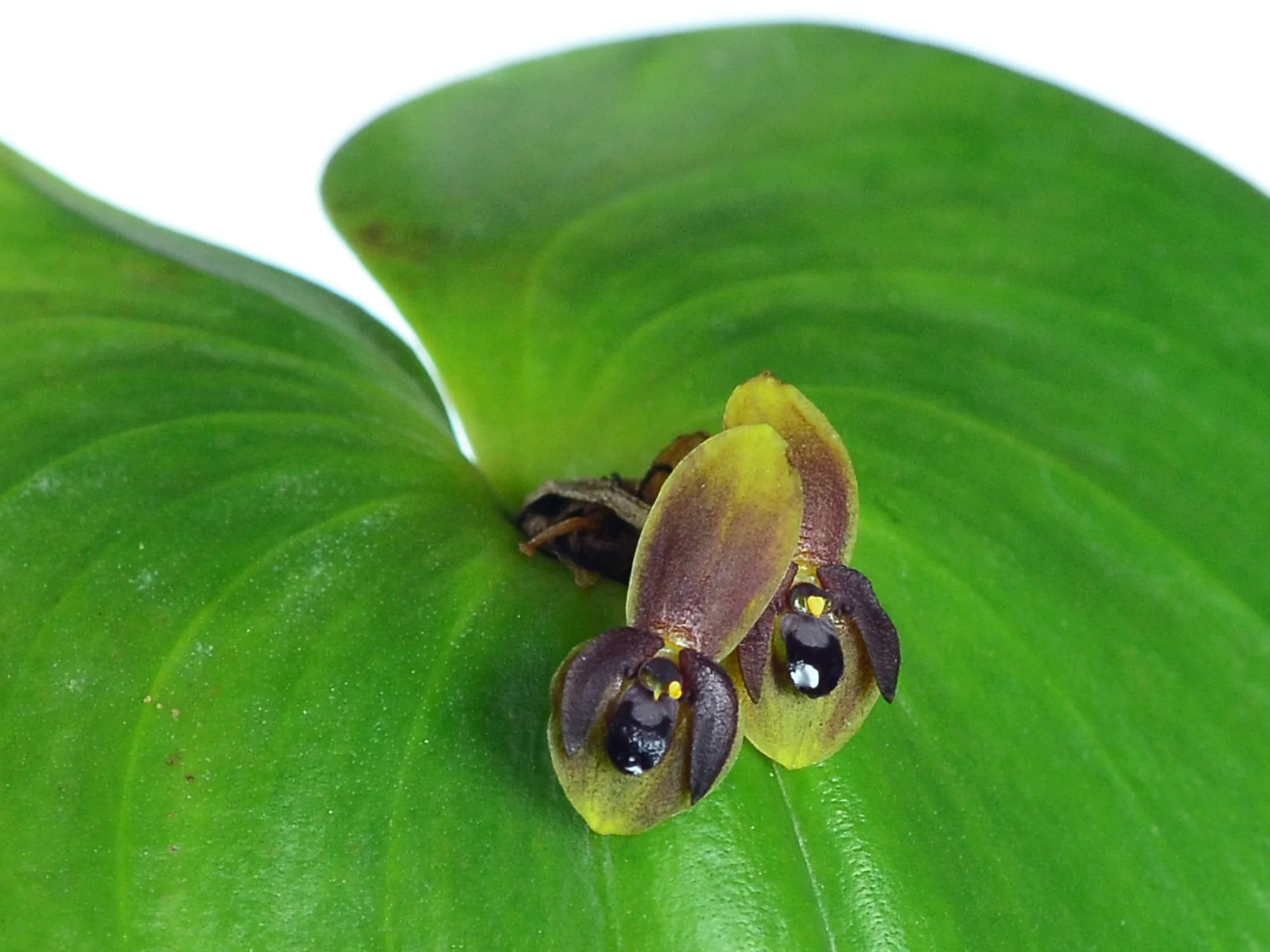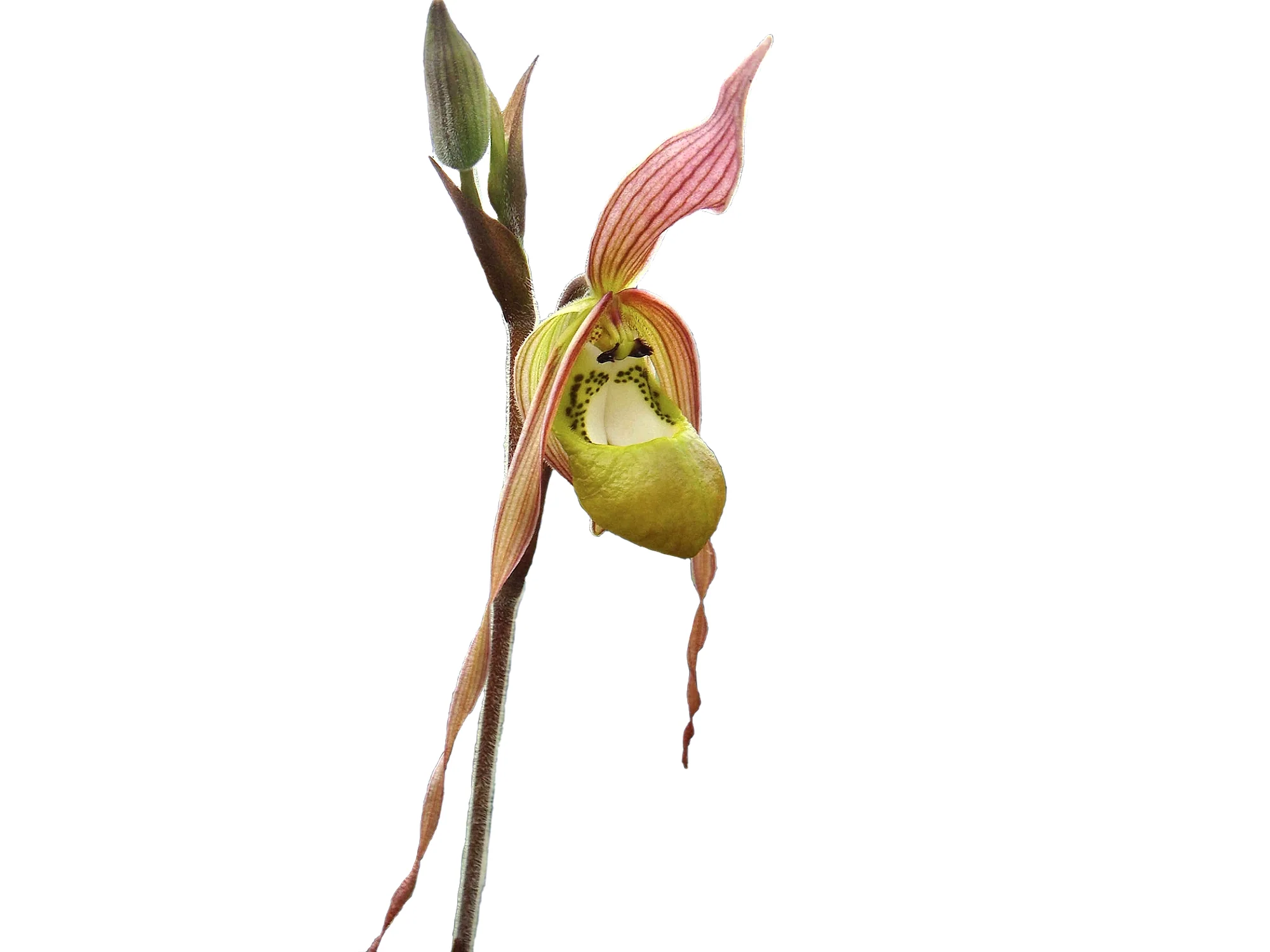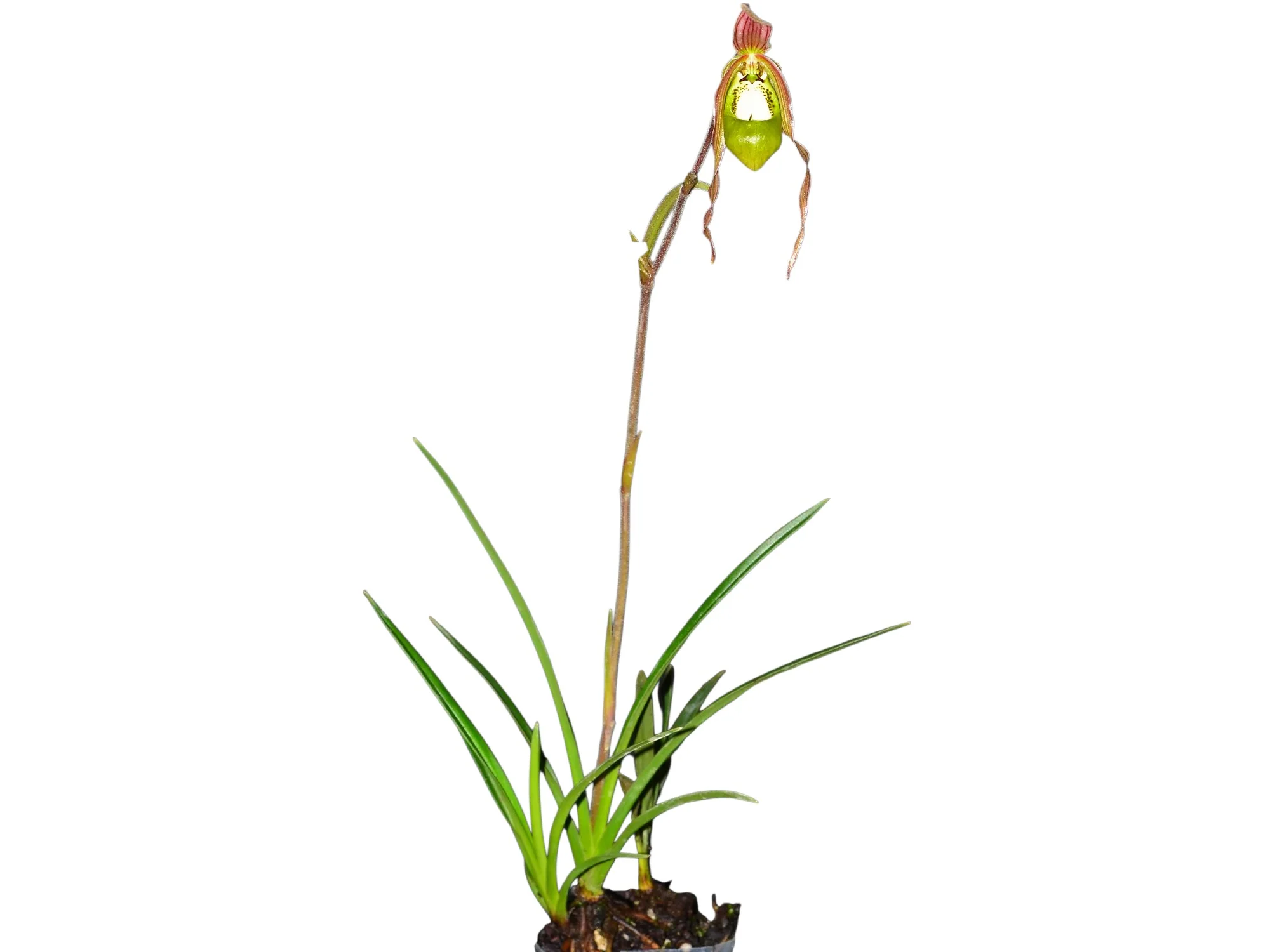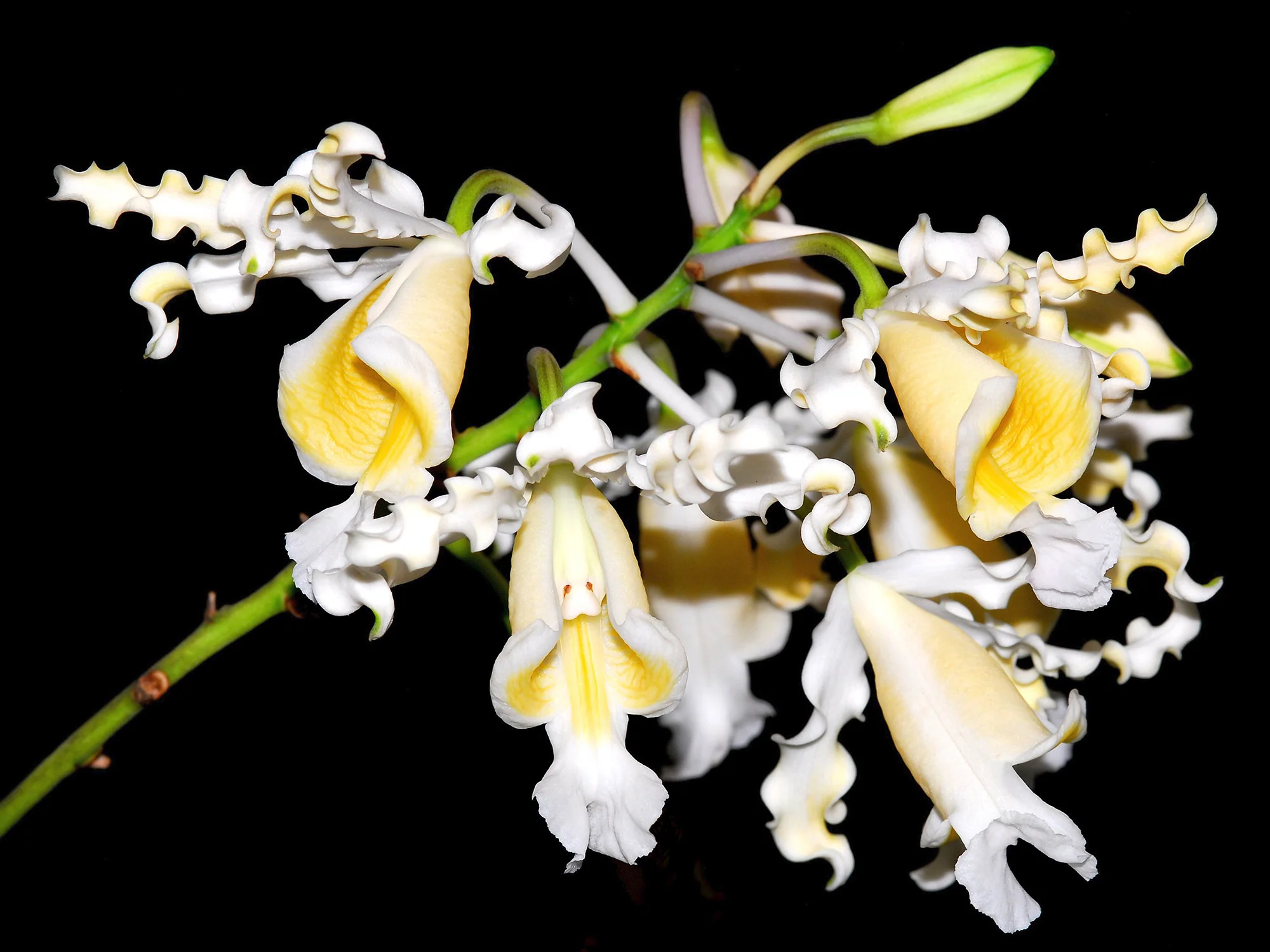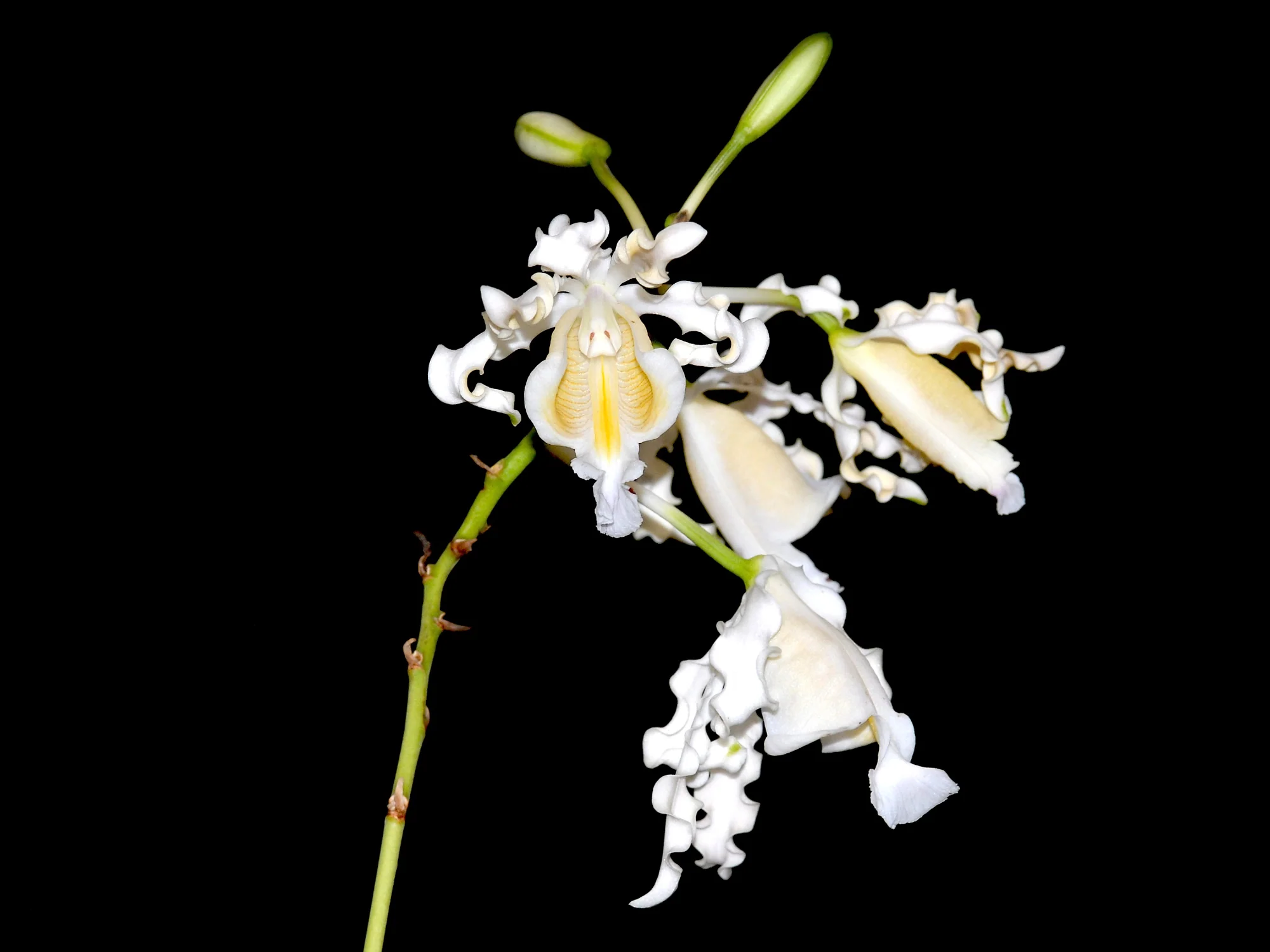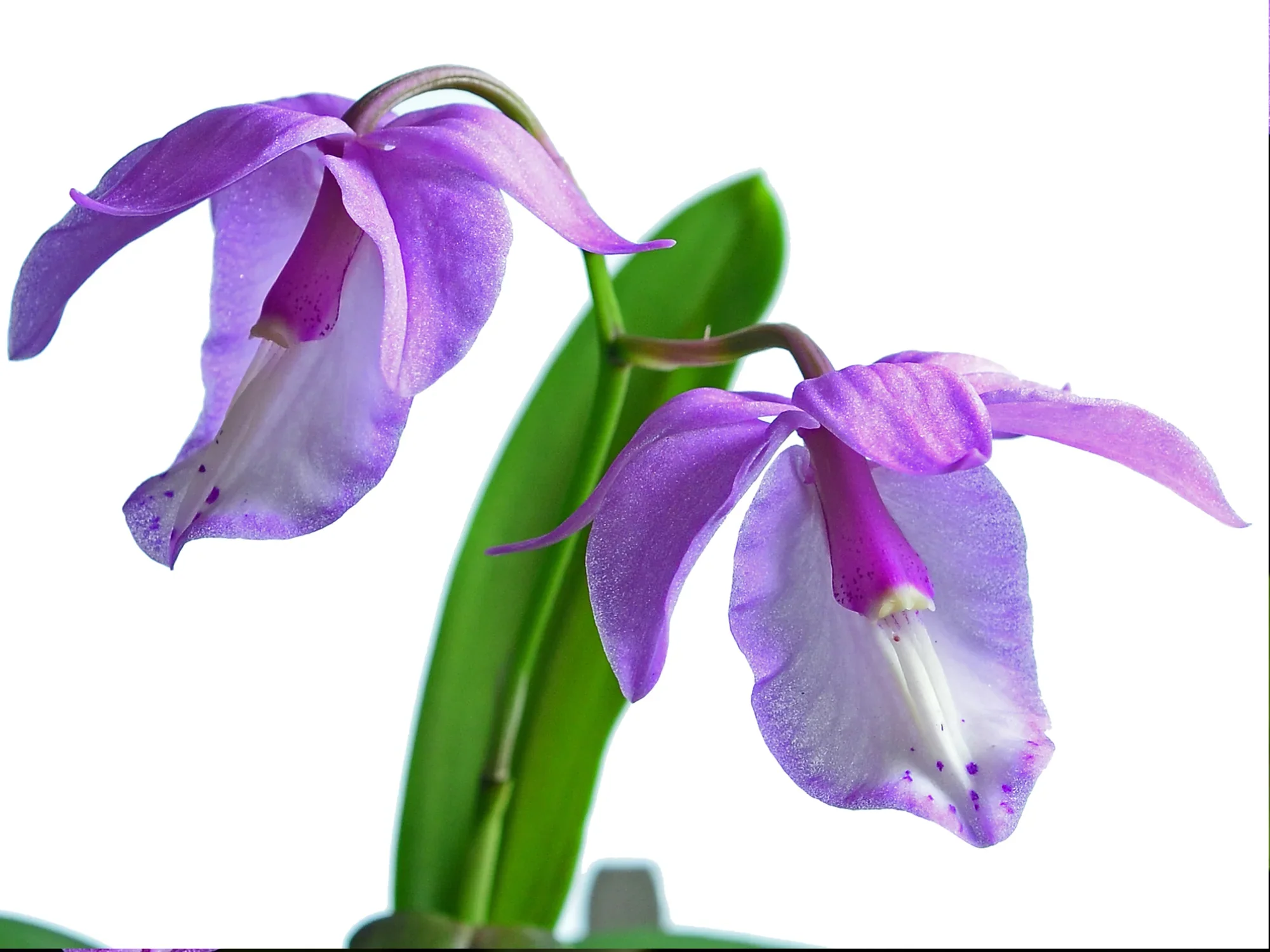
Barkeria spectabilis
Barkeria spectabilis Culture:
Successful cultivation of the showy Barkeria spectabilis. Here are some important cultural tips to ensure its thriving growth:
- Light: Barkeria spectabilis prefers bright, indirect light. It can tolerate some direct sunlight, but it's best to provide some shade during the hottest part of the day.
- Temperature: This orchid enjoys intermediate to warm temperatures. It experiences a distinct difference between day and night temperatures in its natural habitat. Aim for daytime temperatures between 21-29°C (70-84°F) and nighttime temperatures around 10-13°C (50-55°F).
- Humidity: Barkeria spectabilis prefers moderate to high humidity, around 50-70%. You can achieve this by using humidifiers, misting regularly, or growing it in a well-ventilated greenhouse.
- Watering: Water frequently during the active growing season, allowing the potting mix to approach dryness between waterings. Reduce watering significantly during the winter months when the plant is dormant.
Additional Notes:
- It is a deciduous epiphytic orchid, meaning it naturally grows on trees and sheds its leaves during the dormant period.
- It blooms in the spring and summer.
- It prefers to be grown mounted on cork bark or in baskets with a very airy, well-draining substrate.
Barkeria spectabilis Culture:
Successful cultivation of the showy Barkeria spectabilis. Here are some important cultural tips to ensure its thriving growth:
- Light: Barkeria spectabilis prefers bright, indirect light. It can tolerate some direct sunlight, but it's best to provide some shade during the hottest part of the day.
- Temperature: This orchid enjoys intermediate to warm temperatures. It experiences a distinct difference between day and night temperatures in its natural habitat. Aim for daytime temperatures between 21-29°C (70-84°F) and nighttime temperatures around 10-13°C (50-55°F).
- Humidity: Barkeria spectabilis prefers moderate to high humidity, around 50-70%. You can achieve this by using humidifiers, misting regularly, or growing it in a well-ventilated greenhouse.
- Watering: Water frequently during the active growing season, allowing the potting mix to approach dryness between waterings. Reduce watering significantly during the winter months when the plant is dormant.
Additional Notes:
- It is a deciduous epiphytic orchid, meaning it naturally grows on trees and sheds its leaves during the dormant period.
- It blooms in the spring and summer.
- It prefers to be grown mounted on cork bark or in baskets with a very airy, well-draining substrate.
$8.05
Original: $23.00
-65%Barkeria spectabilis—
$23.00
$8.05Description
Barkeria spectabilis Culture:
Successful cultivation of the showy Barkeria spectabilis. Here are some important cultural tips to ensure its thriving growth:
- Light: Barkeria spectabilis prefers bright, indirect light. It can tolerate some direct sunlight, but it's best to provide some shade during the hottest part of the day.
- Temperature: This orchid enjoys intermediate to warm temperatures. It experiences a distinct difference between day and night temperatures in its natural habitat. Aim for daytime temperatures between 21-29°C (70-84°F) and nighttime temperatures around 10-13°C (50-55°F).
- Humidity: Barkeria spectabilis prefers moderate to high humidity, around 50-70%. You can achieve this by using humidifiers, misting regularly, or growing it in a well-ventilated greenhouse.
- Watering: Water frequently during the active growing season, allowing the potting mix to approach dryness between waterings. Reduce watering significantly during the winter months when the plant is dormant.
Additional Notes:
- It is a deciduous epiphytic orchid, meaning it naturally grows on trees and sheds its leaves during the dormant period.
- It blooms in the spring and summer.
- It prefers to be grown mounted on cork bark or in baskets with a very airy, well-draining substrate.