1 / 2
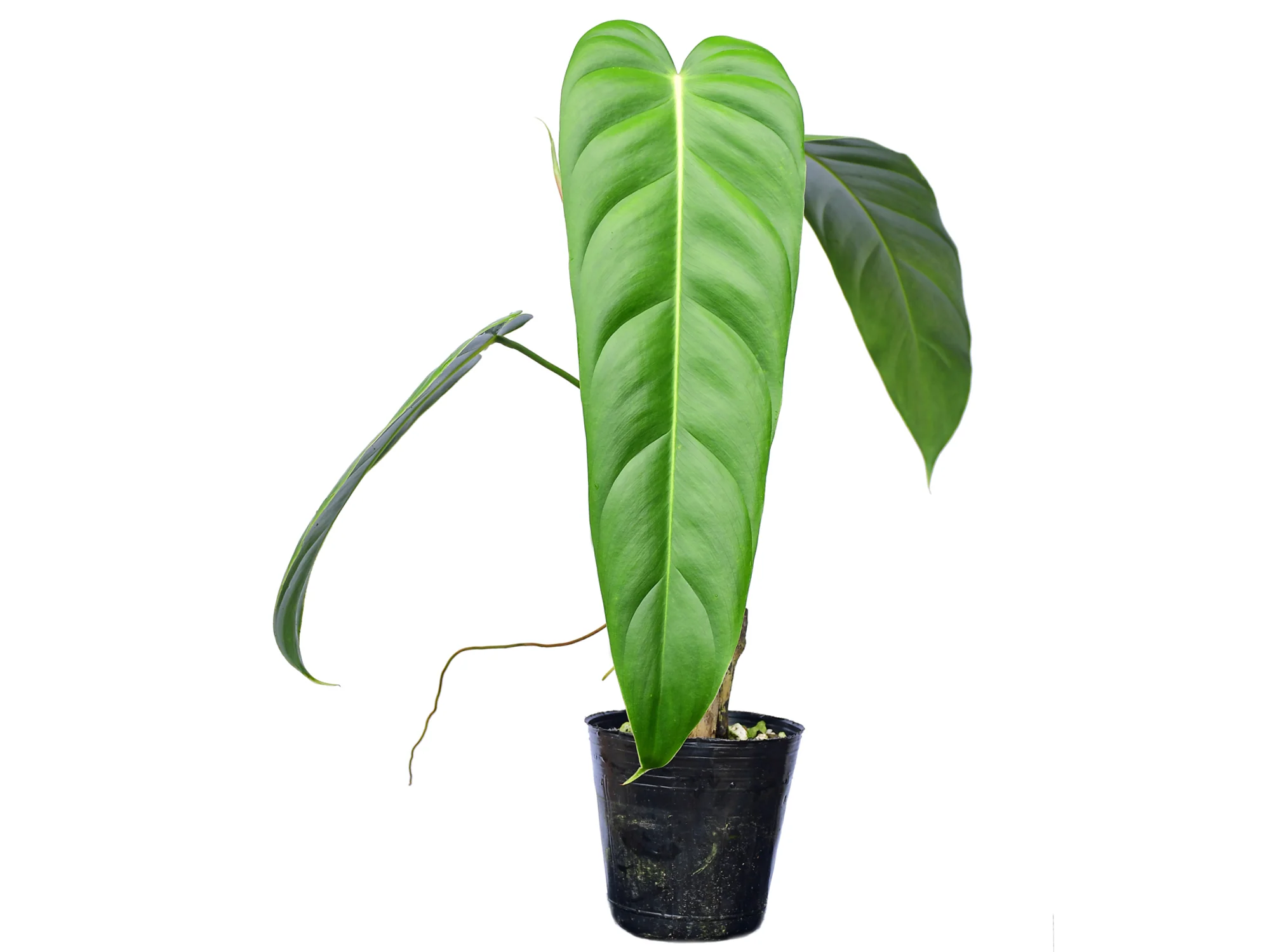
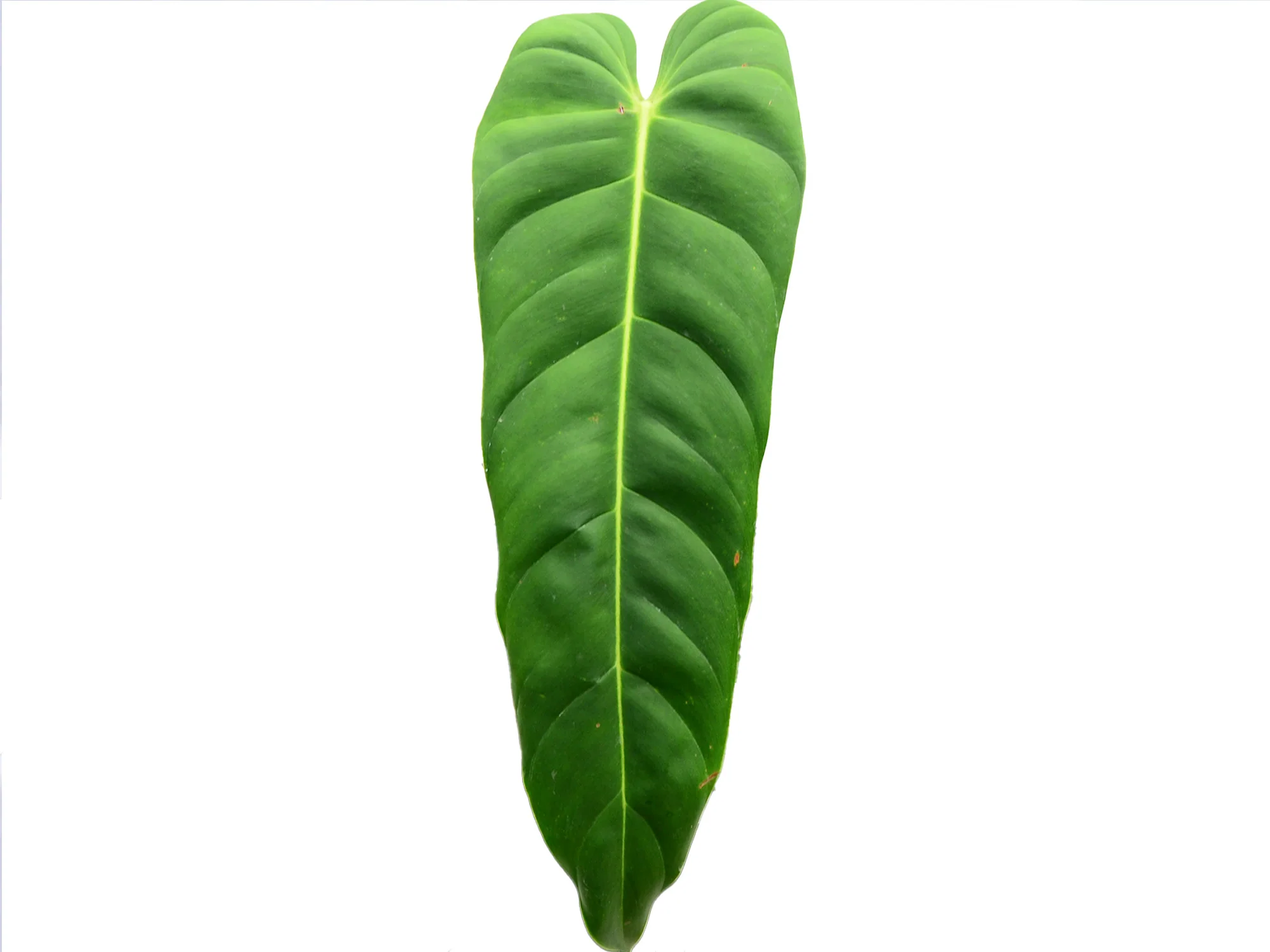
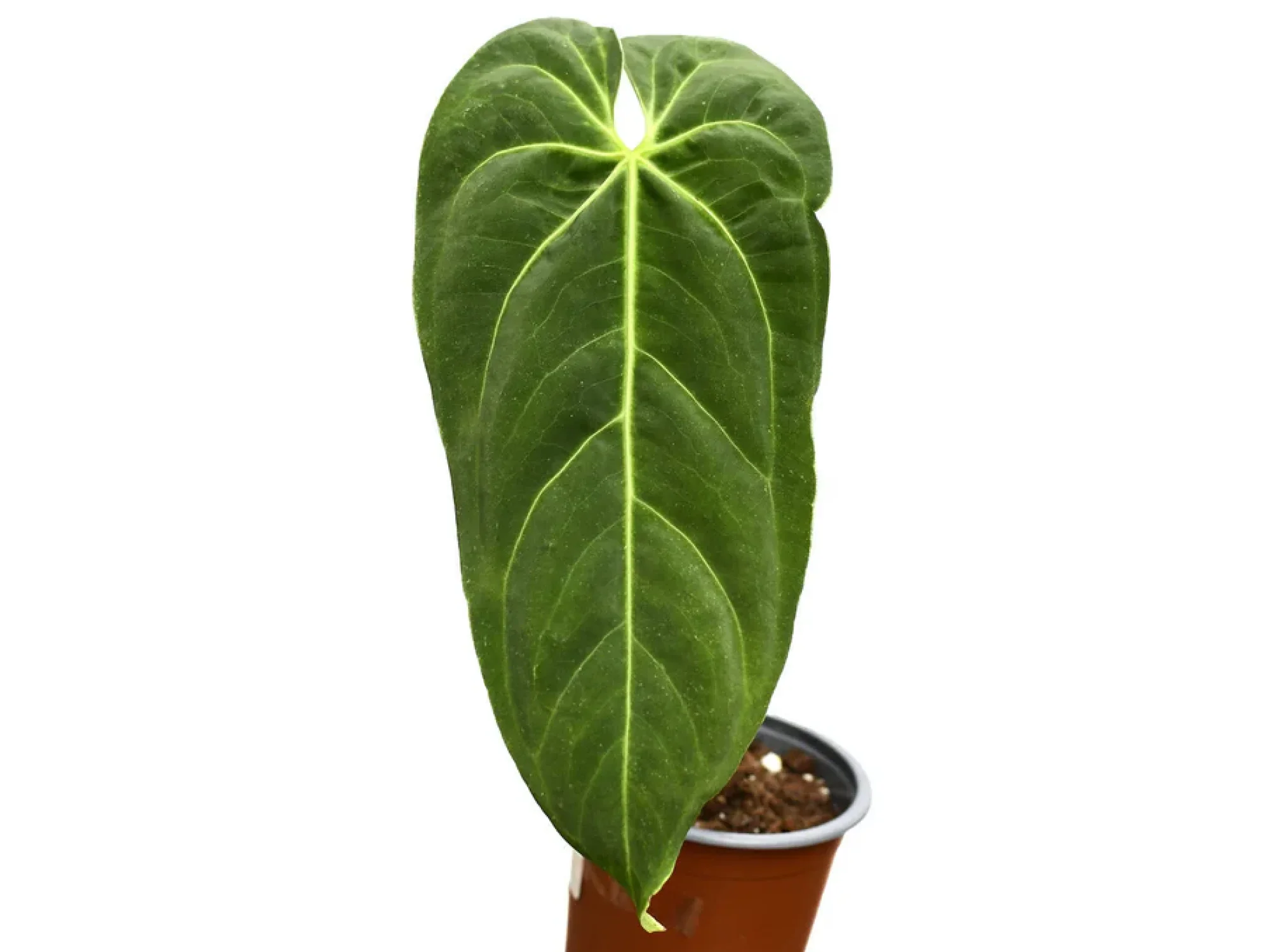
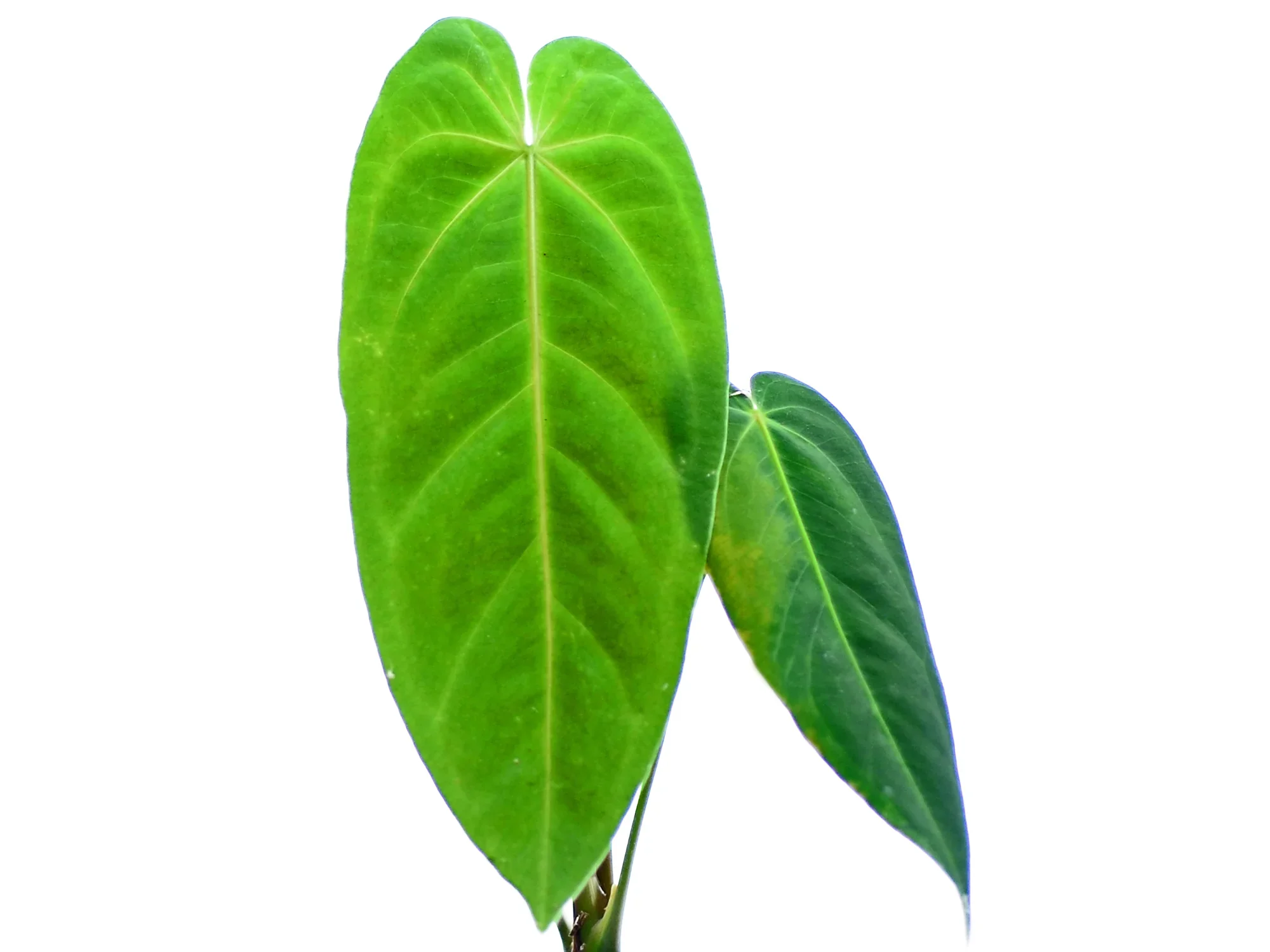
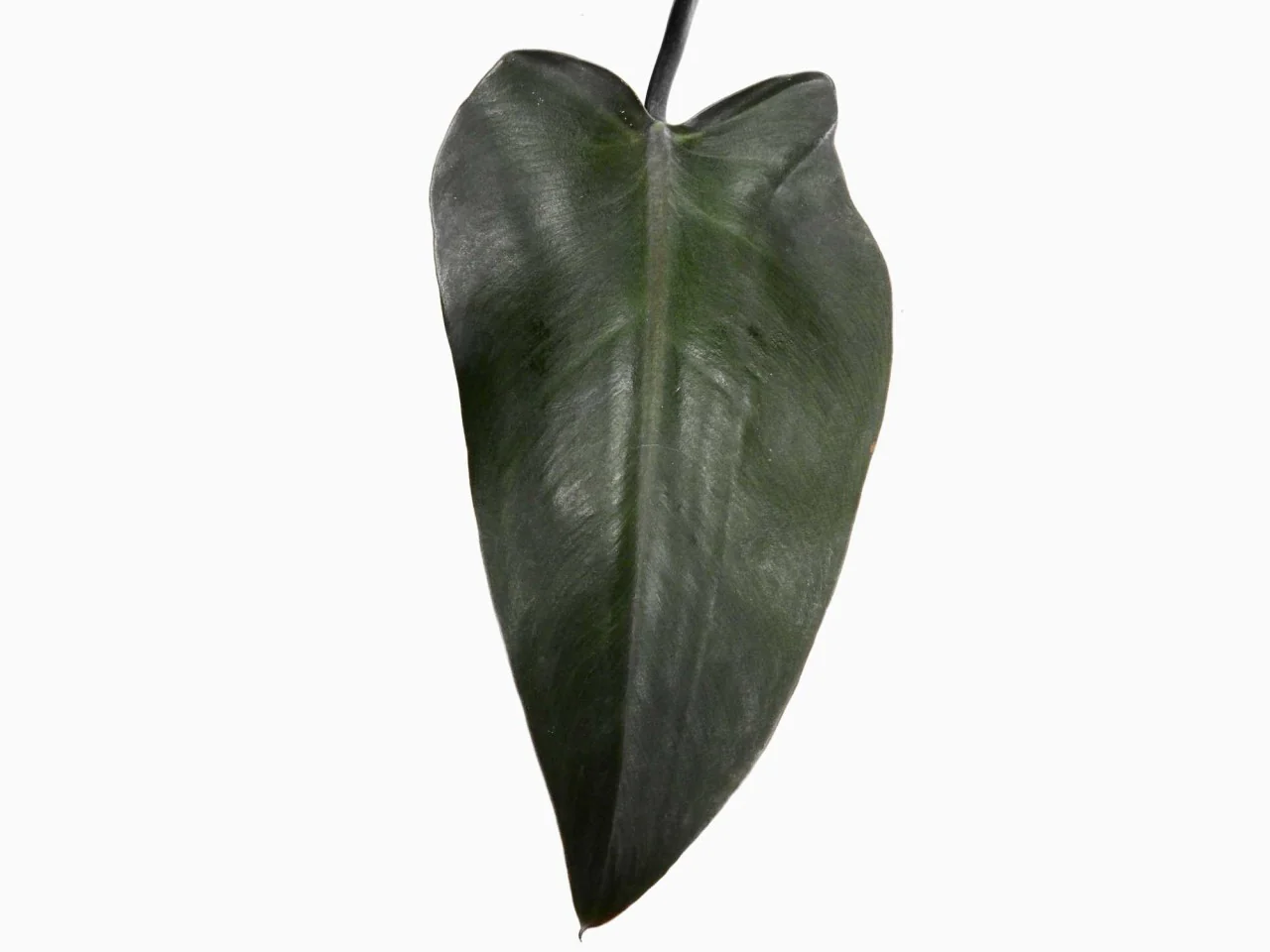
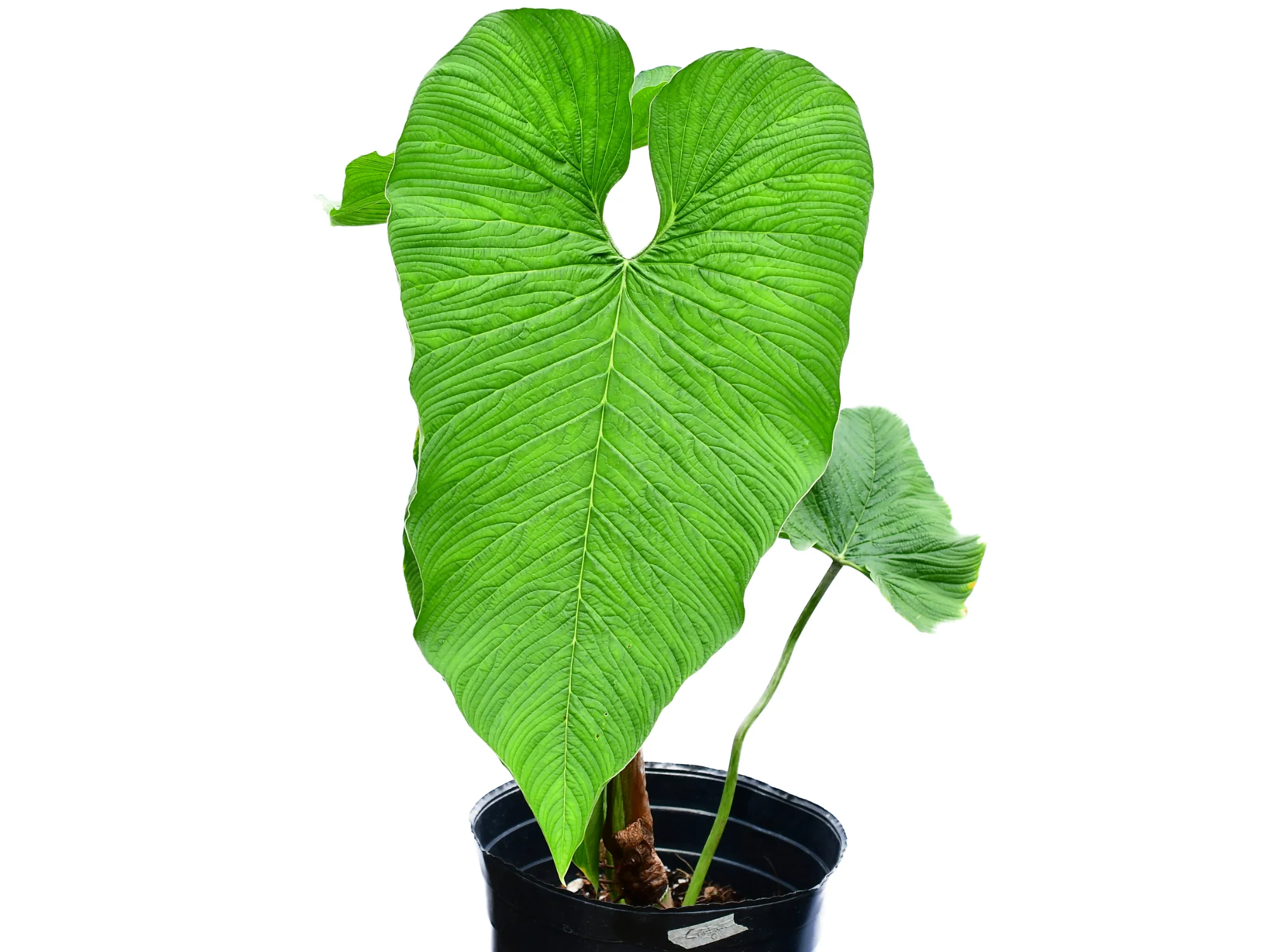
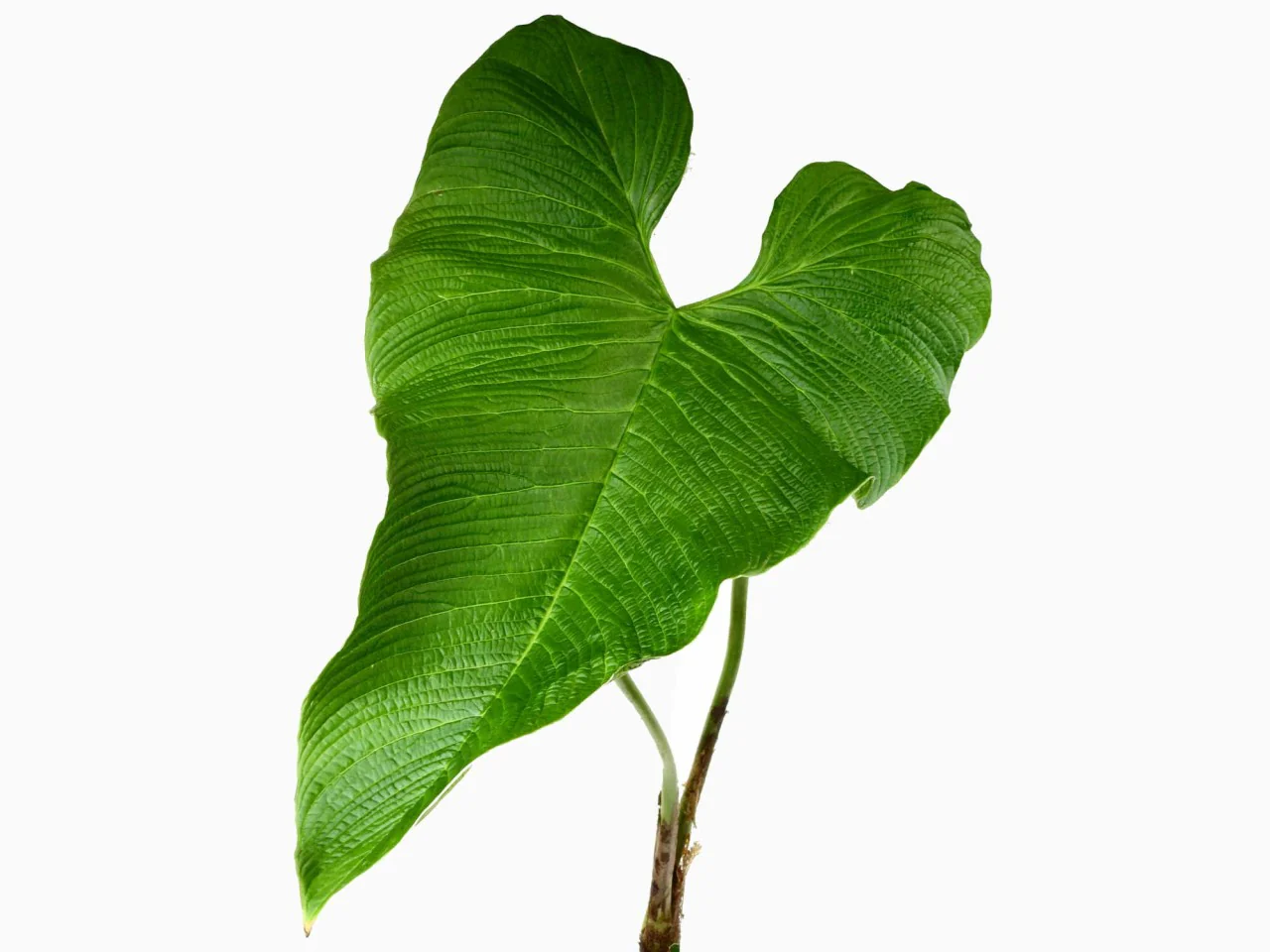
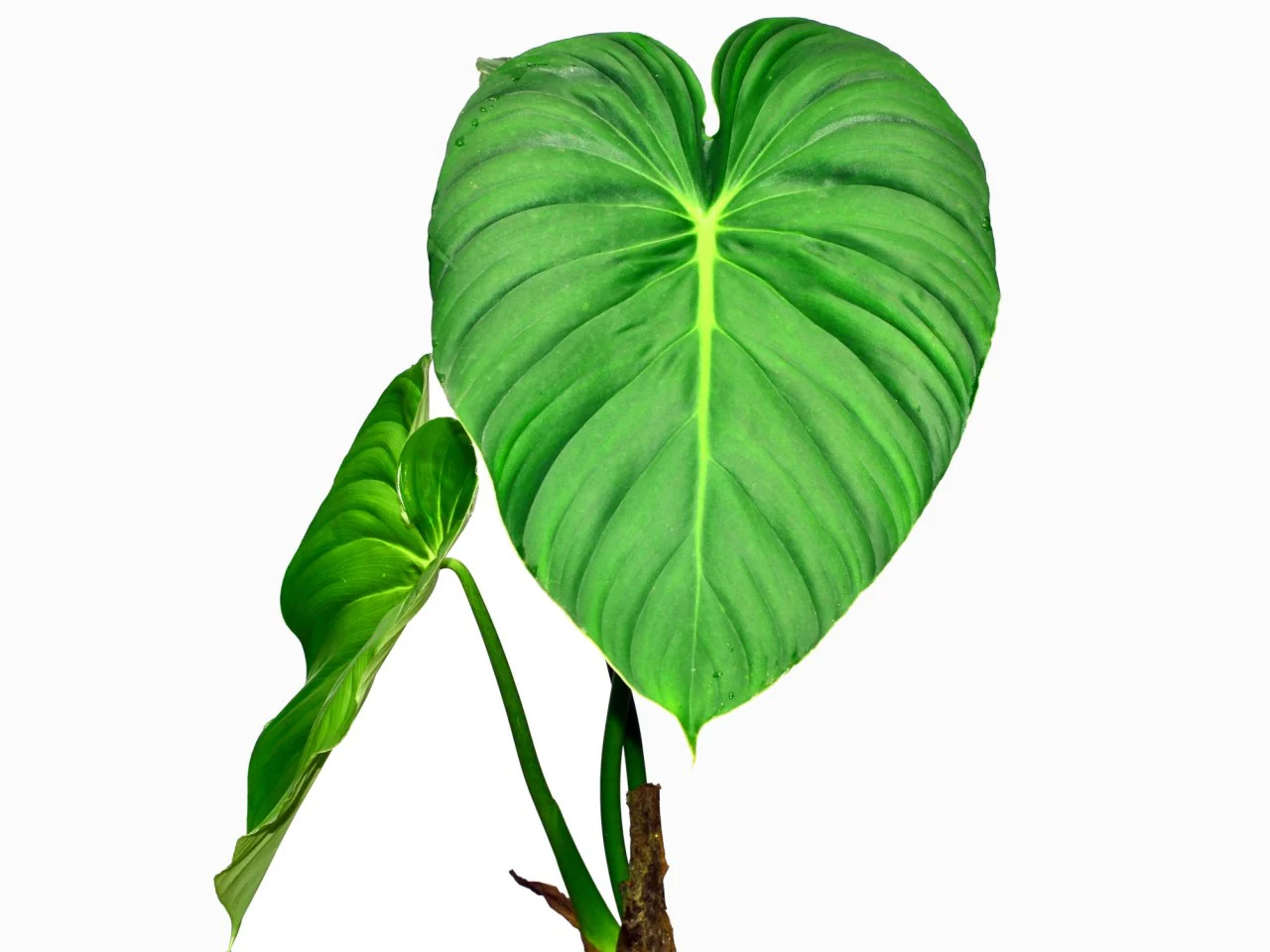
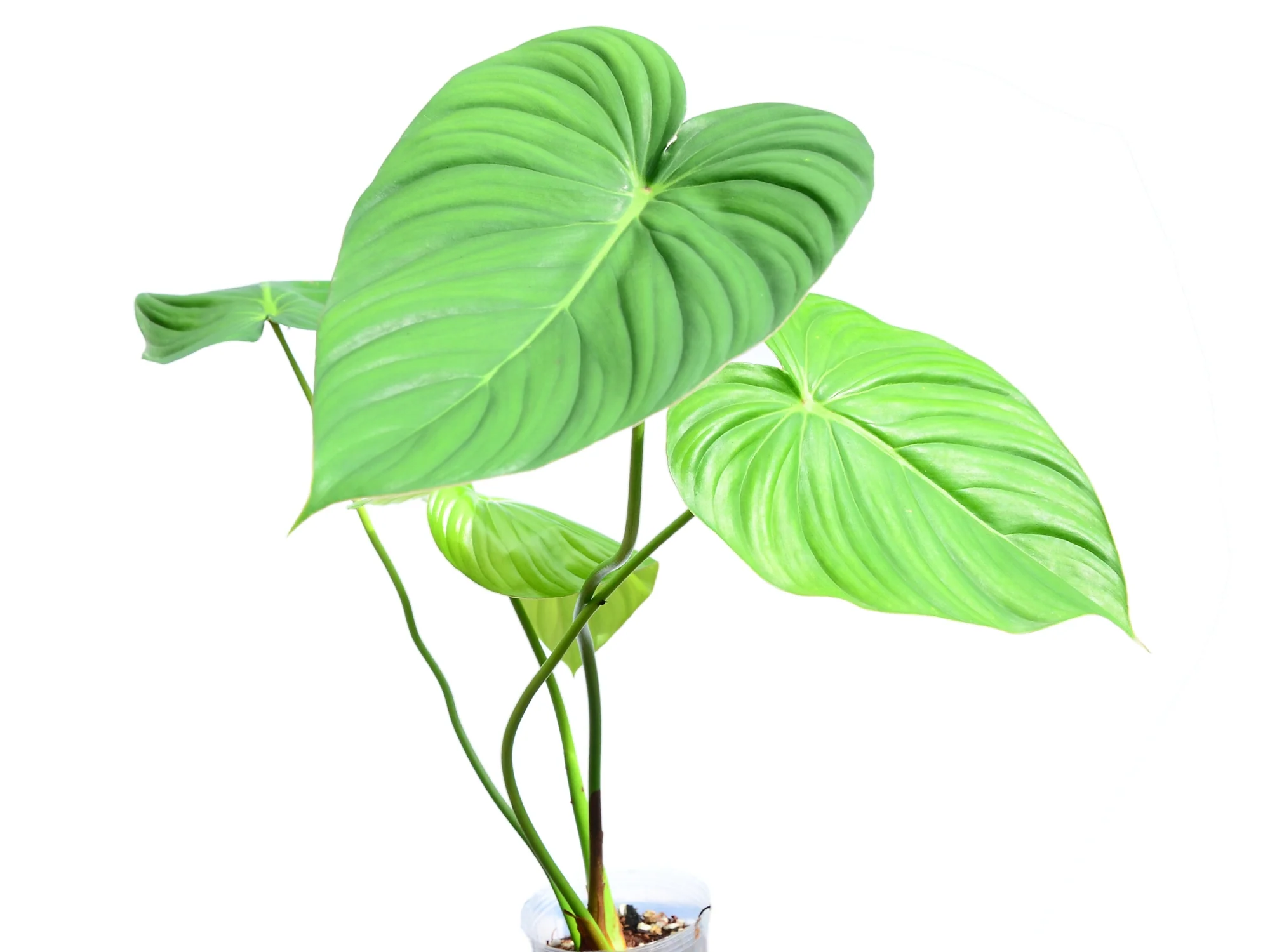
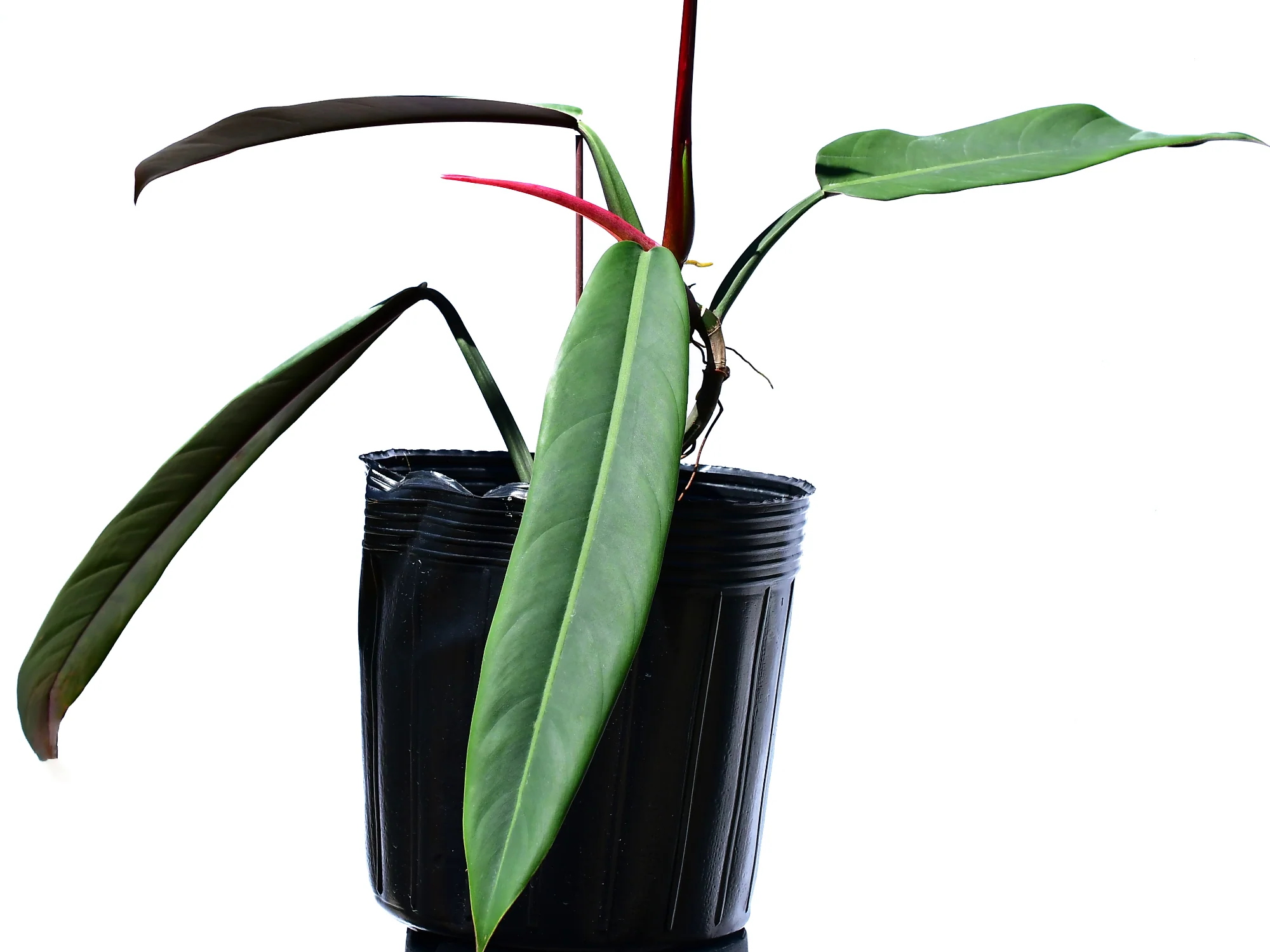
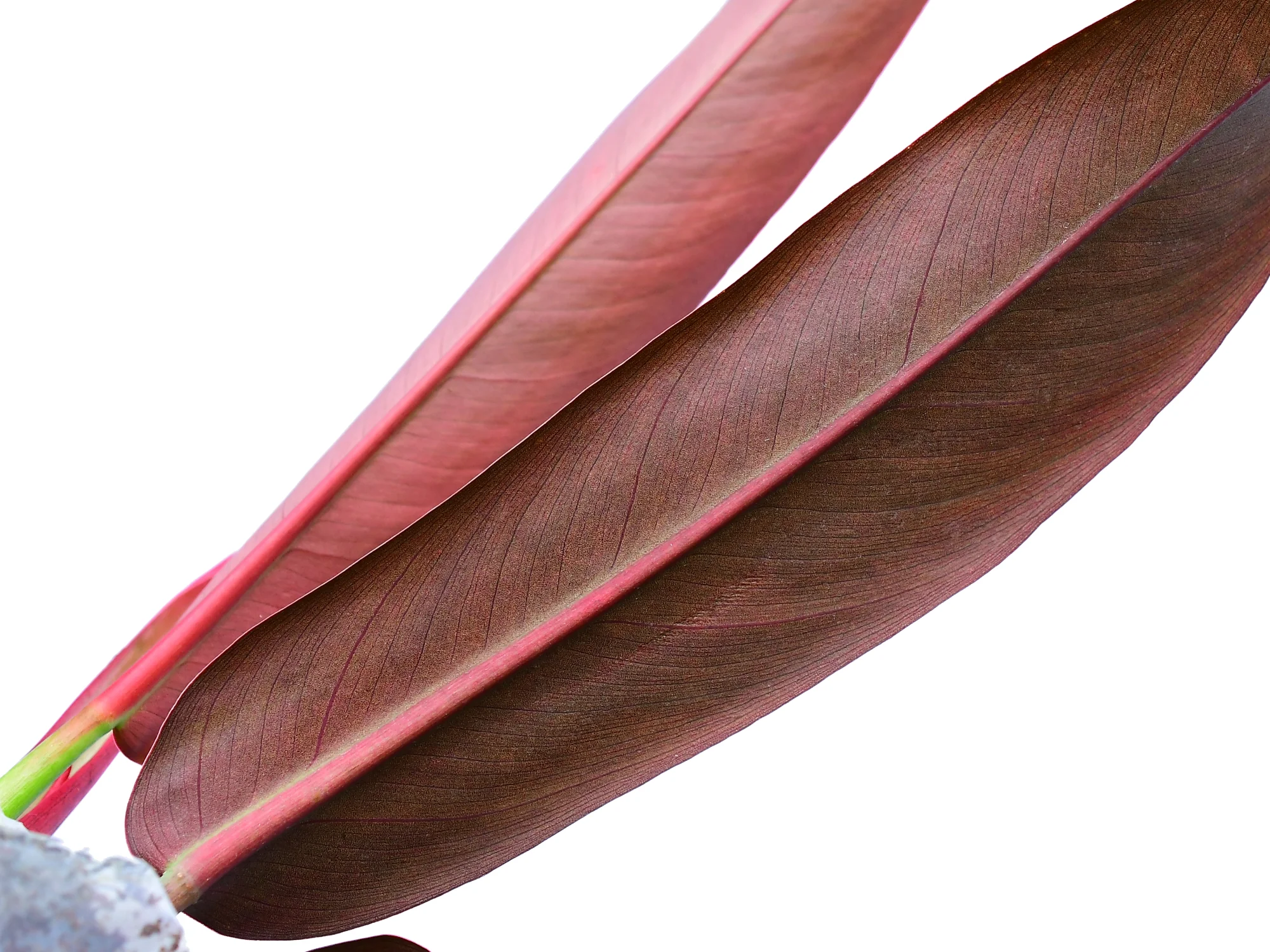
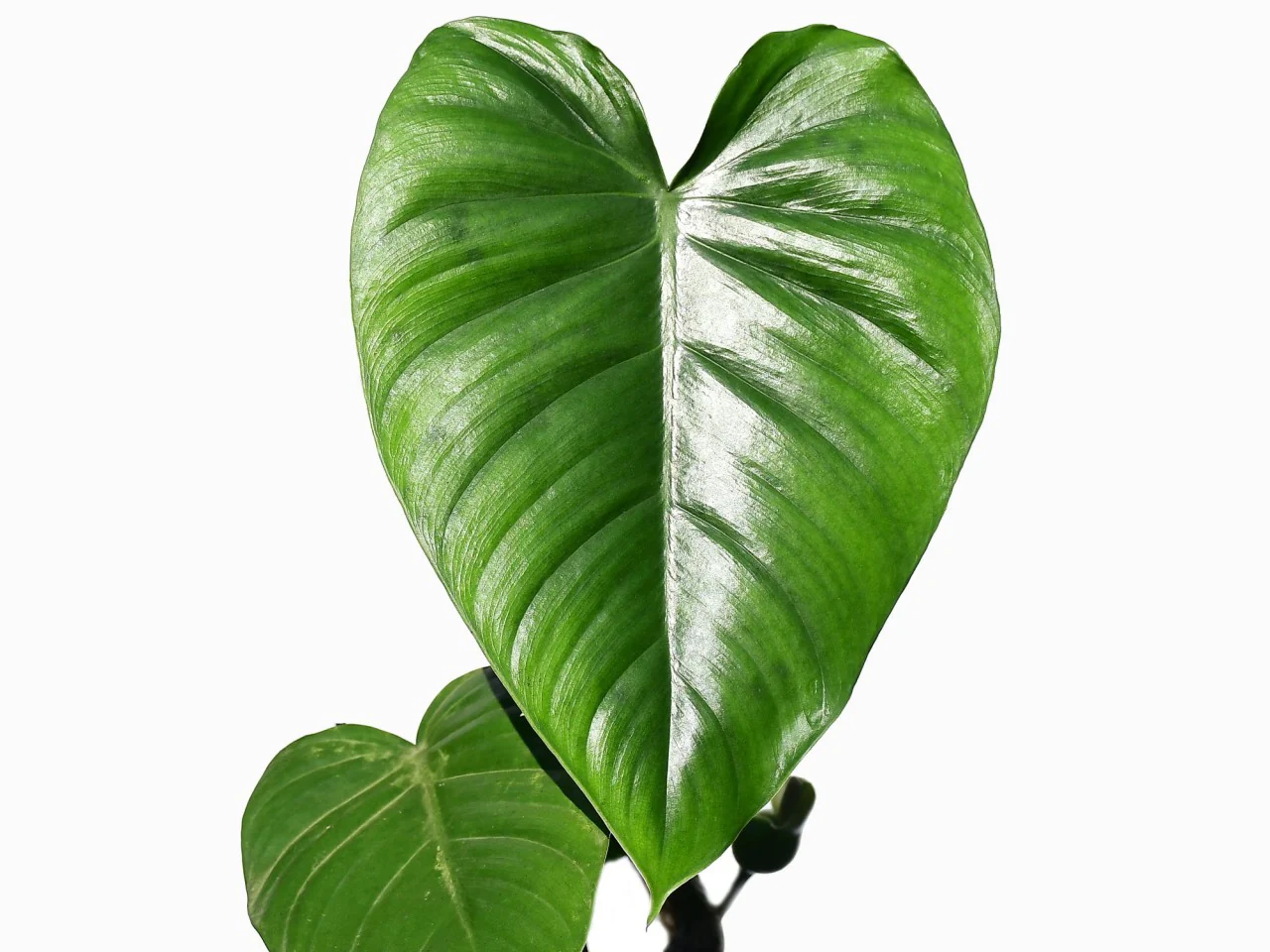
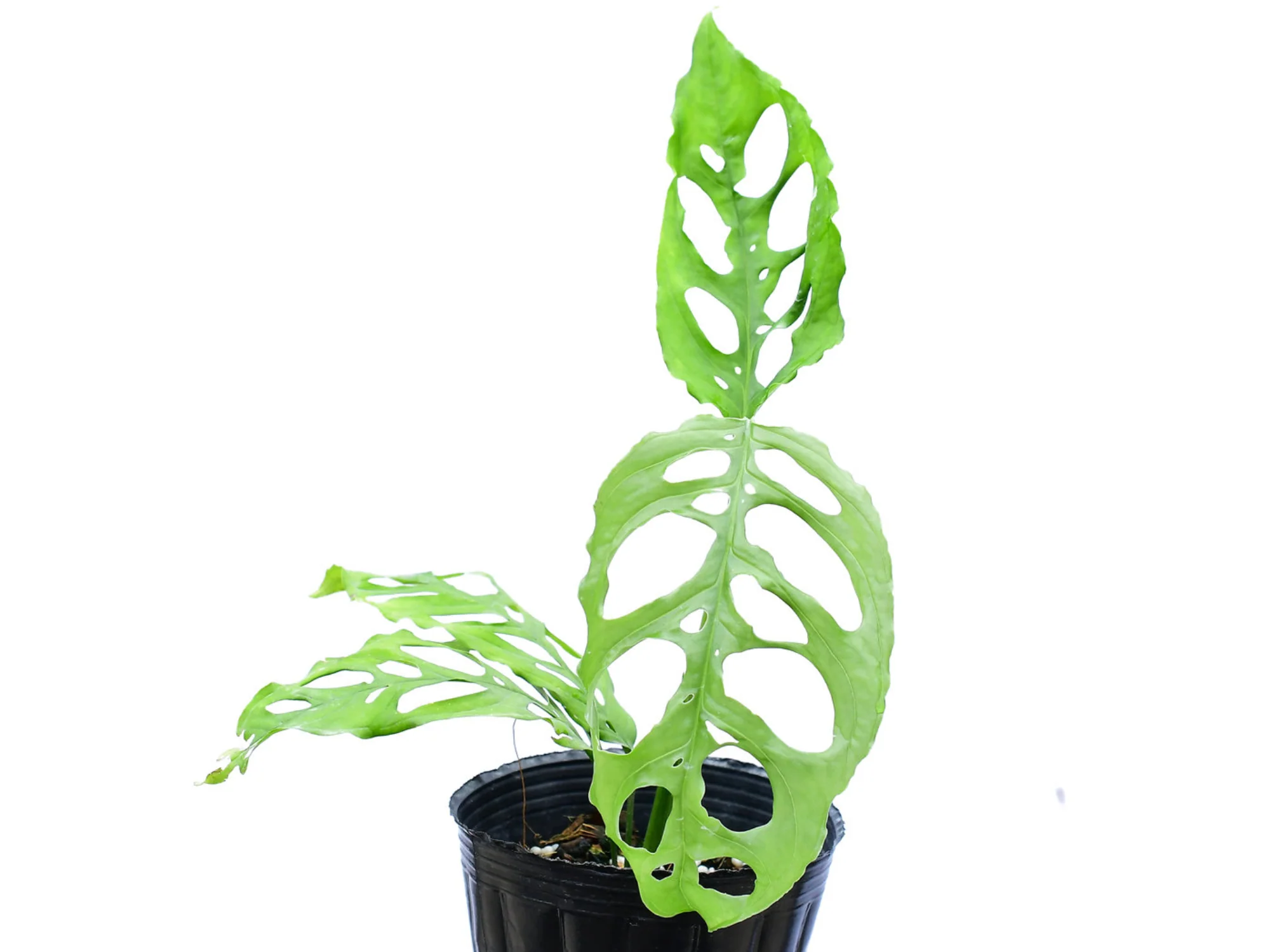
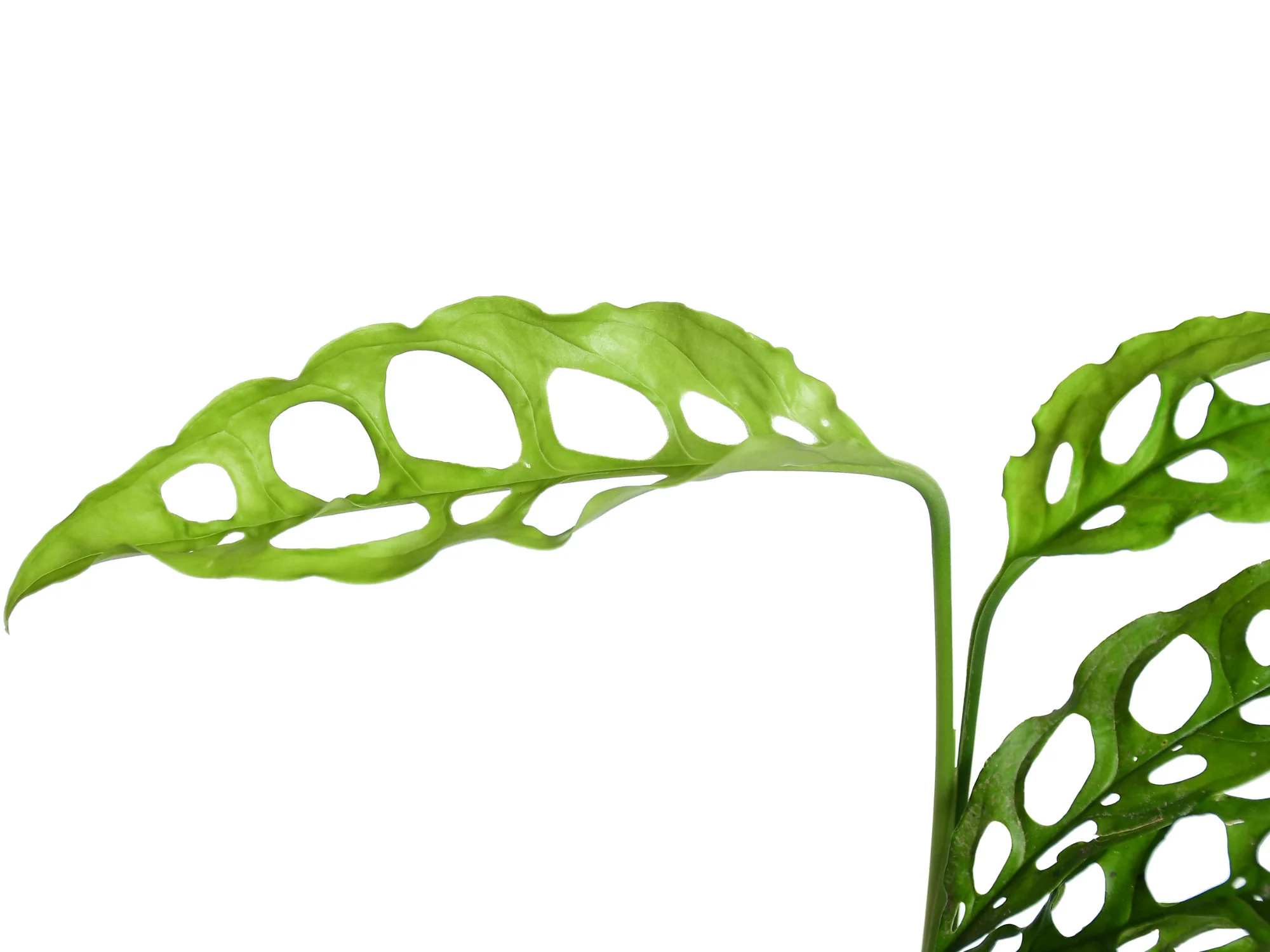
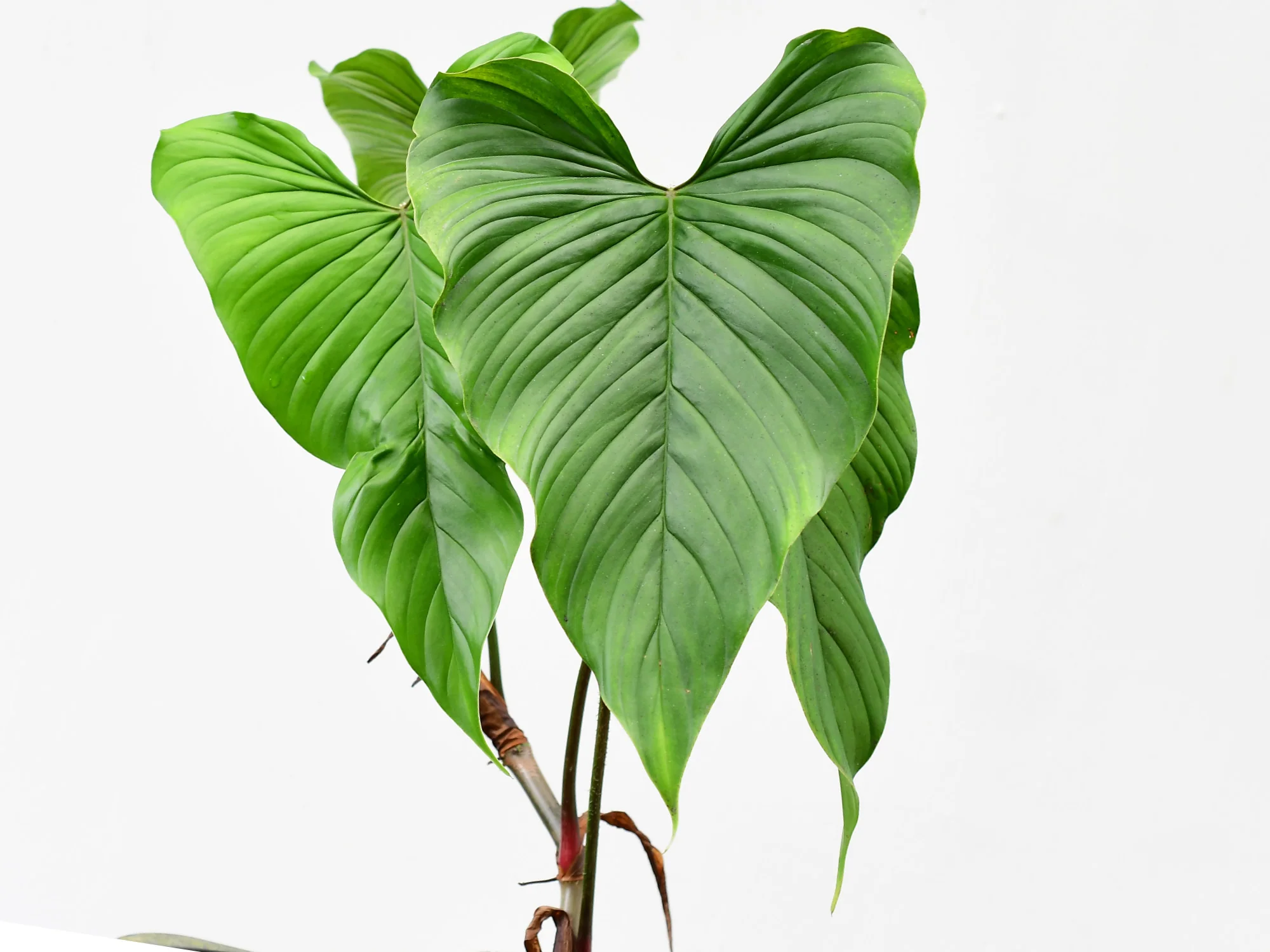
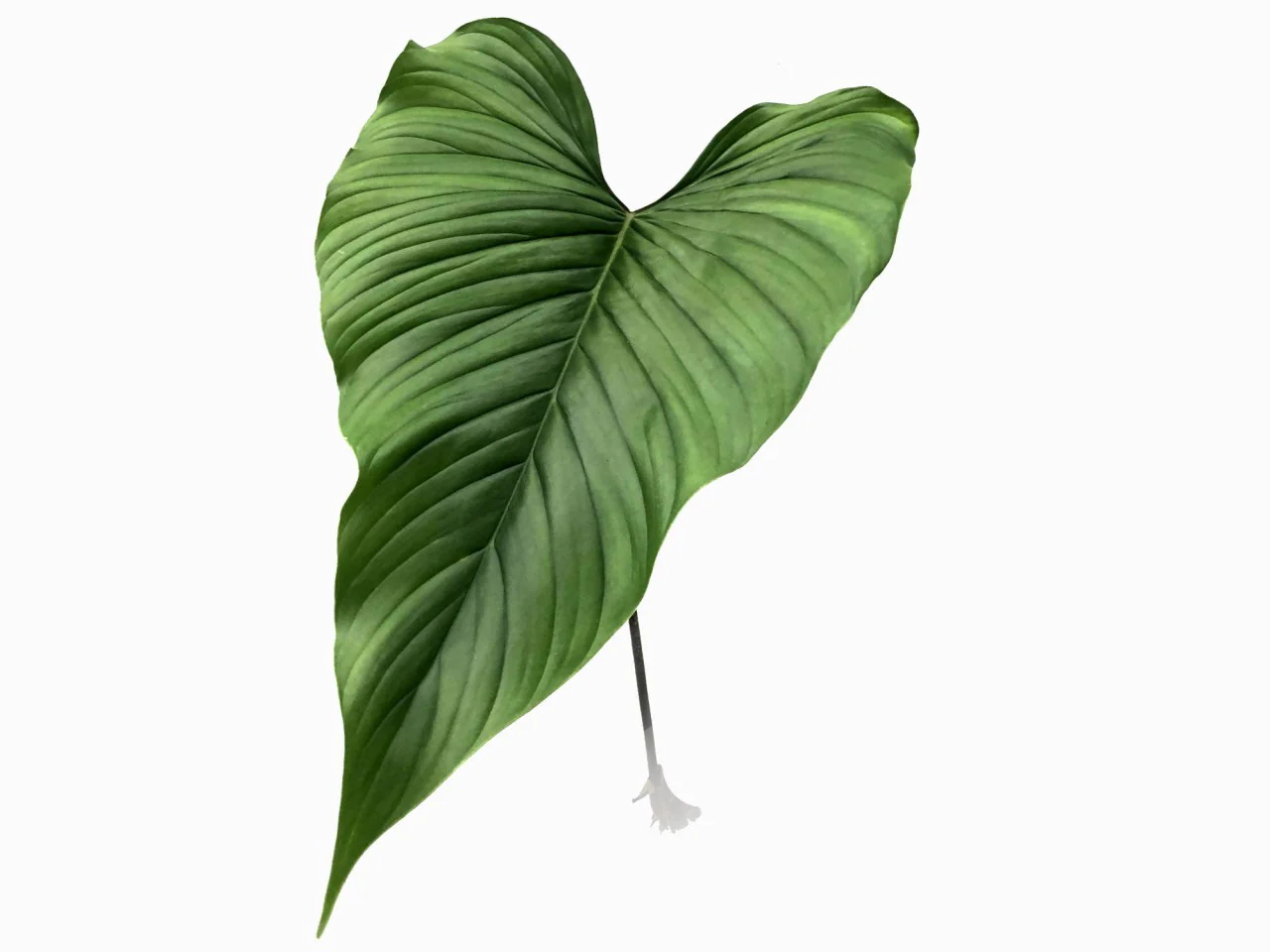
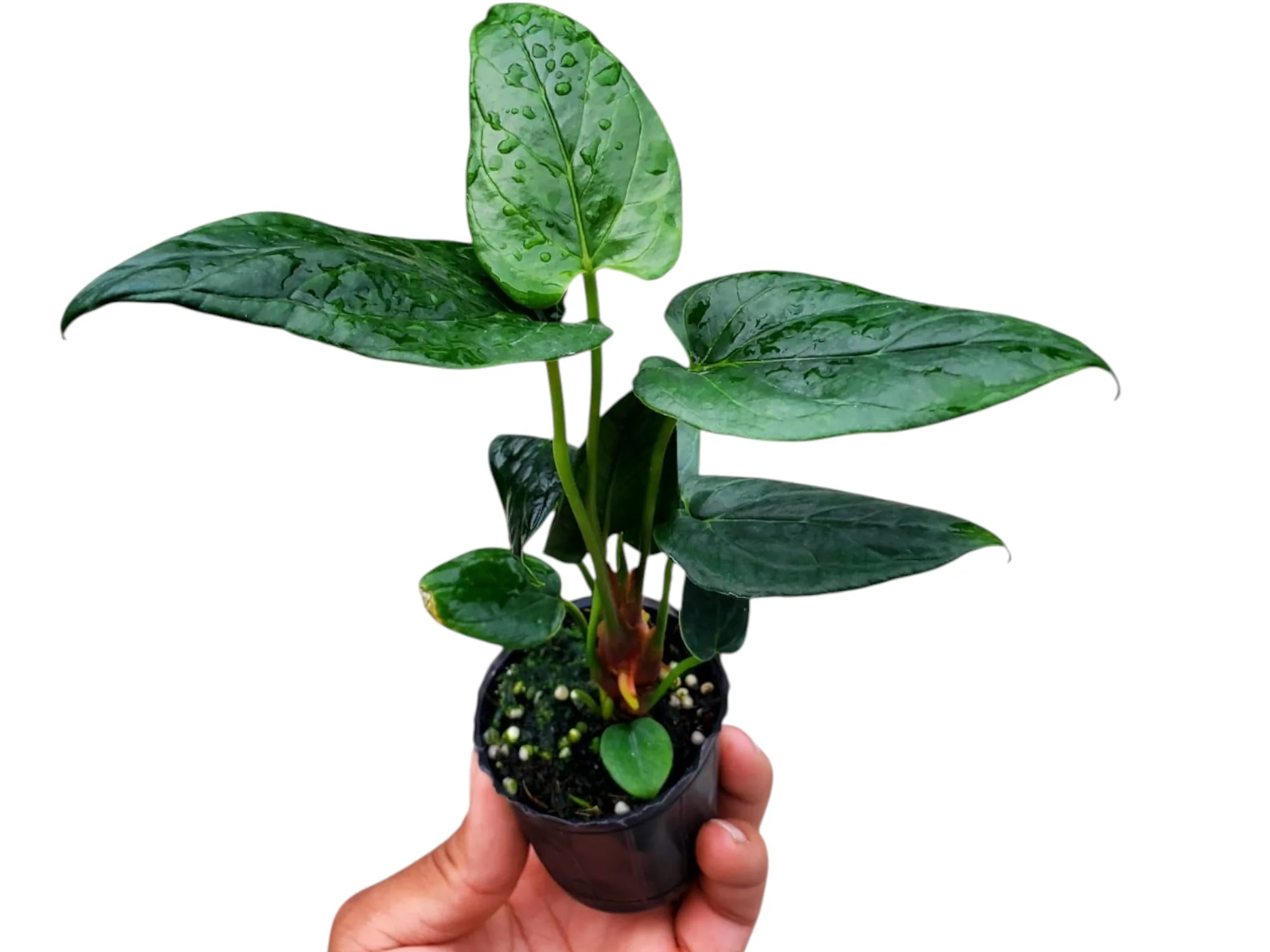
Anthurium cabrerense (seedling)
Anthurium cabrerense Culture: (for a Juvenile Plant):
Cultivating a young seedling of Anthurium cabrerense requires extra care, focusing on providing optimal conditions for its delicate early growth:
- Light: Provide bright, indirect light. Avoid direct sunlight which can burn delicate seedling leaves.
- Temperature: Maintain 18-27°C (64-80°F) with consistent warmth and no sudden temperature changes.
- Humidity: Keep humidity very high at 70-90% using a humidity chamber, terrarium, or protected humid environment.
- Watering: Keep substrate consistently moist but well-drained. Use soft water (rainwater or RO water) and avoid waterlogging to prevent root rot.
- Substrate: Use a light, airy, well-draining mix of fine sphagnum moss, perlite, fine orchid bark, and small amount of coco coir.
Additional Notes (Regarding Seedlings):
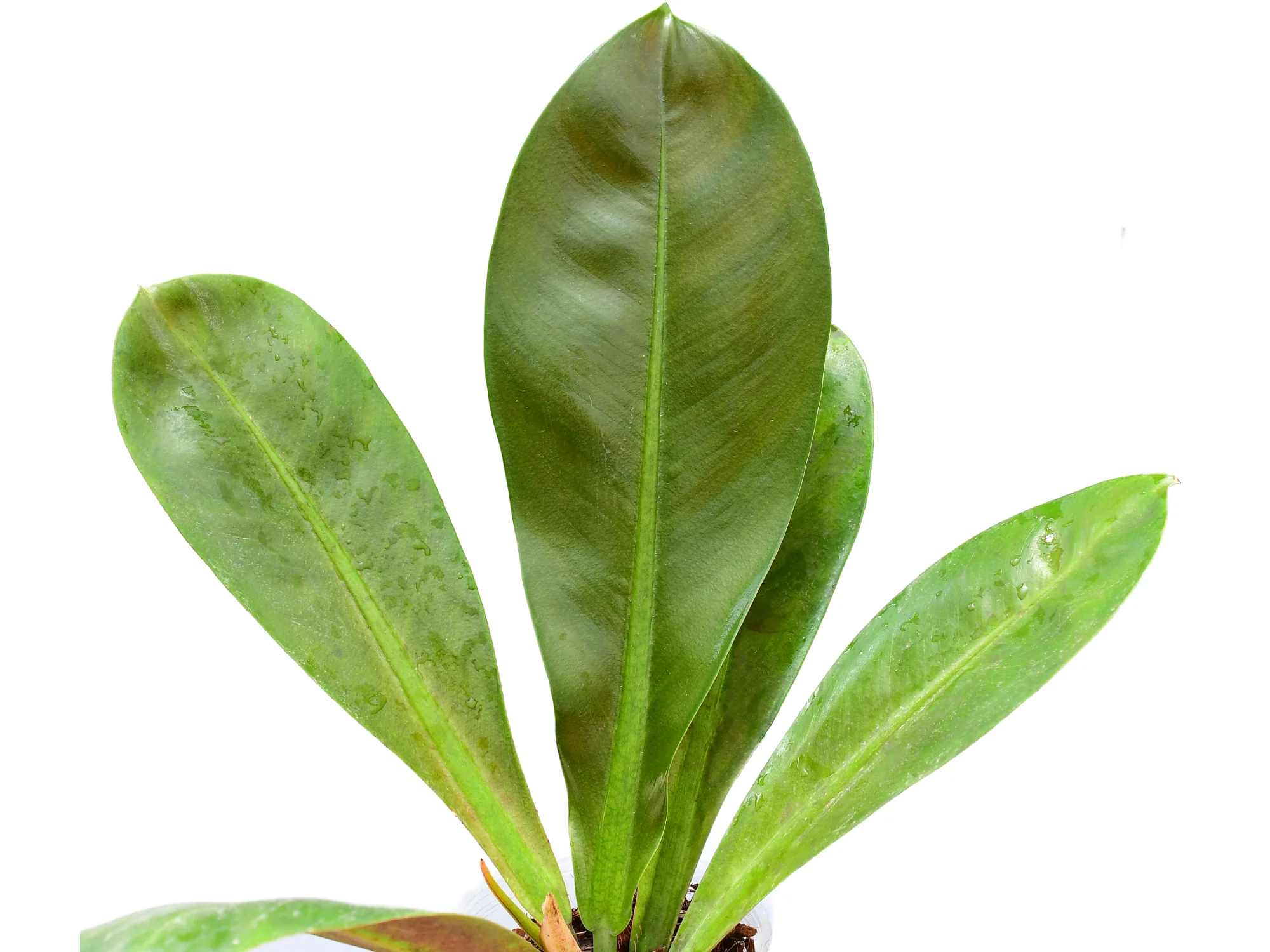
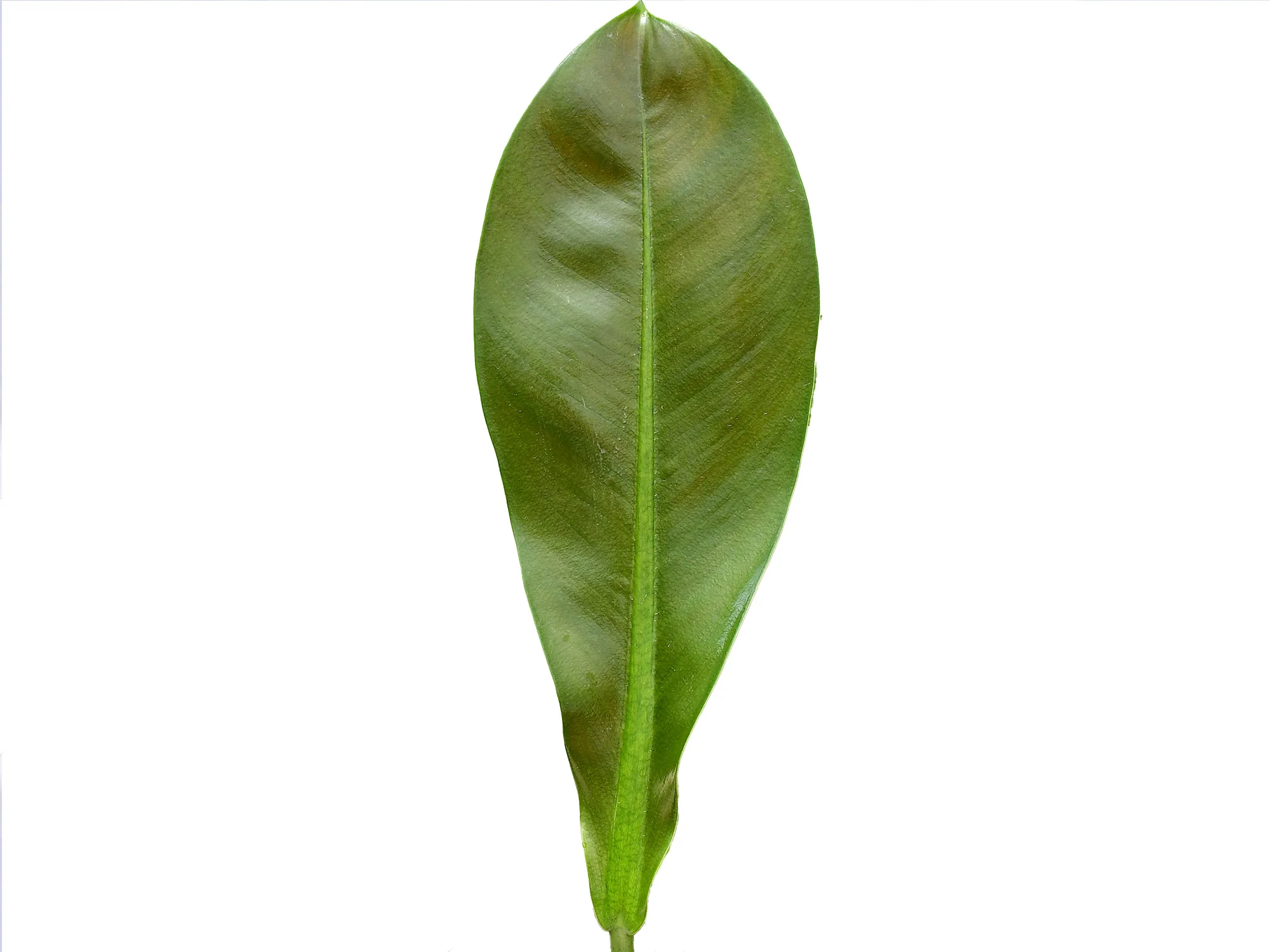
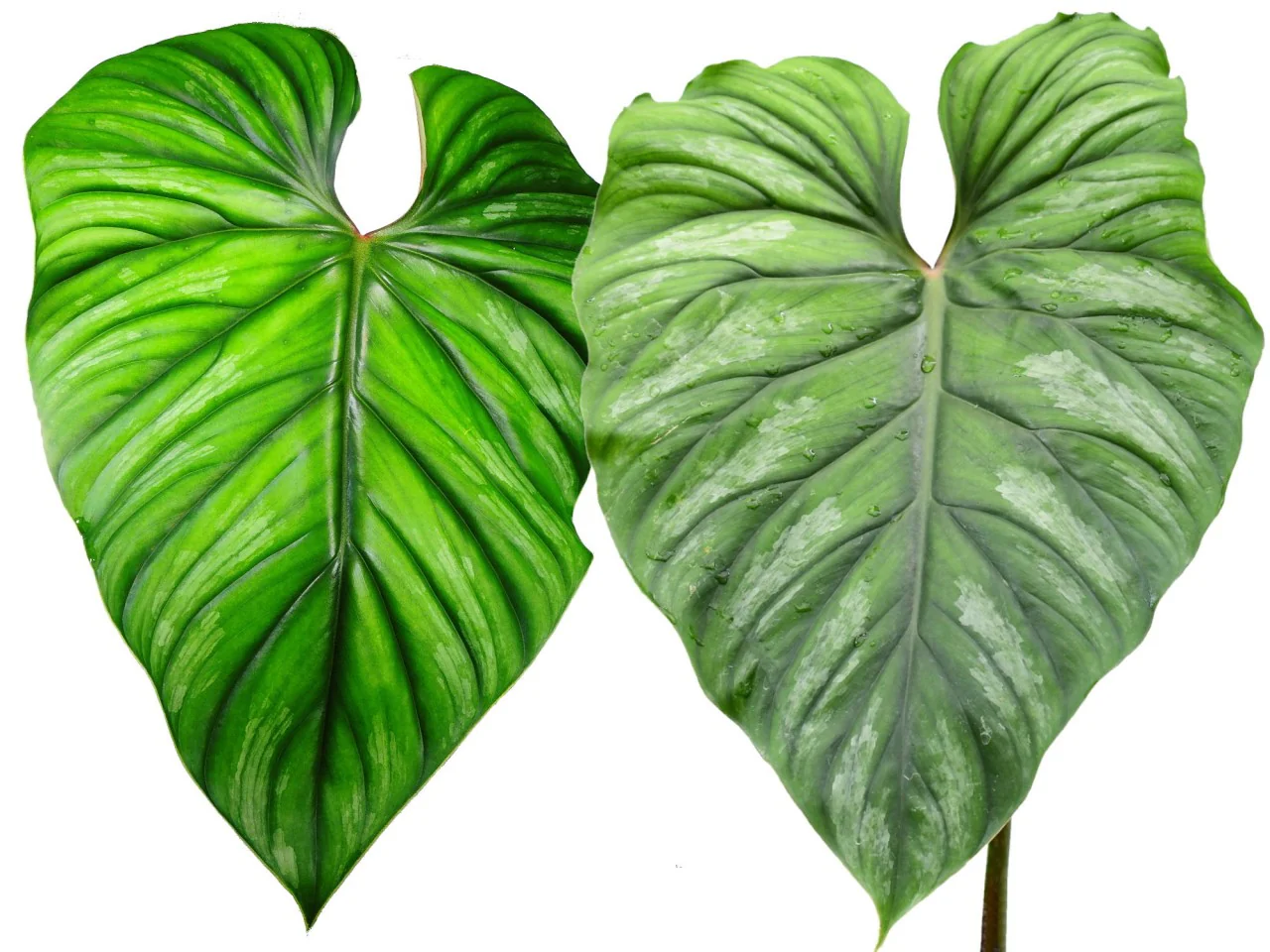
- At this early stage, the seedling will have small and delicate leaves. The characteristic leaf shape will develop as the plant grows.
- The development of the signature dark flower will occur as the plant reaches maturity, which can take several years.
- Maintaining high humidity is critical to prevent desiccation and support healthy leaf development in the young plant.
- Be patient! Seedlings grow relatively slowly, and it will take time for the plant to mature and exhibit its distinctive floral characteristic.
Anthurium cabrerense Culture: (for a Juvenile Plant):
Cultivating a young seedling of Anthurium cabrerense requires extra care, focusing on providing optimal conditions for its delicate early growth:
- Light: Provide bright, indirect light. Avoid direct sunlight which can burn delicate seedling leaves.
- Temperature: Maintain 18-27°C (64-80°F) with consistent warmth and no sudden temperature changes.
- Humidity: Keep humidity very high at 70-90% using a humidity chamber, terrarium, or protected humid environment.
- Watering: Keep substrate consistently moist but well-drained. Use soft water (rainwater or RO water) and avoid waterlogging to prevent root rot.
- Substrate: Use a light, airy, well-draining mix of fine sphagnum moss, perlite, fine orchid bark, and small amount of coco coir.
Additional Notes (Regarding Seedlings):
- At this early stage, the seedling will have small and delicate leaves. The characteristic leaf shape will develop as the plant grows.
- The development of the signature dark flower will occur as the plant reaches maturity, which can take several years.
- Maintaining high humidity is critical to prevent desiccation and support healthy leaf development in the young plant.
- Be patient! Seedlings grow relatively slowly, and it will take time for the plant to mature and exhibit its distinctive floral characteristic.
$7.00
Original: $20.00
-65%Anthurium cabrerense (seedling)—
$20.00
$7.00Description
Anthurium cabrerense Culture: (for a Juvenile Plant):
Cultivating a young seedling of Anthurium cabrerense requires extra care, focusing on providing optimal conditions for its delicate early growth:
- Light: Provide bright, indirect light. Avoid direct sunlight which can burn delicate seedling leaves.
- Temperature: Maintain 18-27°C (64-80°F) with consistent warmth and no sudden temperature changes.
- Humidity: Keep humidity very high at 70-90% using a humidity chamber, terrarium, or protected humid environment.
- Watering: Keep substrate consistently moist but well-drained. Use soft water (rainwater or RO water) and avoid waterlogging to prevent root rot.
- Substrate: Use a light, airy, well-draining mix of fine sphagnum moss, perlite, fine orchid bark, and small amount of coco coir.
Additional Notes (Regarding Seedlings):
- At this early stage, the seedling will have small and delicate leaves. The characteristic leaf shape will develop as the plant grows.
- The development of the signature dark flower will occur as the plant reaches maturity, which can take several years.
- Maintaining high humidity is critical to prevent desiccation and support healthy leaf development in the young plant.
- Be patient! Seedlings grow relatively slowly, and it will take time for the plant to mature and exhibit its distinctive floral characteristic.