1 / 2
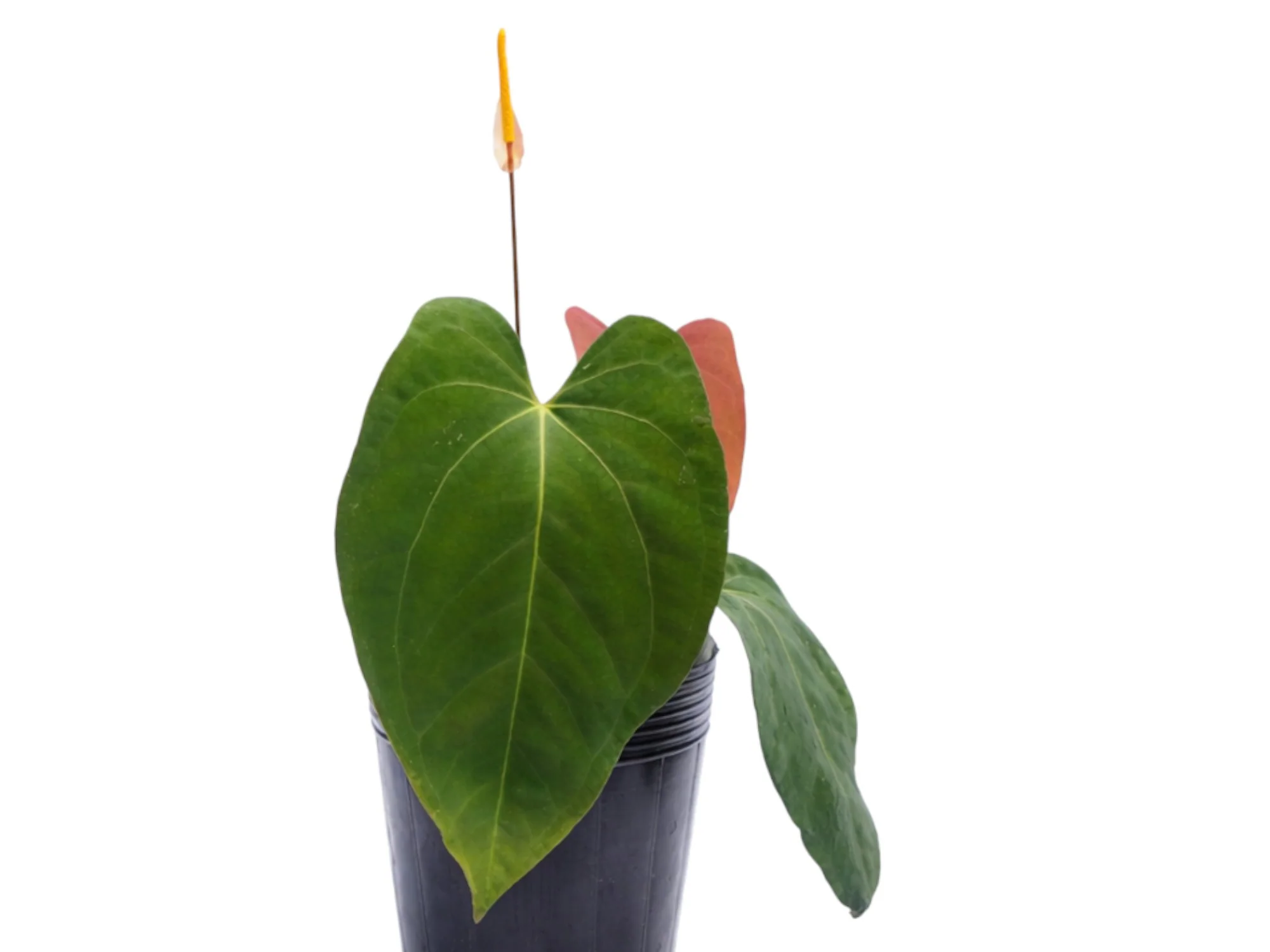
Anthurium Anaikolra Papillon
Anthurium Black Anaconda x Anth. papillilaminum Culture:
Successful cultivation of this Anthurium hybrid requires attention to the following aspects, based on the needs of its parent plants:
- Light: Prefers bright, indirect light. Avoid direct sunlight, which can scorch its leaves.
- Temperature: Thrives in warm, humid temperatures typical of tropical climates. Ideal temperatures range between 20°C and 30°C (68°F and 86°F).
- Humidity: Requires high ambient humidity. The use of humidifiers, frequent misting, or cultivation in terrariums may be necessary.
- Watering: Keep the substrate consistently moist, but not waterlogged. Ensure good drainage to prevent root rot.
- Substrate: Use a very well-draining, airy substrate, rich in organic material.
Additional Notes:
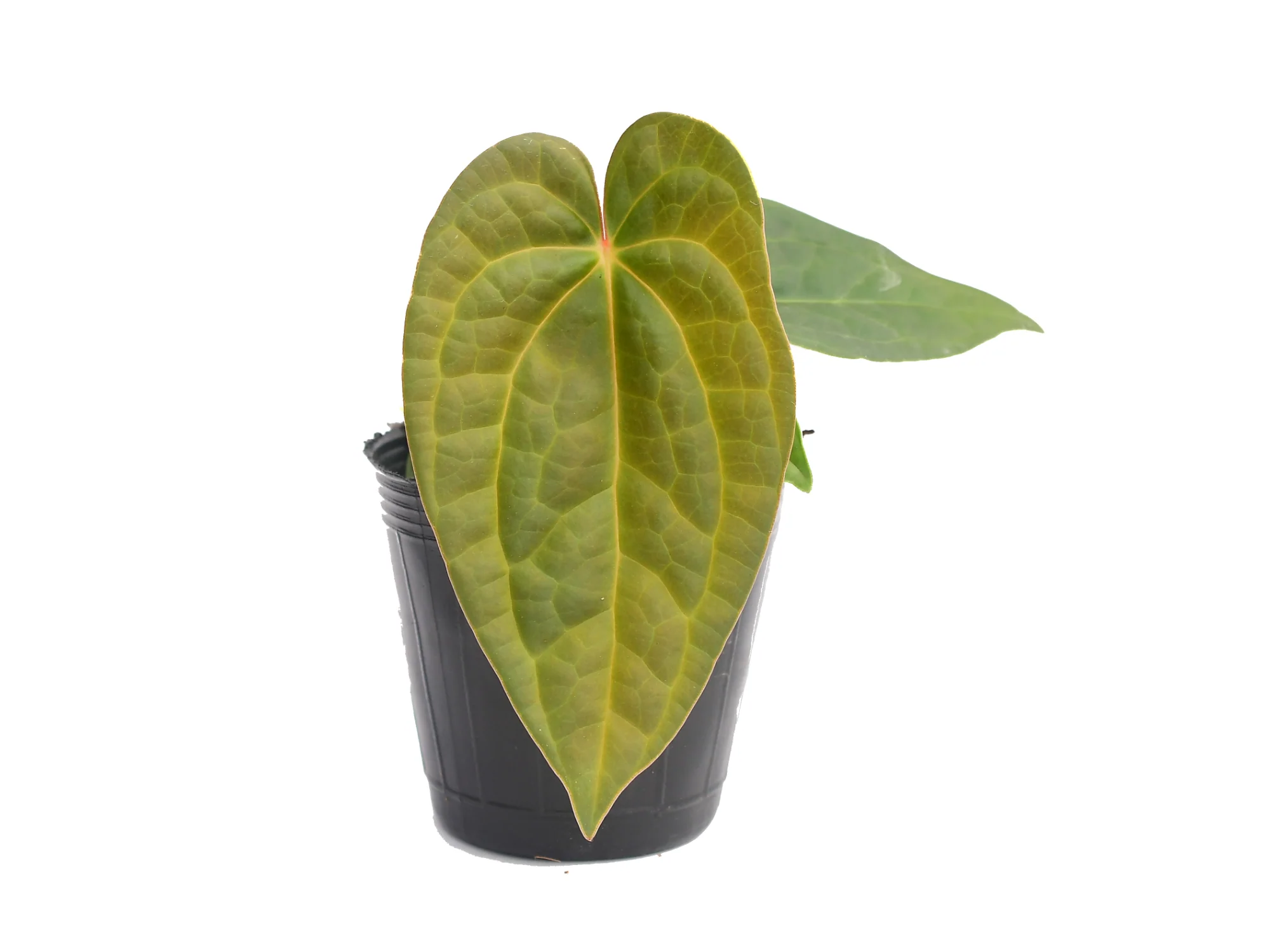
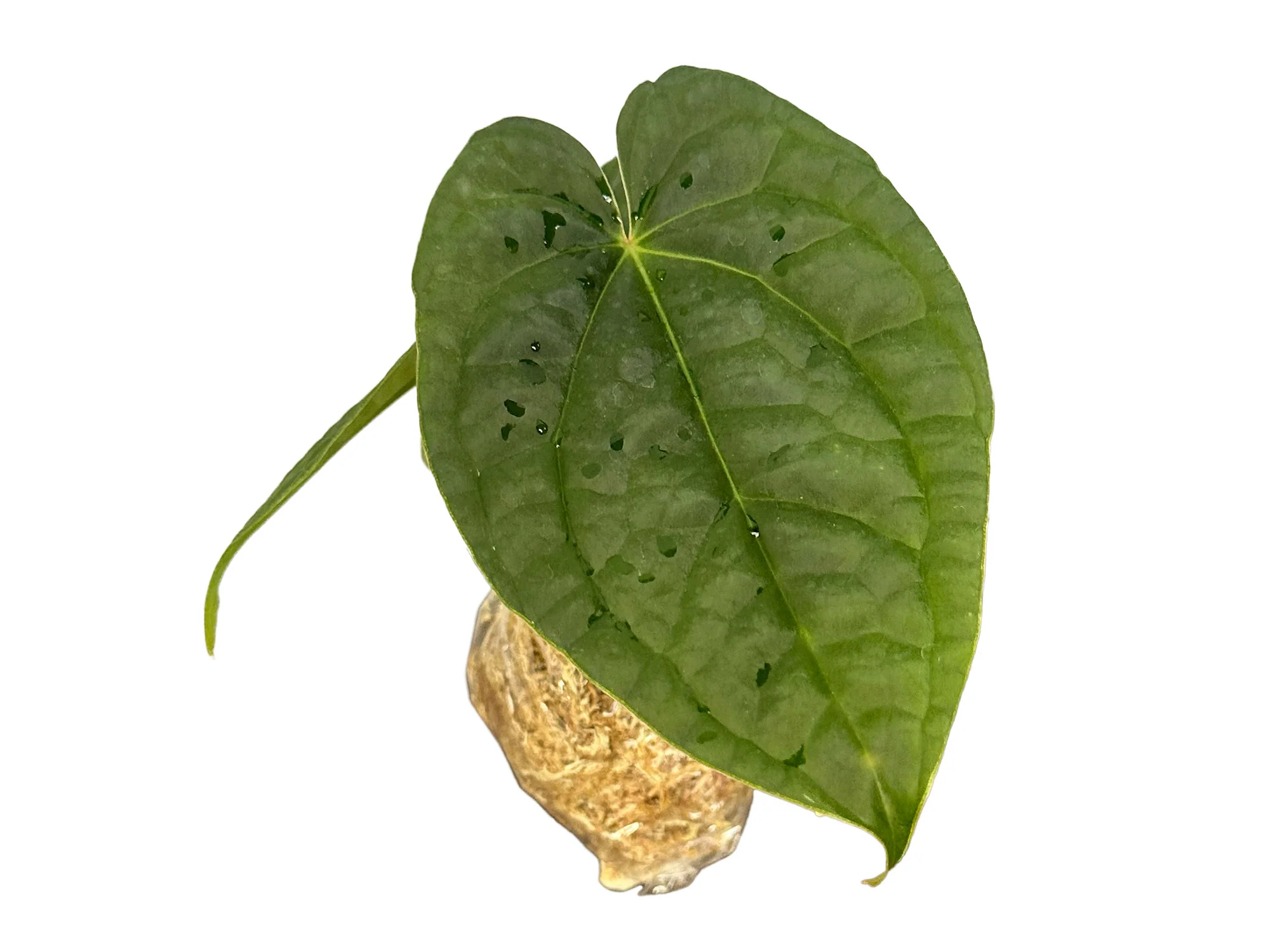
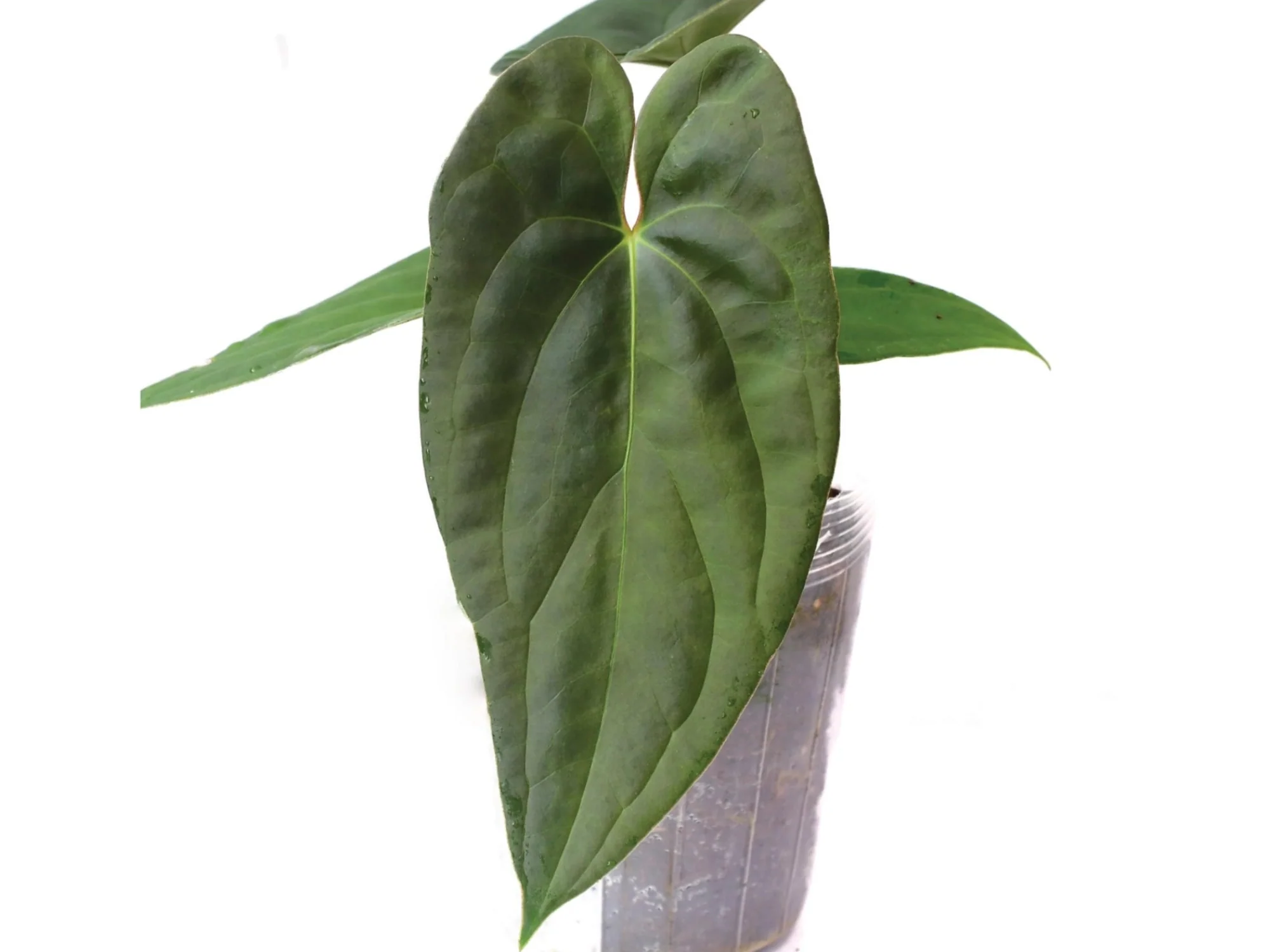
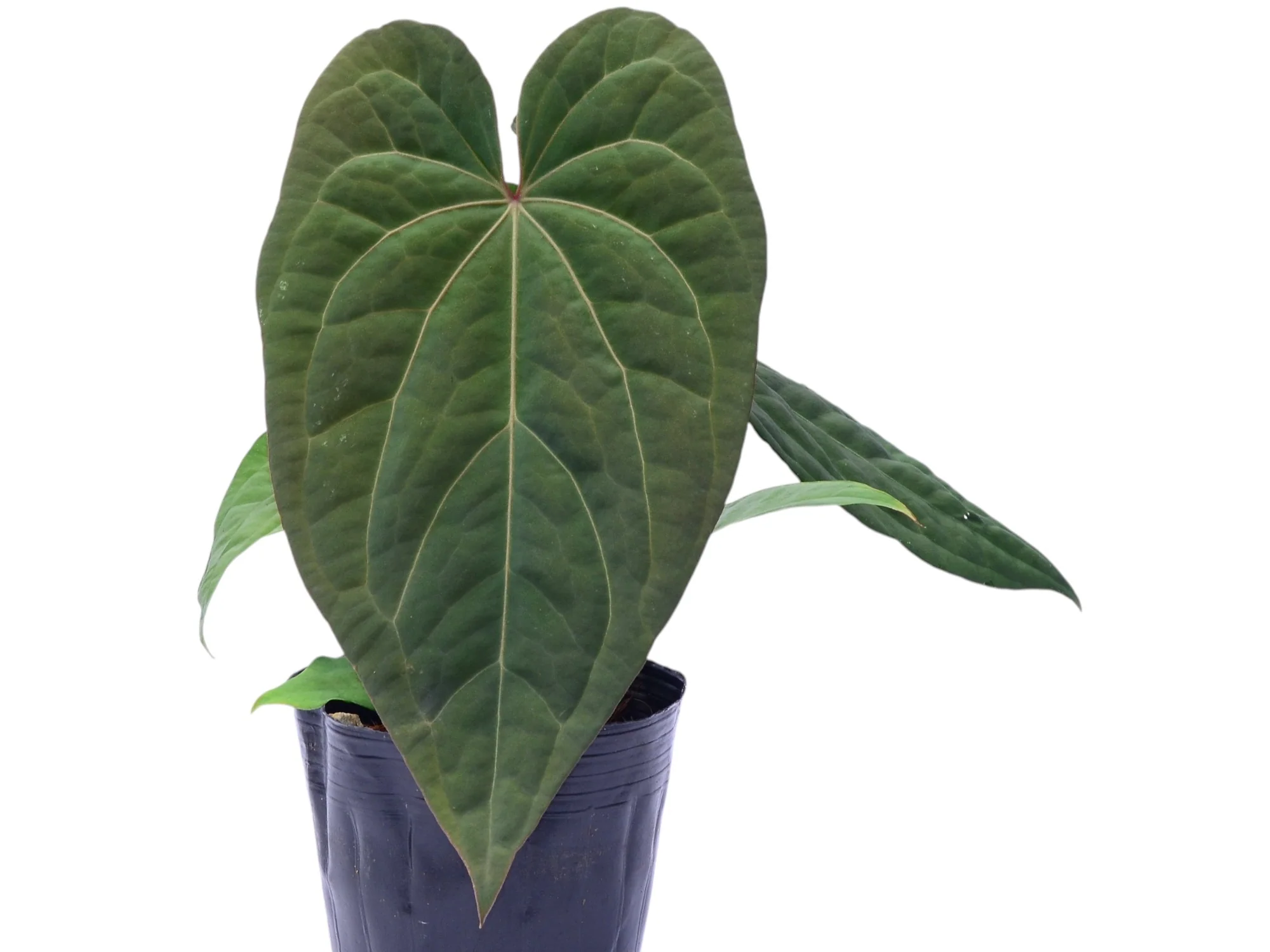
- Anthurium Black Anaconda is itself a hybrid, and is known for its very dark, almost black looking, elongated leaves, with a very shiny texture.
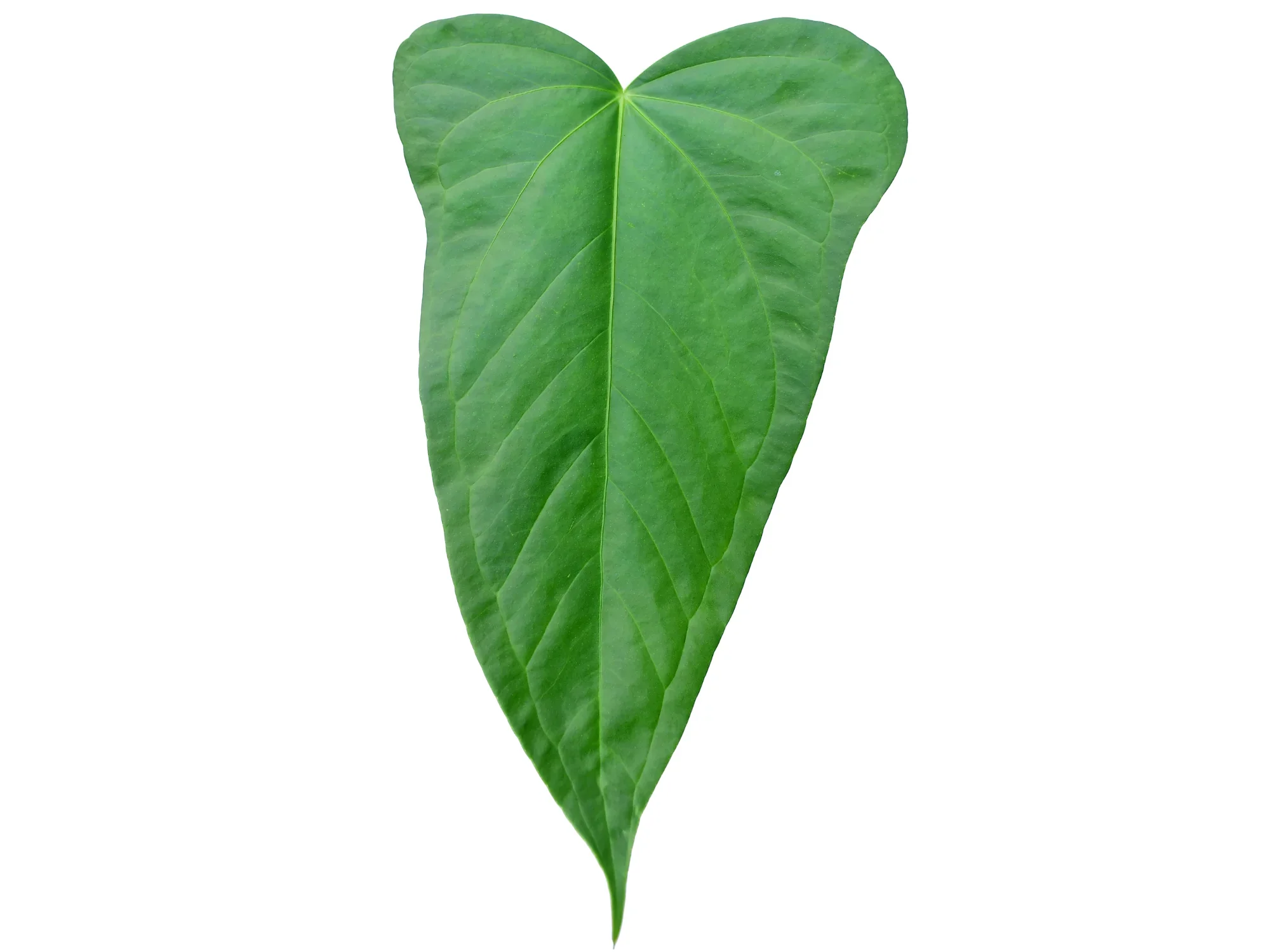
- Anthurium papillilaminum is known for its large, heart-shaped, velvety leaves that exhibit a deep olive-green hue.
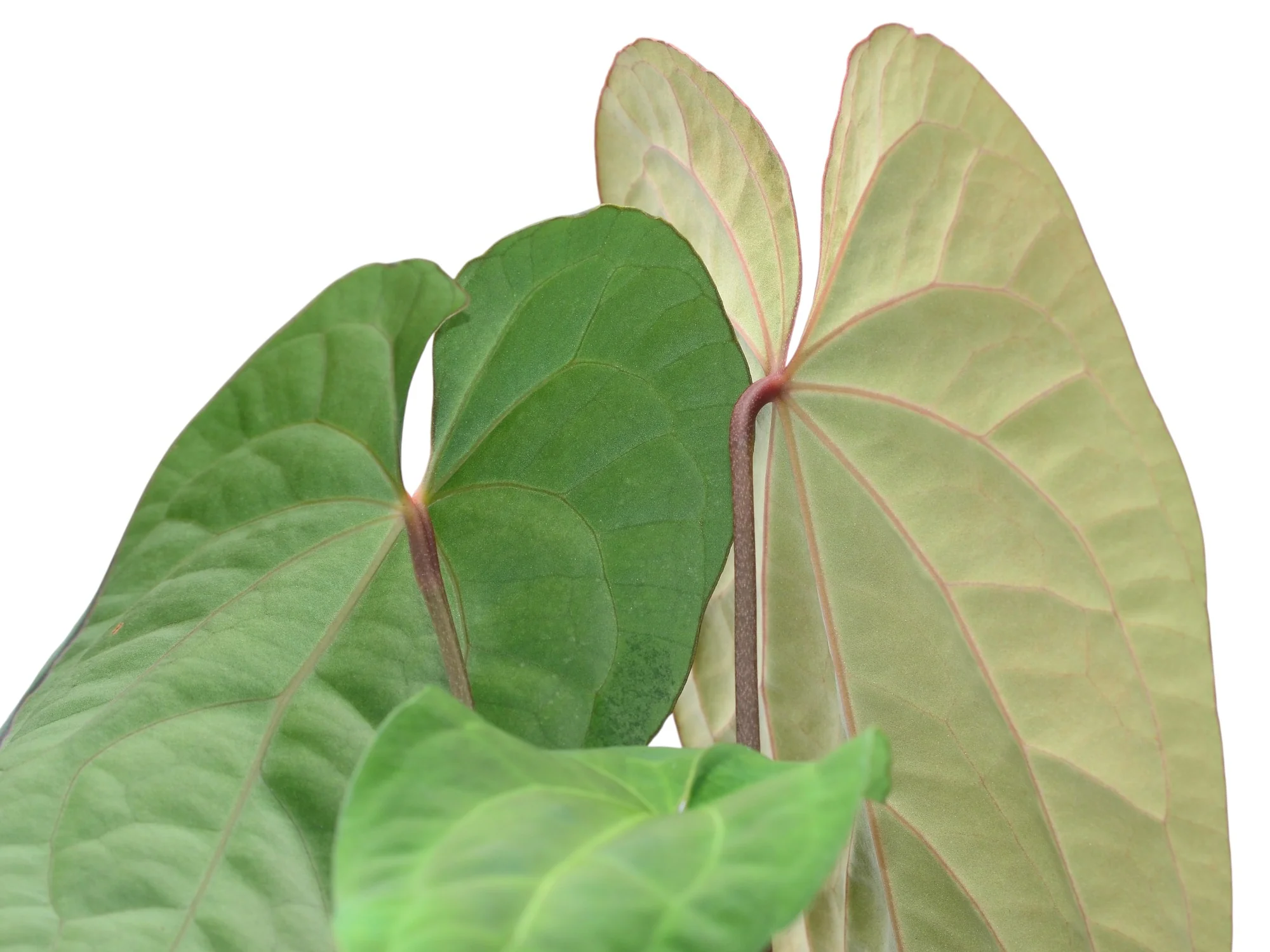
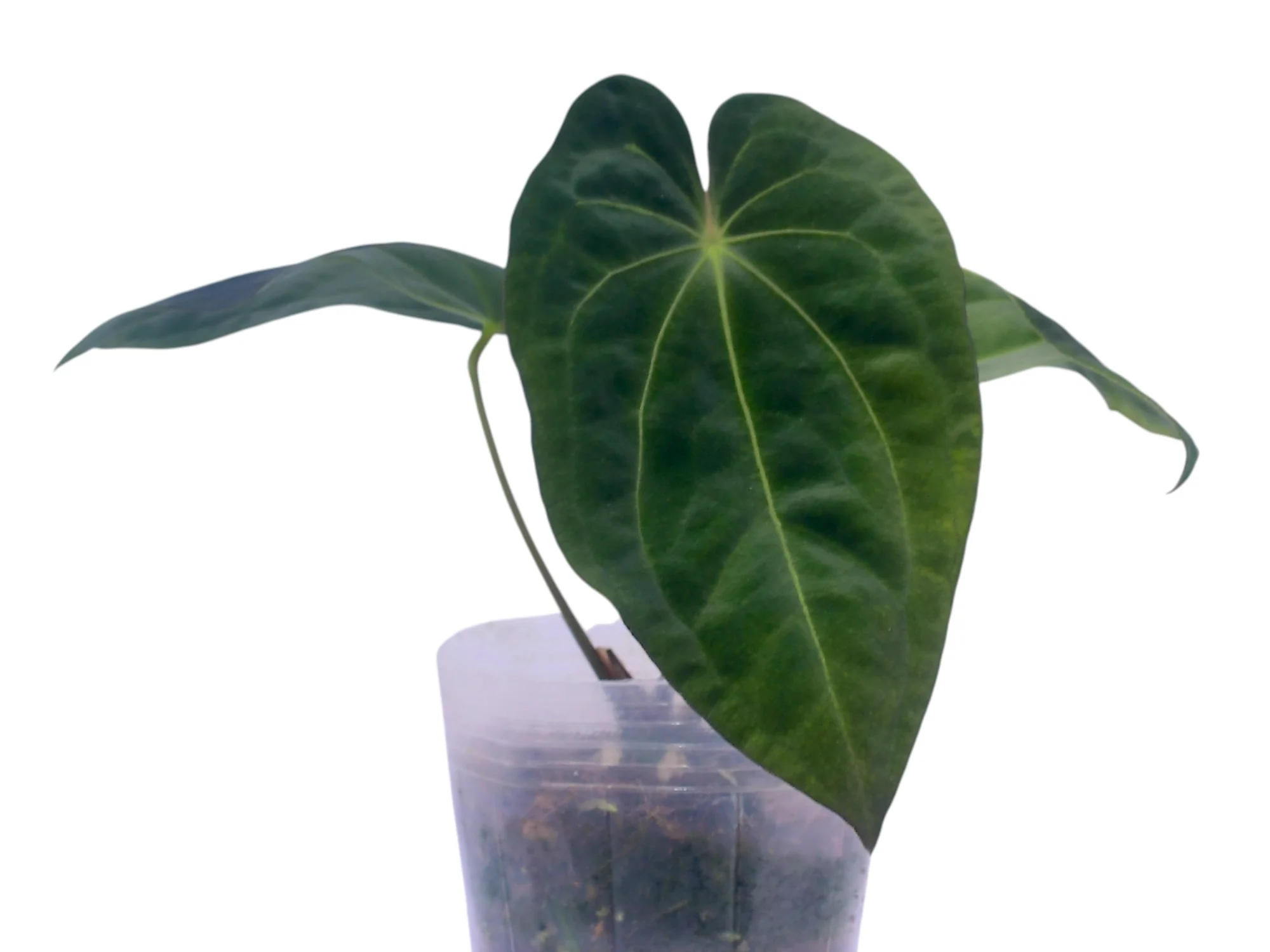
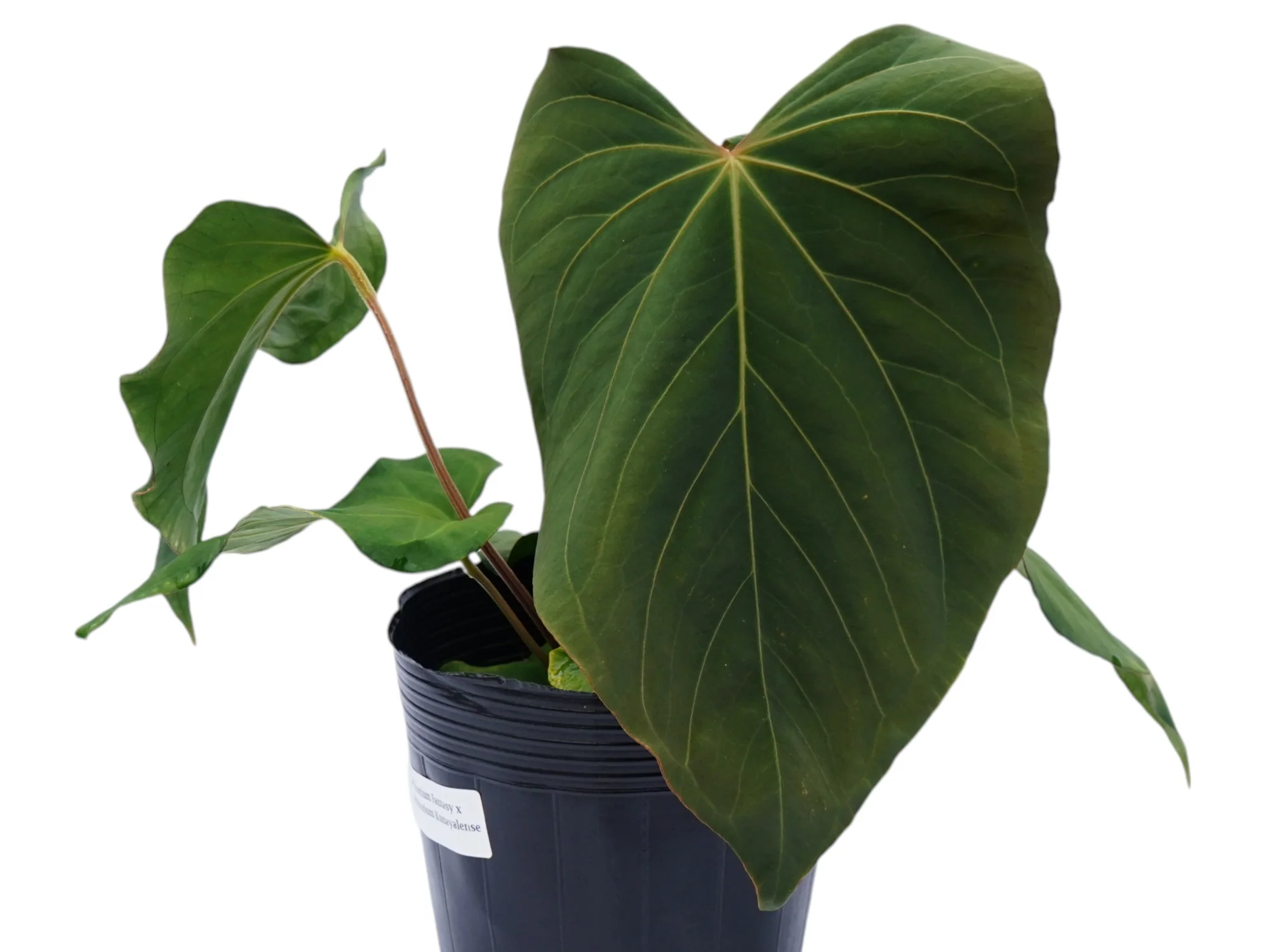
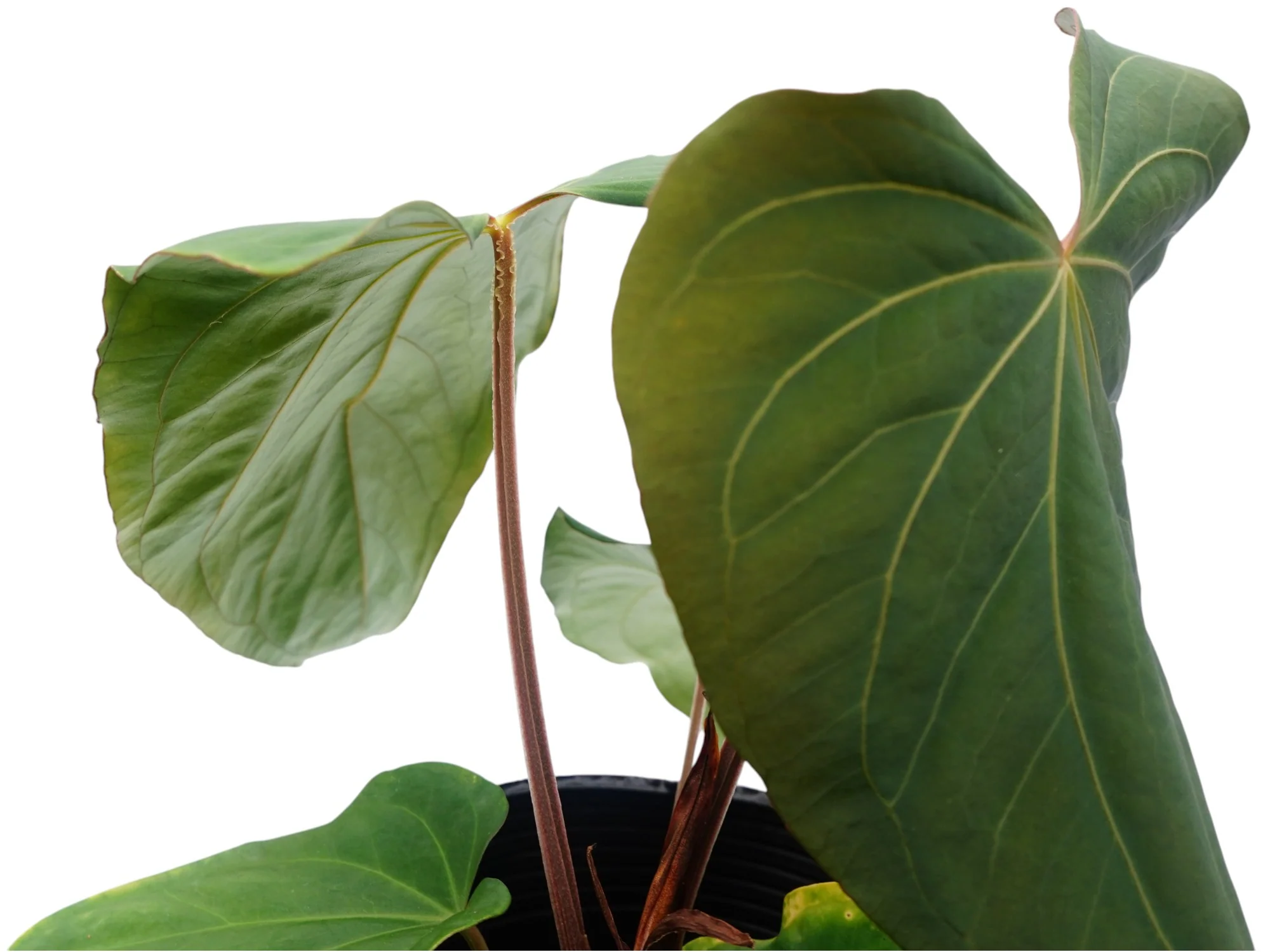
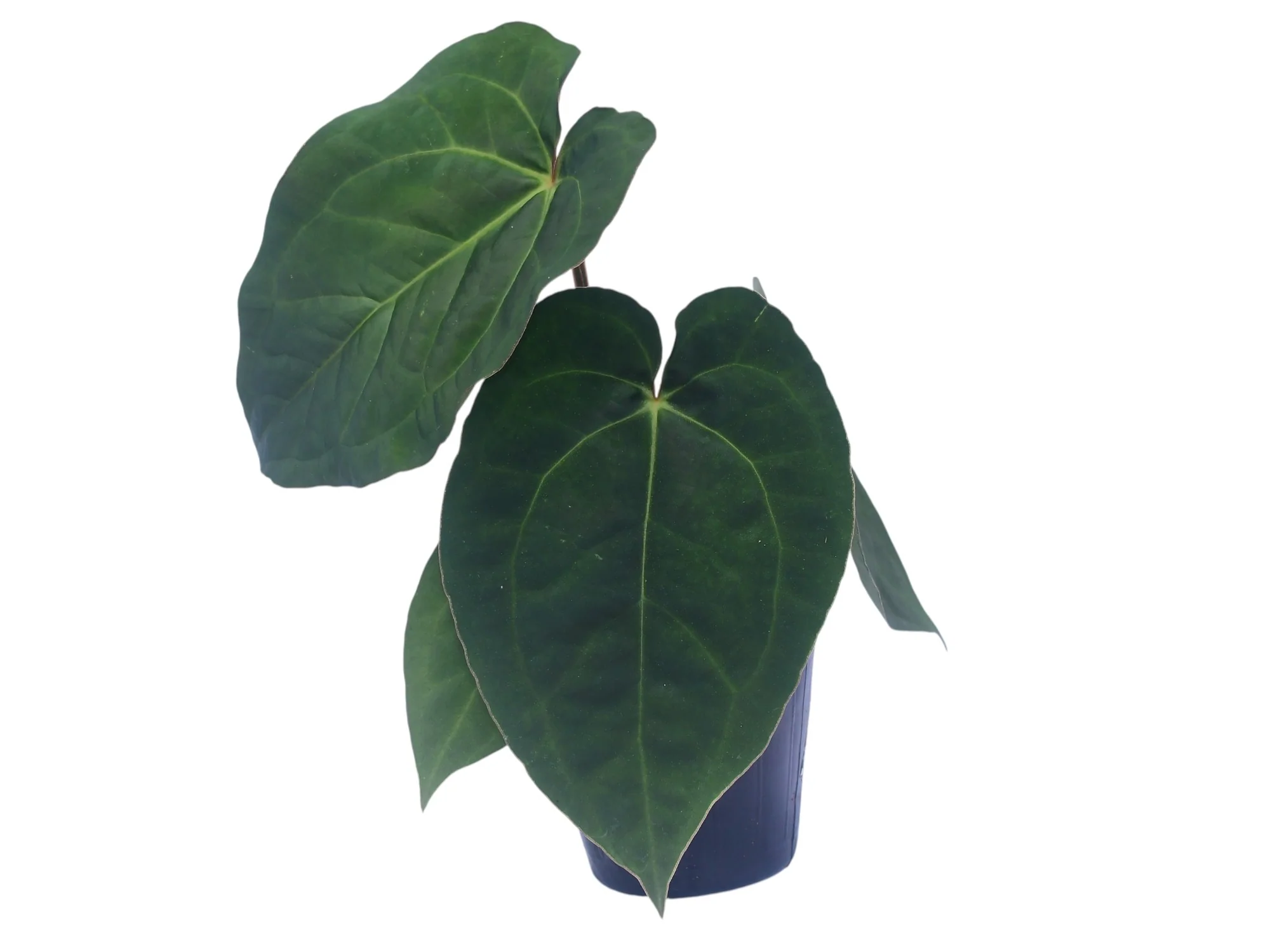
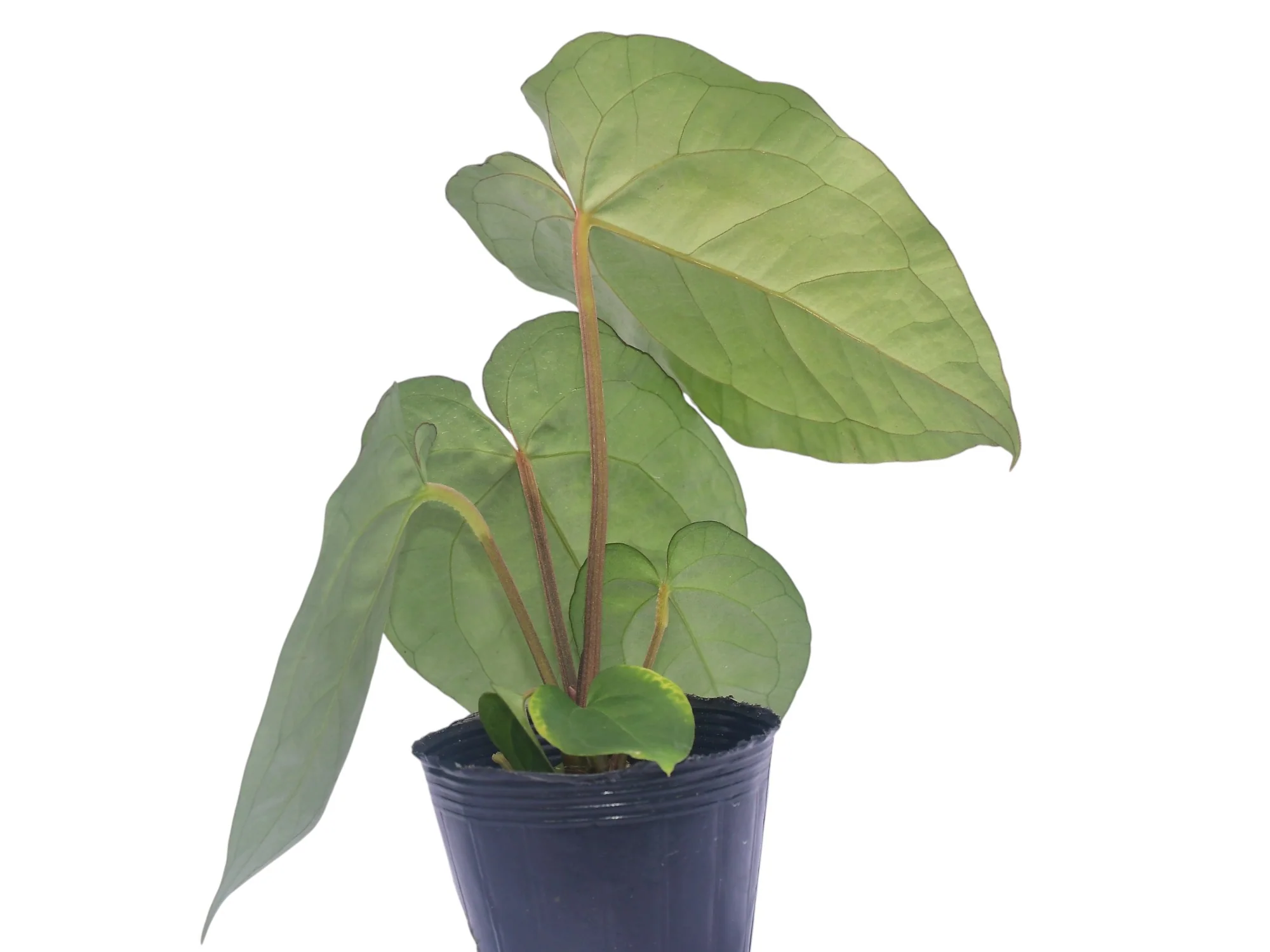
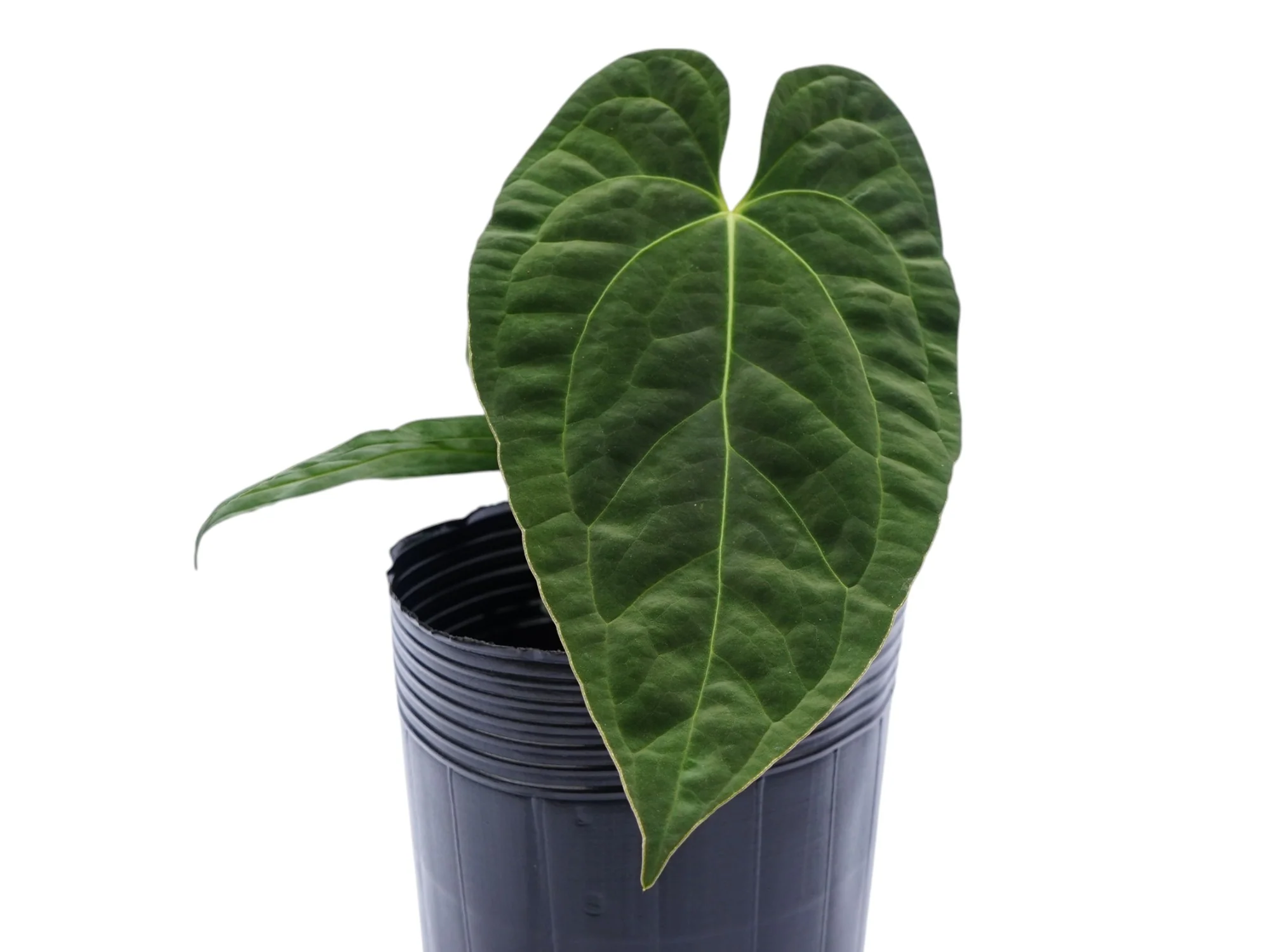
- The hybrid will likely exhibit a combination of its parent's characteristics, such as very dark, shiny or velvety leaves, and the heart shaped leaf from the papillilaminum.
- It is very important to remember that hybrid plants can vary greatly, from one to the next.
Anthurium Black Anaconda x Anth. papillilaminum Culture:
Successful cultivation of this Anthurium hybrid requires attention to the following aspects, based on the needs of its parent plants:
- Light: Prefers bright, indirect light. Avoid direct sunlight, which can scorch its leaves.
- Temperature: Thrives in warm, humid temperatures typical of tropical climates. Ideal temperatures range between 20°C and 30°C (68°F and 86°F).
- Humidity: Requires high ambient humidity. The use of humidifiers, frequent misting, or cultivation in terrariums may be necessary.
- Watering: Keep the substrate consistently moist, but not waterlogged. Ensure good drainage to prevent root rot.
- Substrate: Use a very well-draining, airy substrate, rich in organic material.
Additional Notes:
- Anthurium Black Anaconda is itself a hybrid, and is known for its very dark, almost black looking, elongated leaves, with a very shiny texture.
- Anthurium papillilaminum is known for its large, heart-shaped, velvety leaves that exhibit a deep olive-green hue.
- The hybrid will likely exhibit a combination of its parent's characteristics, such as very dark, shiny or velvety leaves, and the heart shaped leaf from the papillilaminum.
- It is very important to remember that hybrid plants can vary greatly, from one to the next.
$22.40
Original: $64.00
-65%Anthurium Anaikolra Papillon—
$64.00
$22.40Description
Anthurium Black Anaconda x Anth. papillilaminum Culture:
Successful cultivation of this Anthurium hybrid requires attention to the following aspects, based on the needs of its parent plants:
- Light: Prefers bright, indirect light. Avoid direct sunlight, which can scorch its leaves.
- Temperature: Thrives in warm, humid temperatures typical of tropical climates. Ideal temperatures range between 20°C and 30°C (68°F and 86°F).
- Humidity: Requires high ambient humidity. The use of humidifiers, frequent misting, or cultivation in terrariums may be necessary.
- Watering: Keep the substrate consistently moist, but not waterlogged. Ensure good drainage to prevent root rot.
- Substrate: Use a very well-draining, airy substrate, rich in organic material.
Additional Notes:
- Anthurium Black Anaconda is itself a hybrid, and is known for its very dark, almost black looking, elongated leaves, with a very shiny texture.
- Anthurium papillilaminum is known for its large, heart-shaped, velvety leaves that exhibit a deep olive-green hue.
- The hybrid will likely exhibit a combination of its parent's characteristics, such as very dark, shiny or velvety leaves, and the heart shaped leaf from the papillilaminum.
- It is very important to remember that hybrid plants can vary greatly, from one to the next.